GILET RANGE

Filters
Sort by

A gilet is a sleeveless jacket that warms your core while leaving your arms free, and the Duck Apparel gilet range covers the brand's down filled gilets for shoppers in Australia. It is the piece to reach for in autumn and spring, on mild winter days, and as an extra layer under a coat when the temperature drops further. For anyone who finds a full parka too much for most of the year, a gilet is the more practical everyday answer.

What is a gilet and why do people wear one?

A gilet, also called a vest or a body warmer, is built on a simple idea. Most of the heat your body needs to hold sits around the torso, so warming the core while leaving the arms uncovered gives you warmth without bulk. That makes a gilet easy to move in, easy to drive in, and easy to keep on indoors when a jacket would be too warm. It also layers well, which is the main reason it earns a place next to heavier outerwear rather than replacing it.

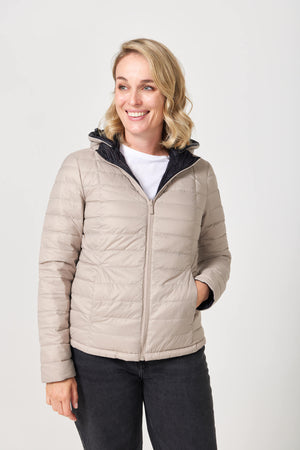
Duck Apparel gilets are down filled, in line with the rest of the brand's outerwear since it started in South Africa in 2017. Down traps air, which is why a gilet can be light and still noticeably warm, and why it packs down small enough to keep in a bag or the back of a car. The Sage Longline Gilet is an example of the longer cut, which extends past the hip and covers more of the body than a standard vest.

When should you wear a gilet in Australia?

A gilet covers the shoulder seasons in Australia better than any other single piece. Autumn from March to May and spring from September to November are its natural home in Melbourne, Sydney and Adelaide, where mornings are cold and afternoons are not. Through winter, which runs June to August, a gilet works on its own in Brisbane and the warmer north and works as a mid layer under a coat in Canberra, Tasmania and the alpine regions. It is also the layer that travels well, because it takes up little room and adds warmth to whatever else you packed.

How do you choose a gilet?

The two decisions that matter are length and how you plan to wear it. A hip length gilet is the tidier option under a coat and is easier to sit and drive in, and the hip length outerwear collection shows how that cut sits across the wider range. A longer cut covers more of the body and reads more like a coat when worn on its own, which is what the longline gilet collection is built around. Fit follows the same logic as the rest of the range. If the gilet is a standalone piece, size for a shirt or a light knit underneath. If it is a mid layer, leave room in the body so a coat still closes over it. Shoppers who want to see which Duck Apparel pieces get bought most often can compare against the best selling Duck Apparel styles before deciding.

Frequently Asked Questions

What is a gilet?

A gilet is a sleeveless jacket that covers the torso and leaves the arms bare, also known as a vest or a body warmer. Duck Apparel gilets are down filled, so they hold warmth by trapping air in the same way the brand's parkas and puffers do. The point of the shape is warmth around the core without the bulk of sleeves.

When should you wear a gilet instead of a jacket?

Wear a gilet instead of a jacket when your arms do not need covering and your core does, which describes most of autumn and spring in Australia. It is the better choice when you are moving a lot, driving, or going in and out of heated buildings. Switch to a full jacket or parka once the wind and the temperature start reaching your arms, which in the southern states usually happens from June.

Is a gilet warm enough for winter in Australia?

A gilet is warm enough for winter on its own in Brisbane and the warmer parts of Australia, but it works as a mid layer rather than a standalone piece further south. In Melbourne, Canberra, Tasmania and the alpine regions between June and August, wear it under a coat for an extra layer of warmth. Worn that way it adds core warmth without adding sleeve bulk under the coat.

What is the difference between a longline gilet and a standard gilet?

A longline gilet extends past the hip and covers more of the body, while a standard gilet finishes around the hip. The longer cut reads more like a coat when worn on its own and gives more coverage when you are standing outdoors. The shorter cut is easier to layer under another jacket and easier to sit and drive in.

What do you wear under a gilet?

A long sleeve top, a shirt or a knit is the usual layer under a gilet, depending on how cold it is. In autumn and spring a light long sleeve is normally enough. In colder months a heavier knit under the gilet, or the gilet under a coat, is the more reliable combination.

How should a gilet fit?

A gilet should fit close enough not to flap but loose enough to close over a knit. If it is going to be worn as a standalone piece, size for a shirt or a light jumper underneath. If it is going to be worn as a mid layer under a coat, allow a little more room in the body so the coat still closes over the top.

Who does a gilet suit?

A gilet suits people who spend the day moving between indoors and outdoors and do not want a full coat on all the time. That covers school runs, dog walking, weekend sport on the sideline, and driving between jobs. It also suits travellers in Australia, since it packs down small and adds warmth to a bag without taking the space a parka would.