RAINWEAR

Filters
Sort by

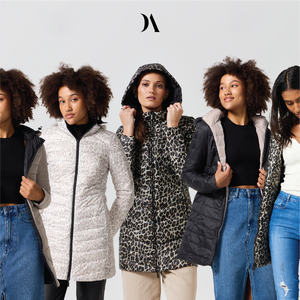
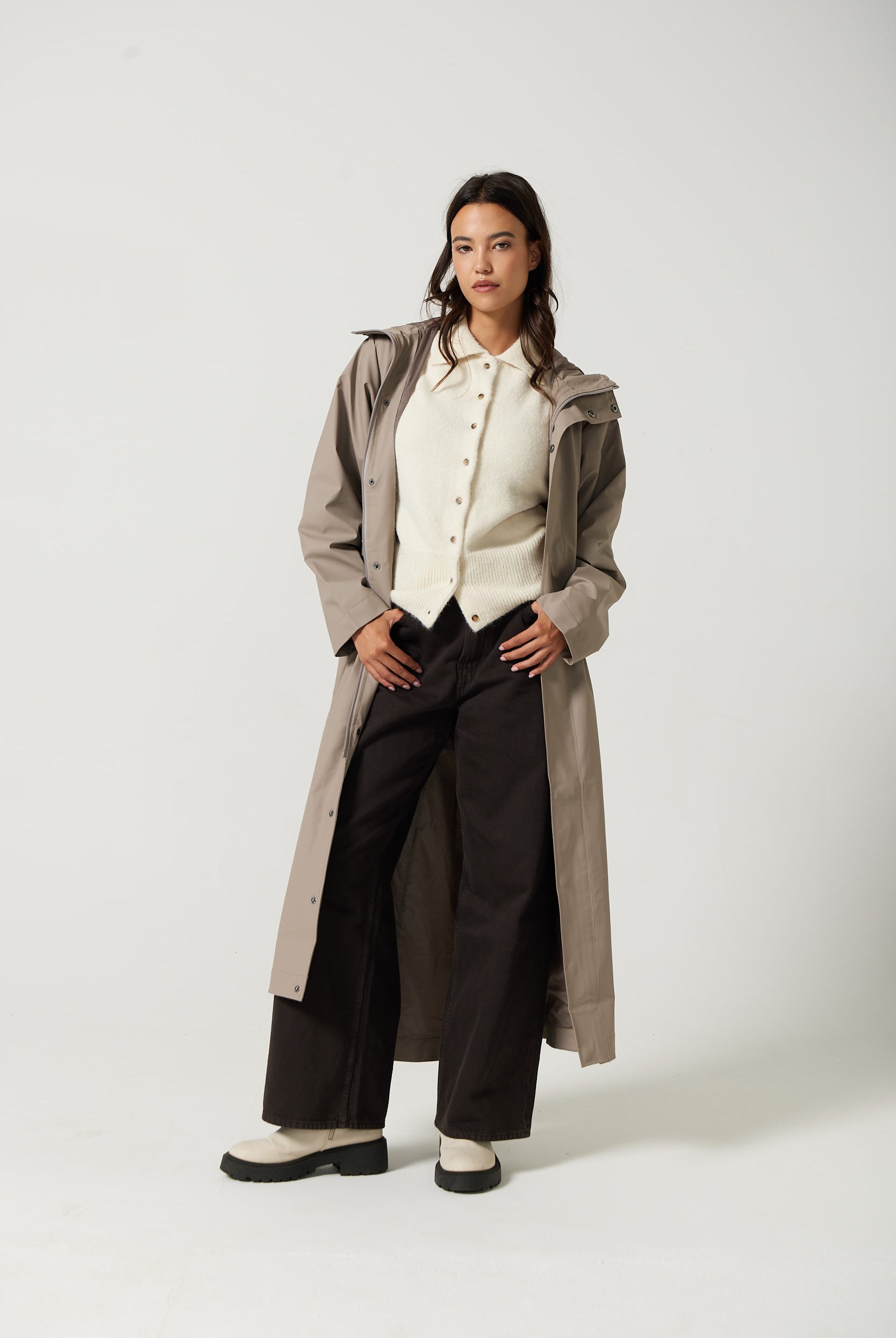
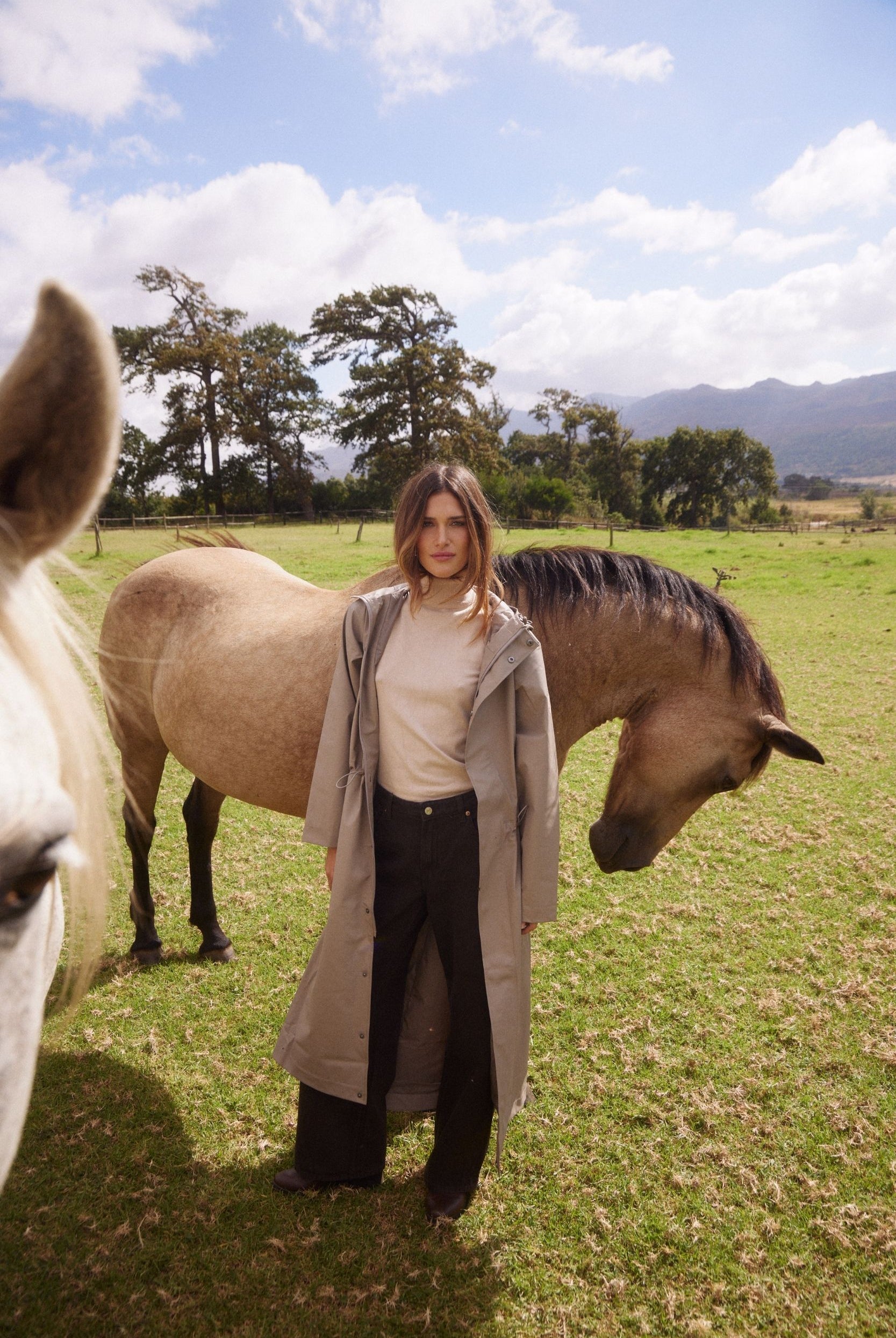
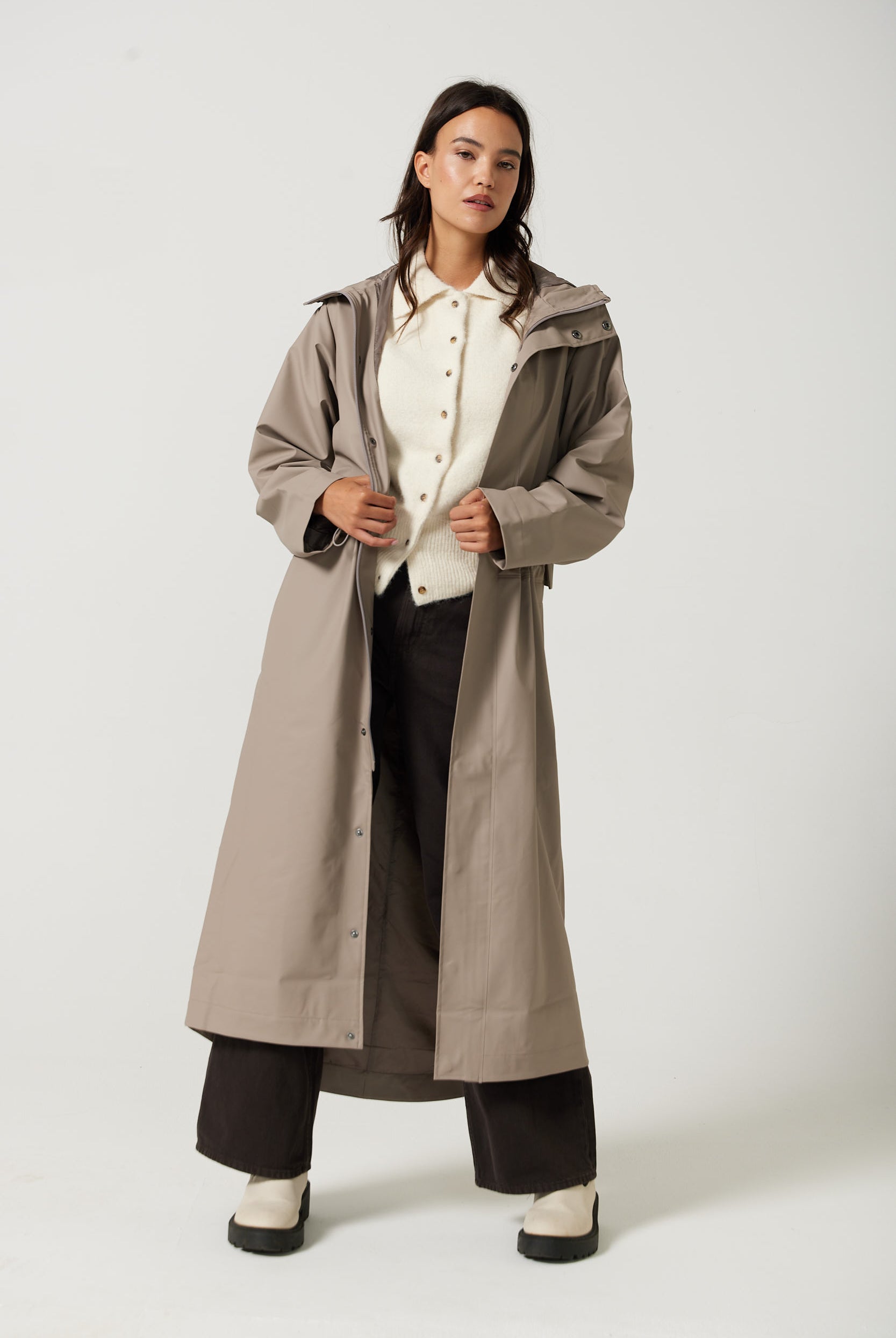
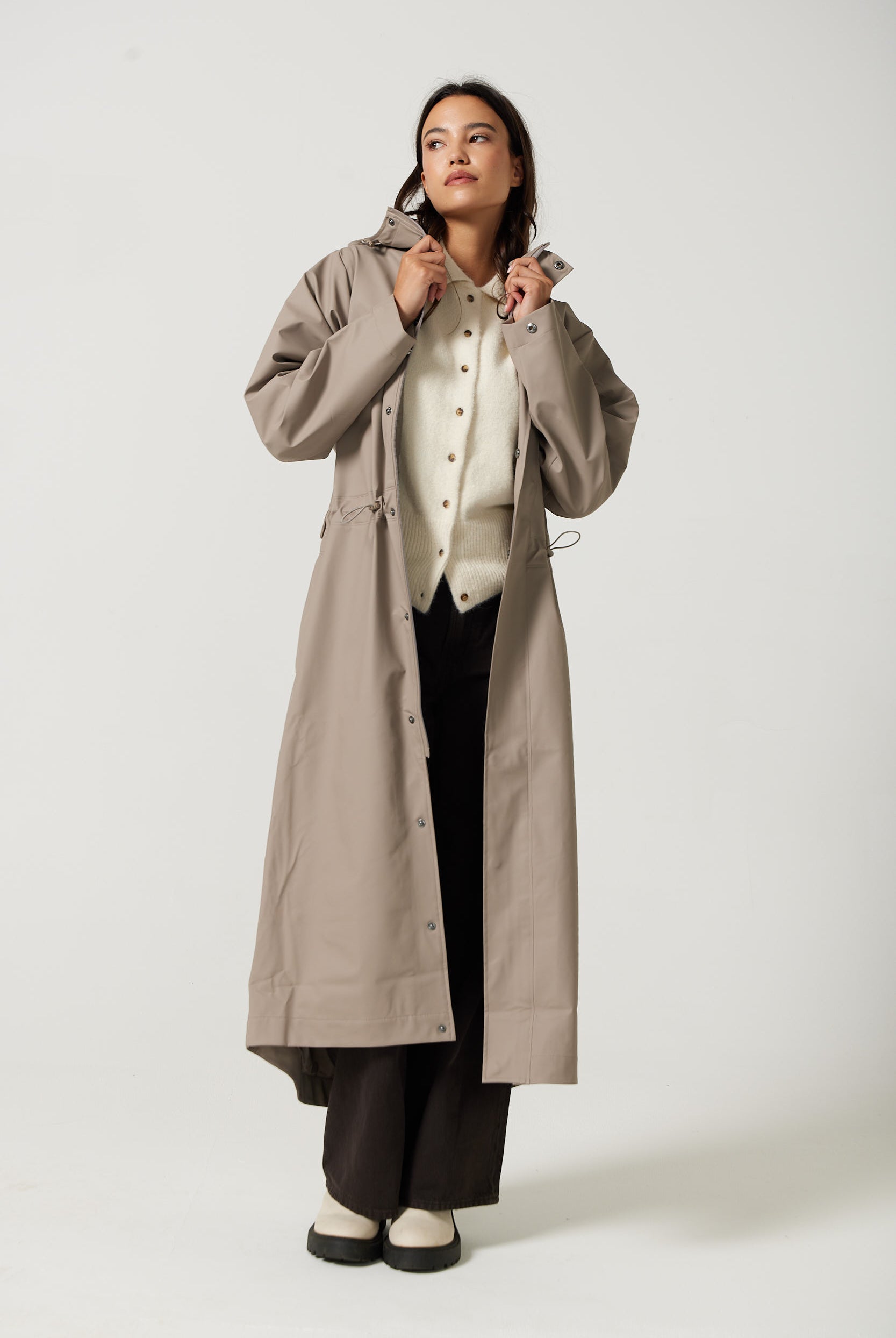
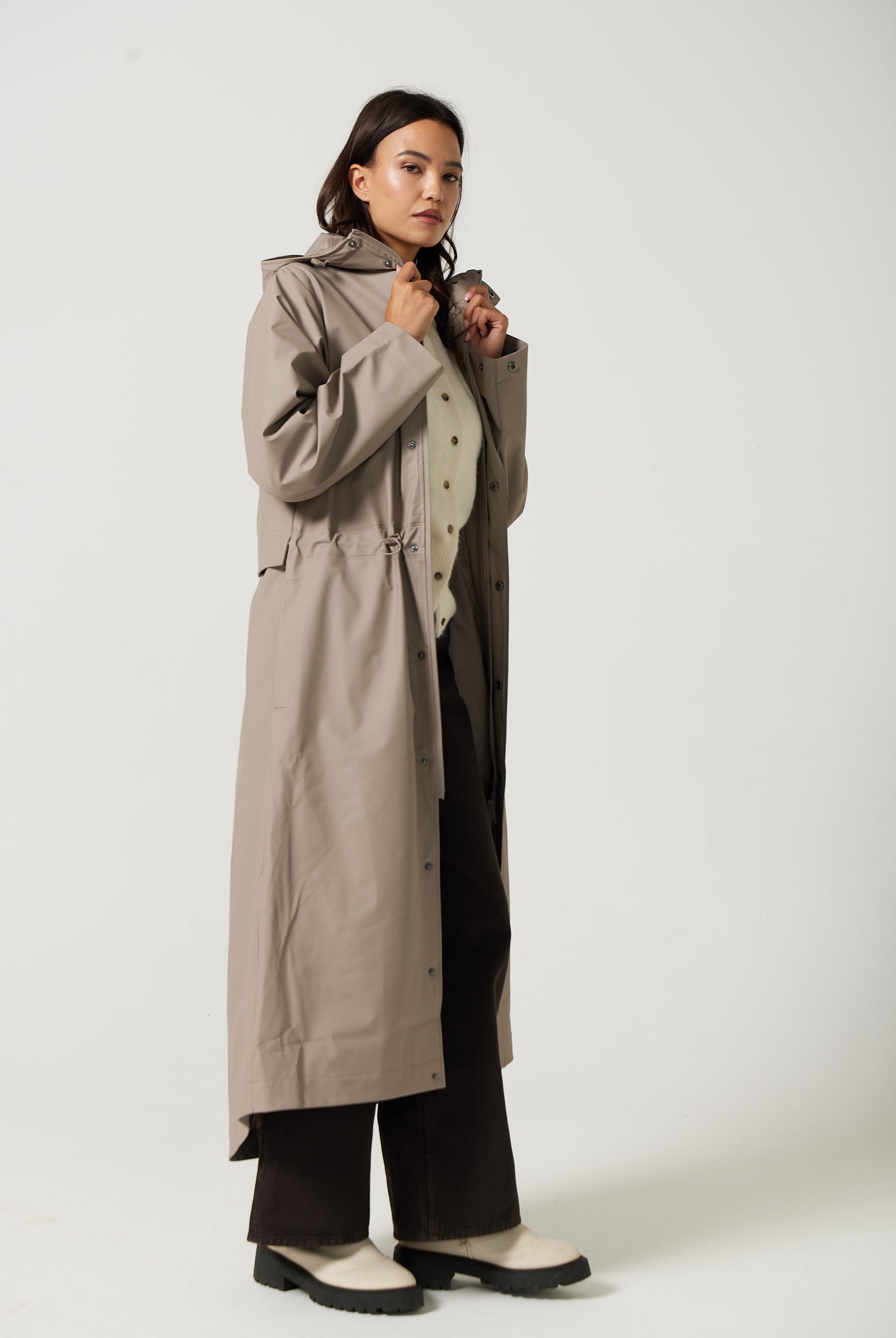
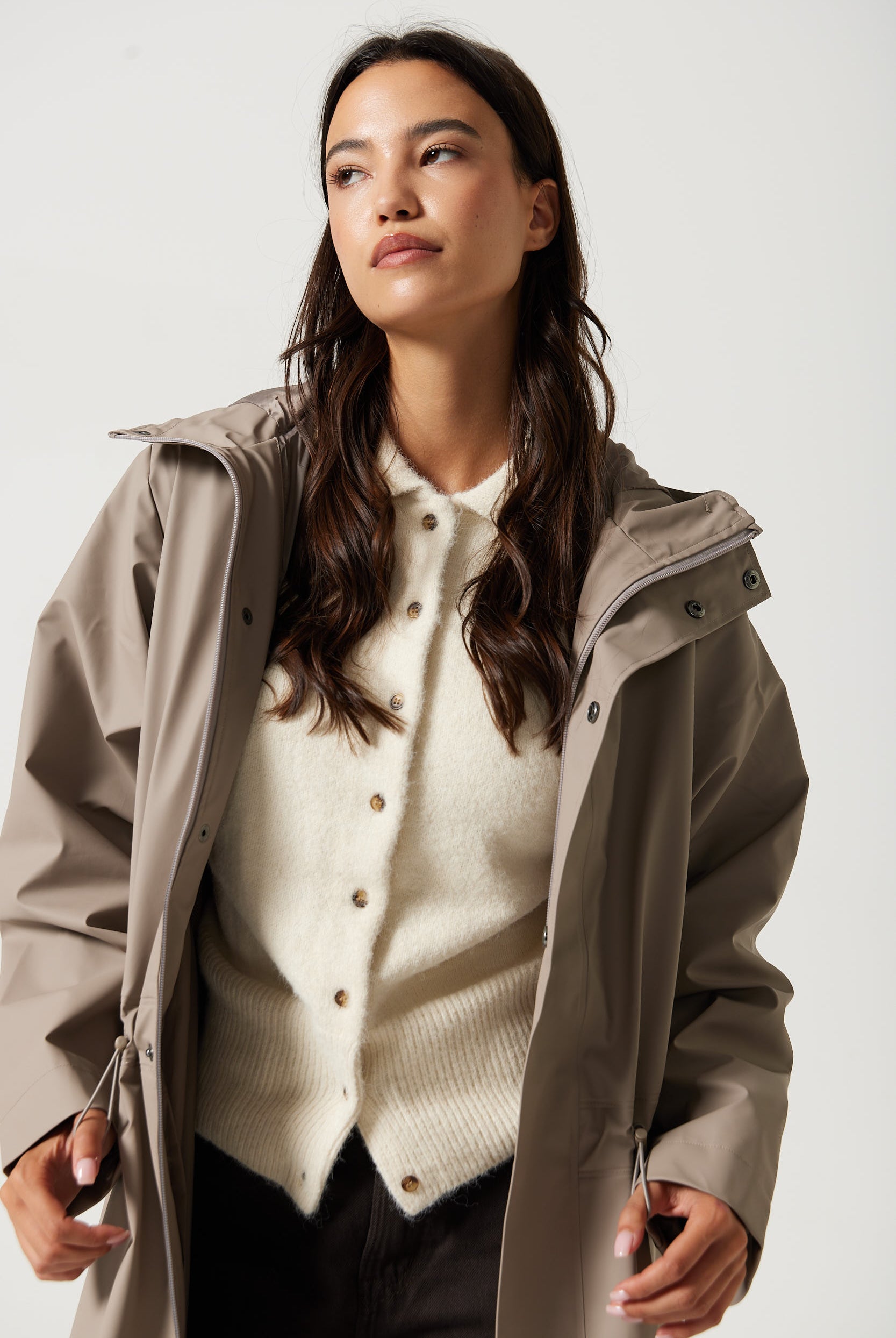
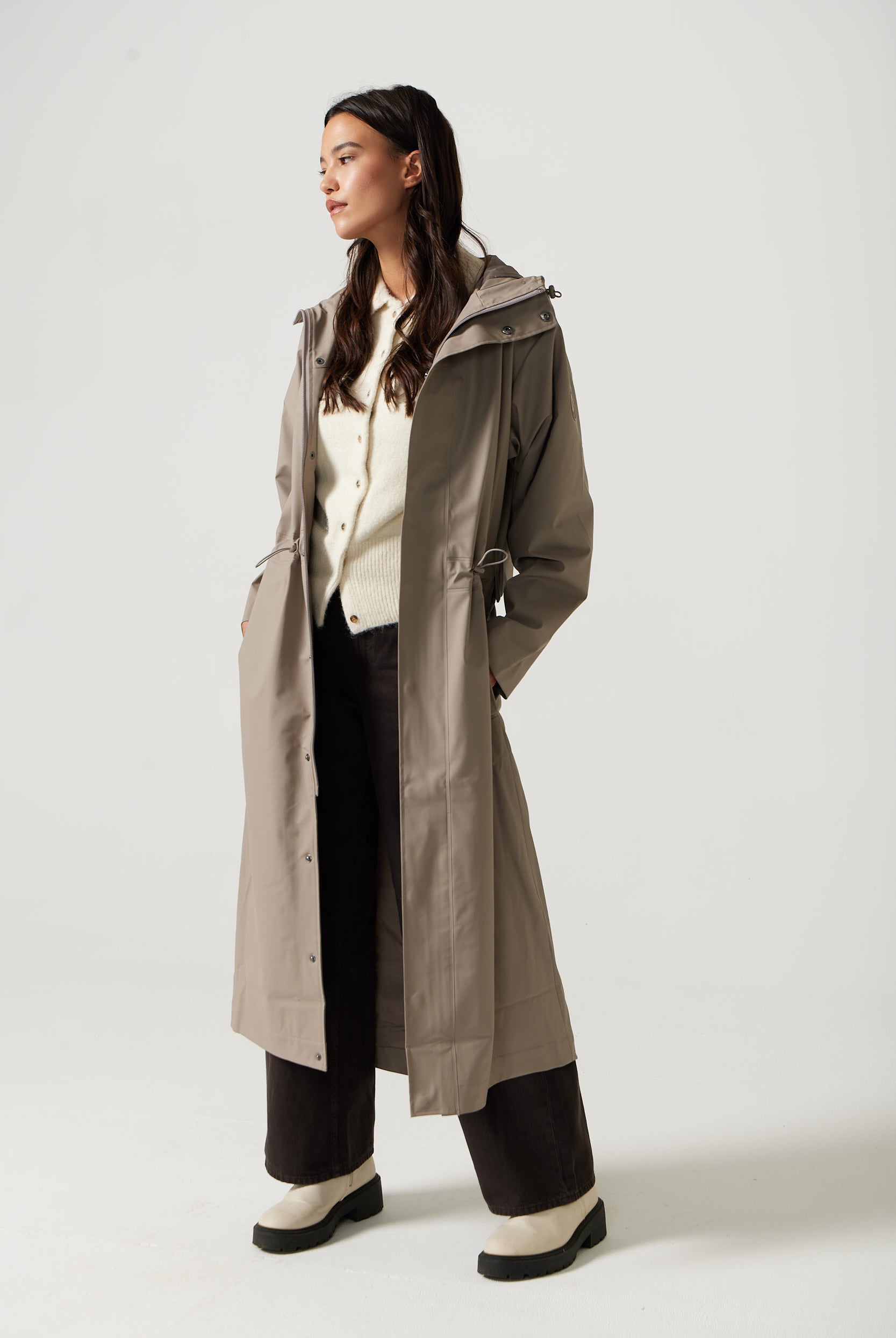
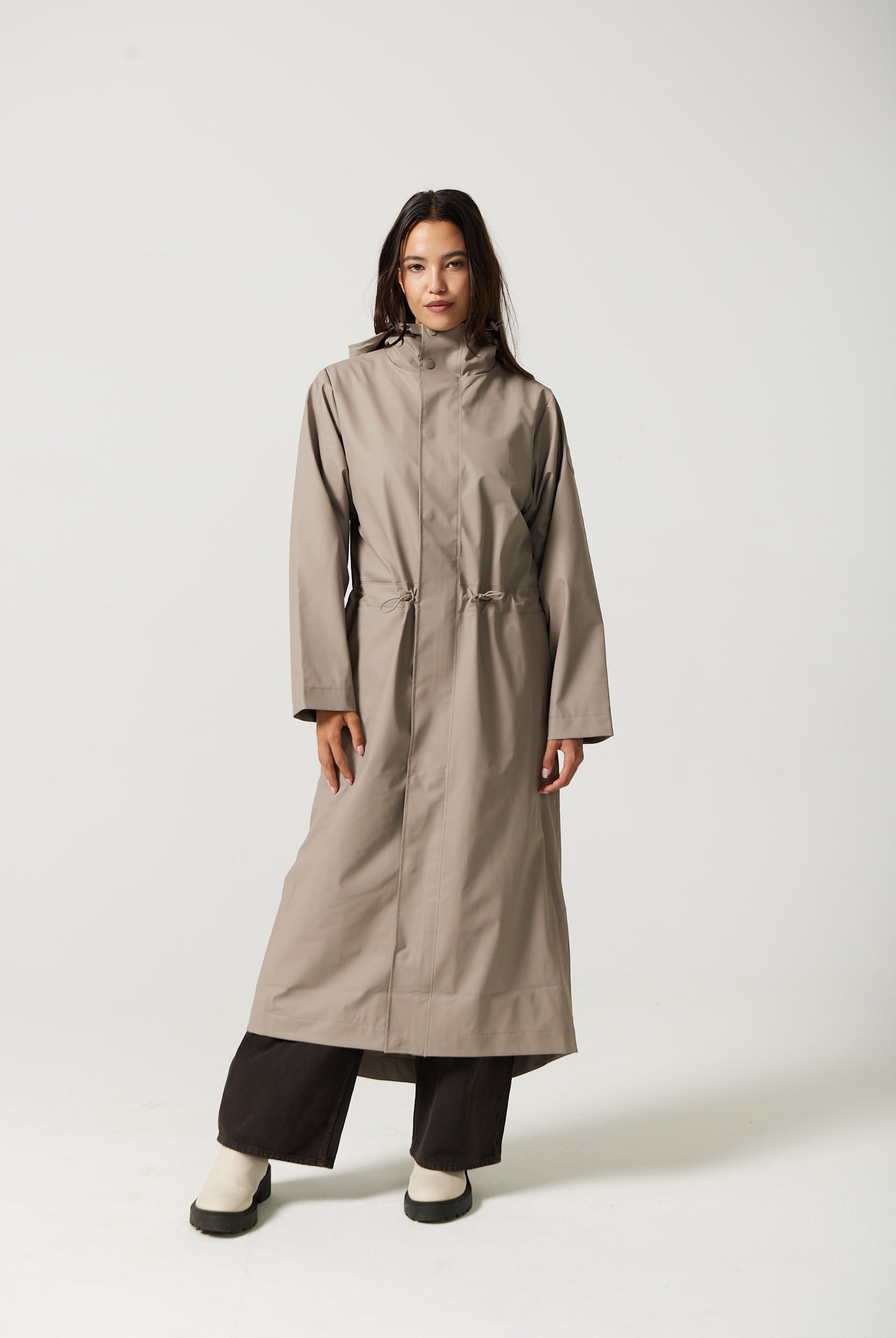
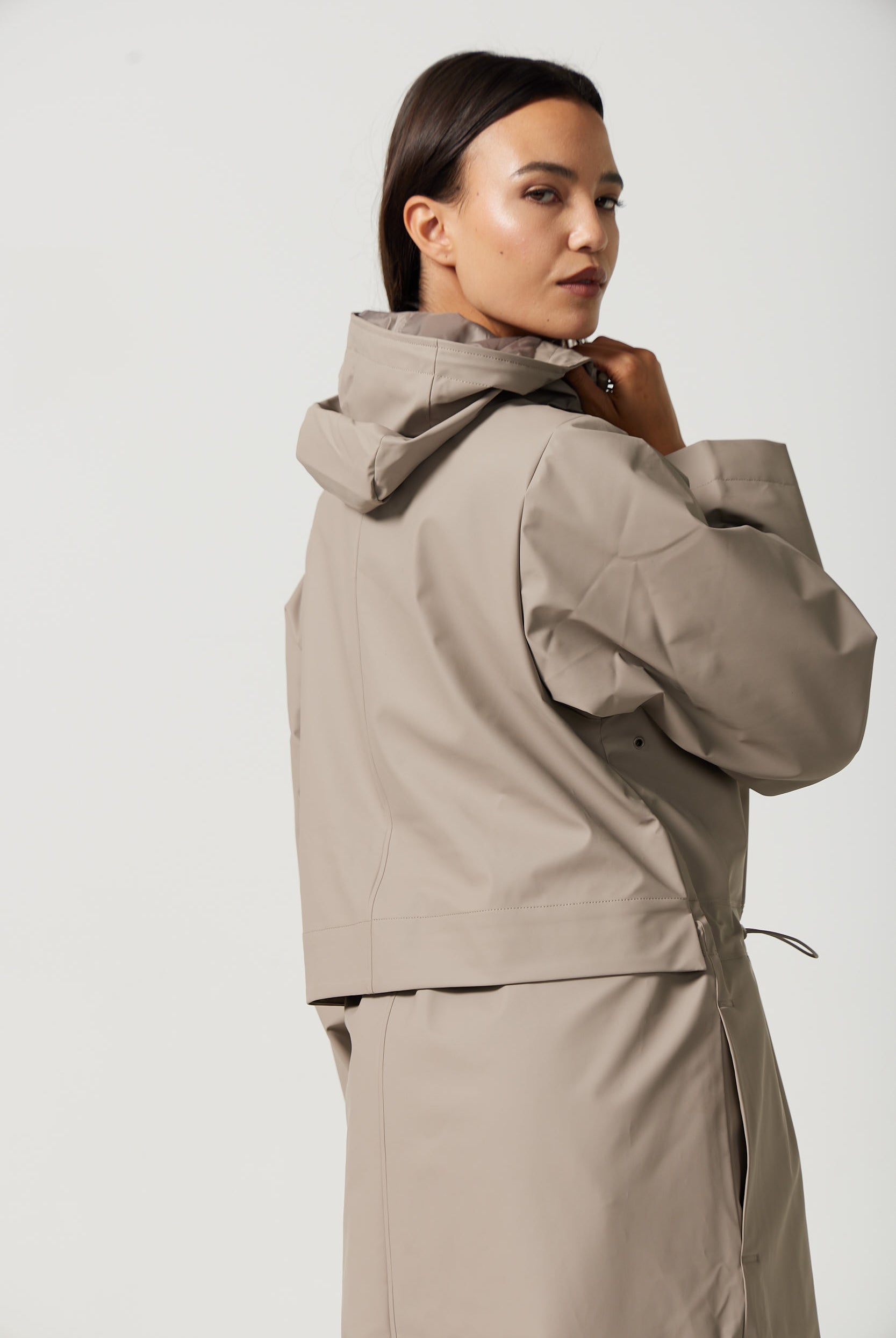
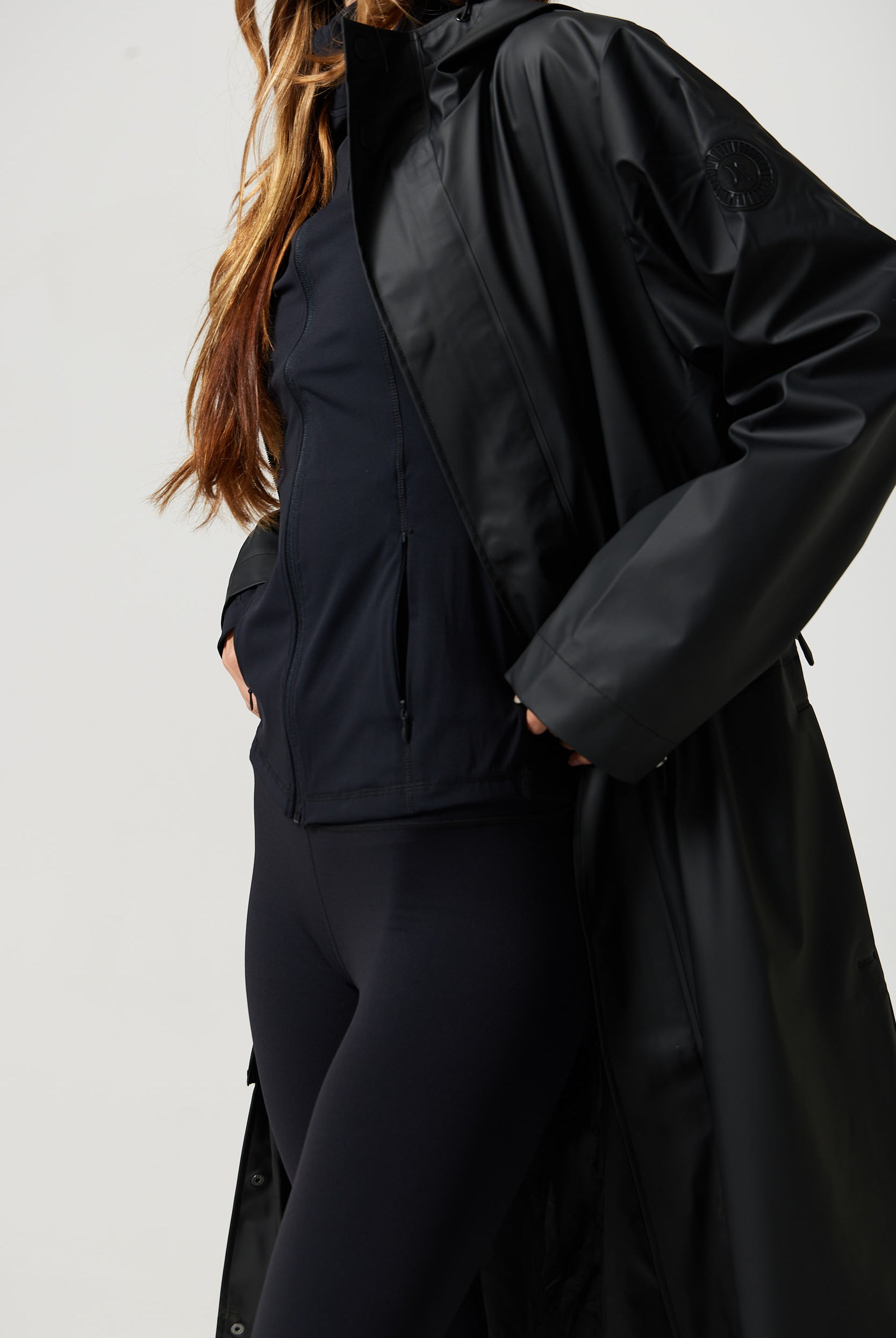
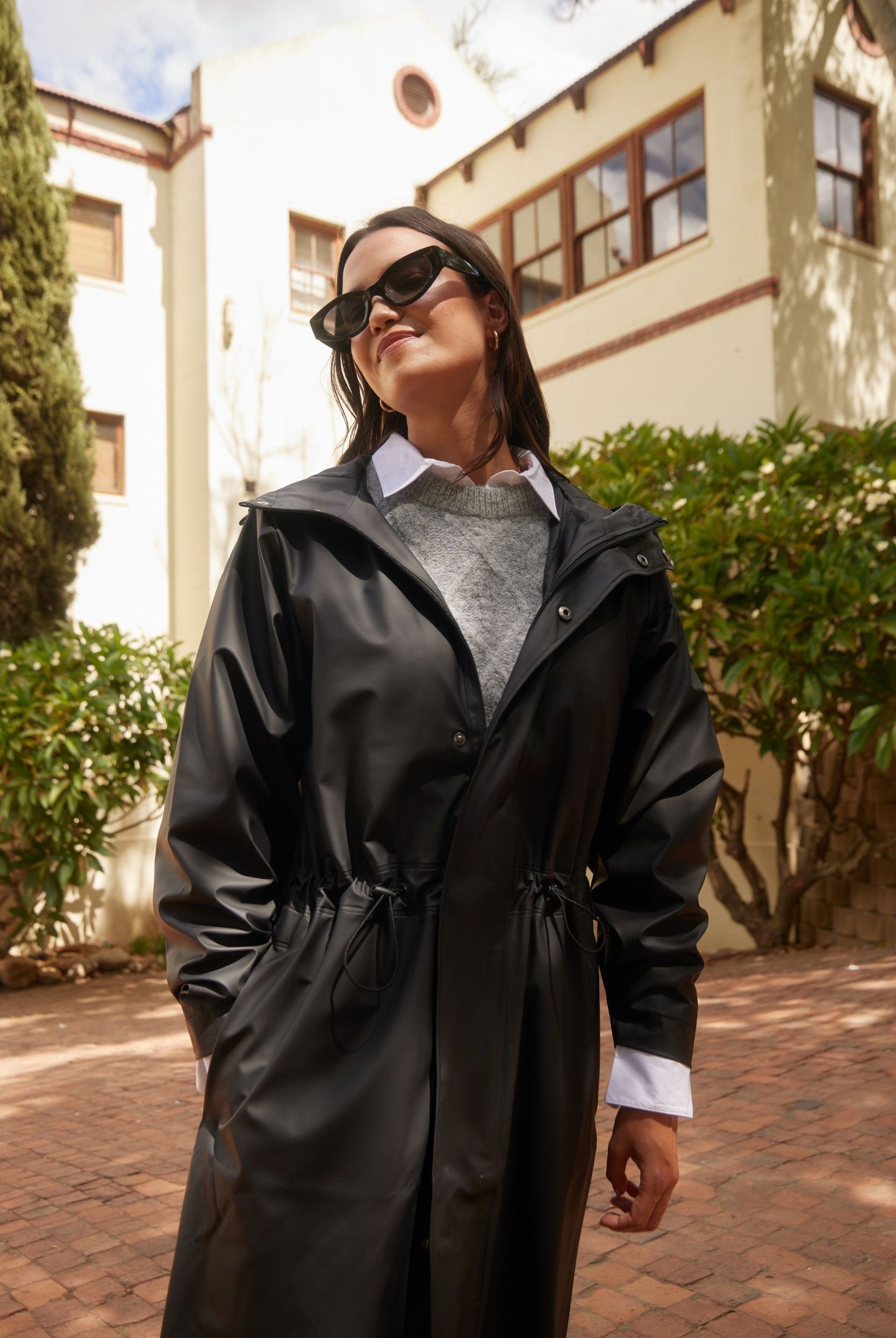
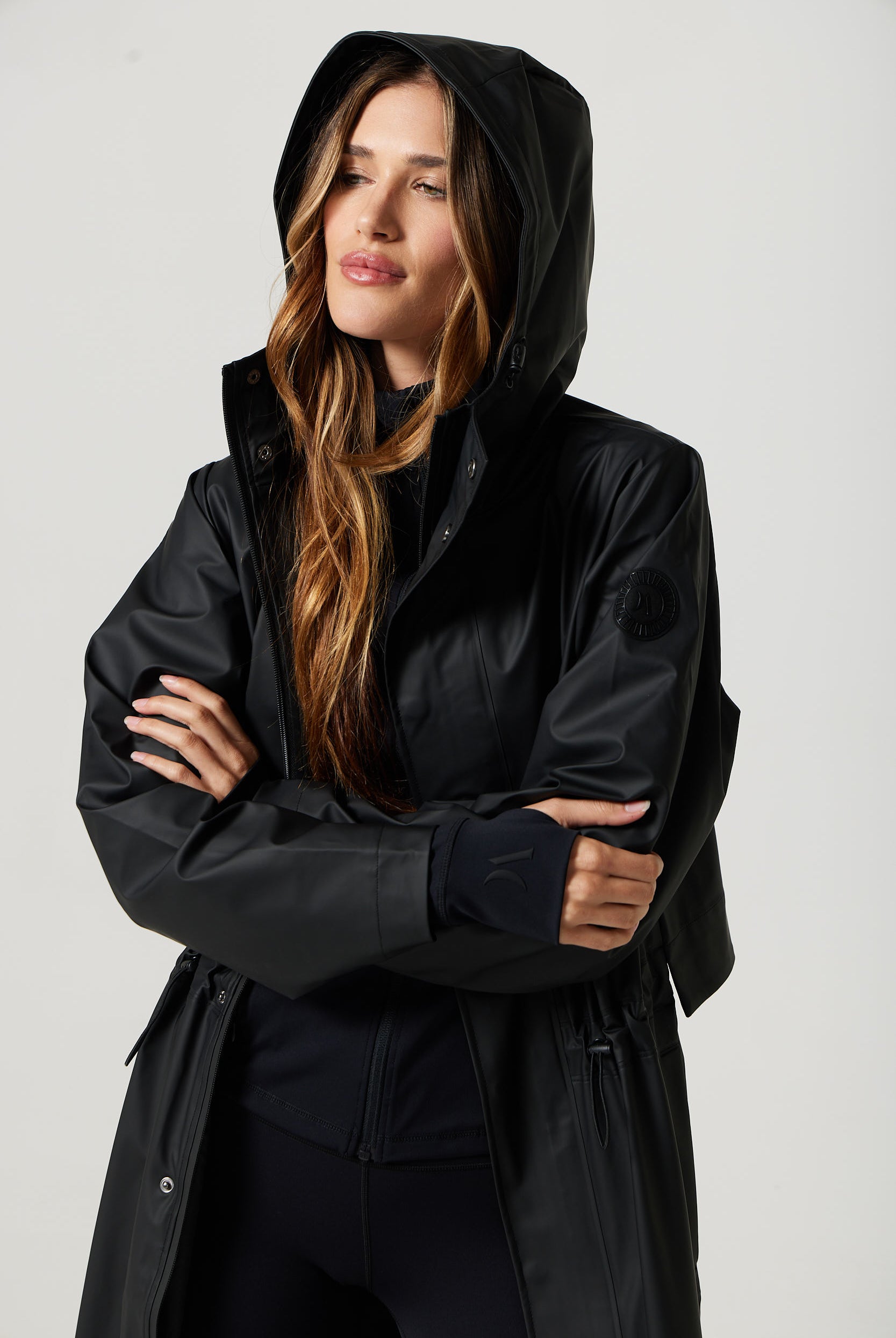
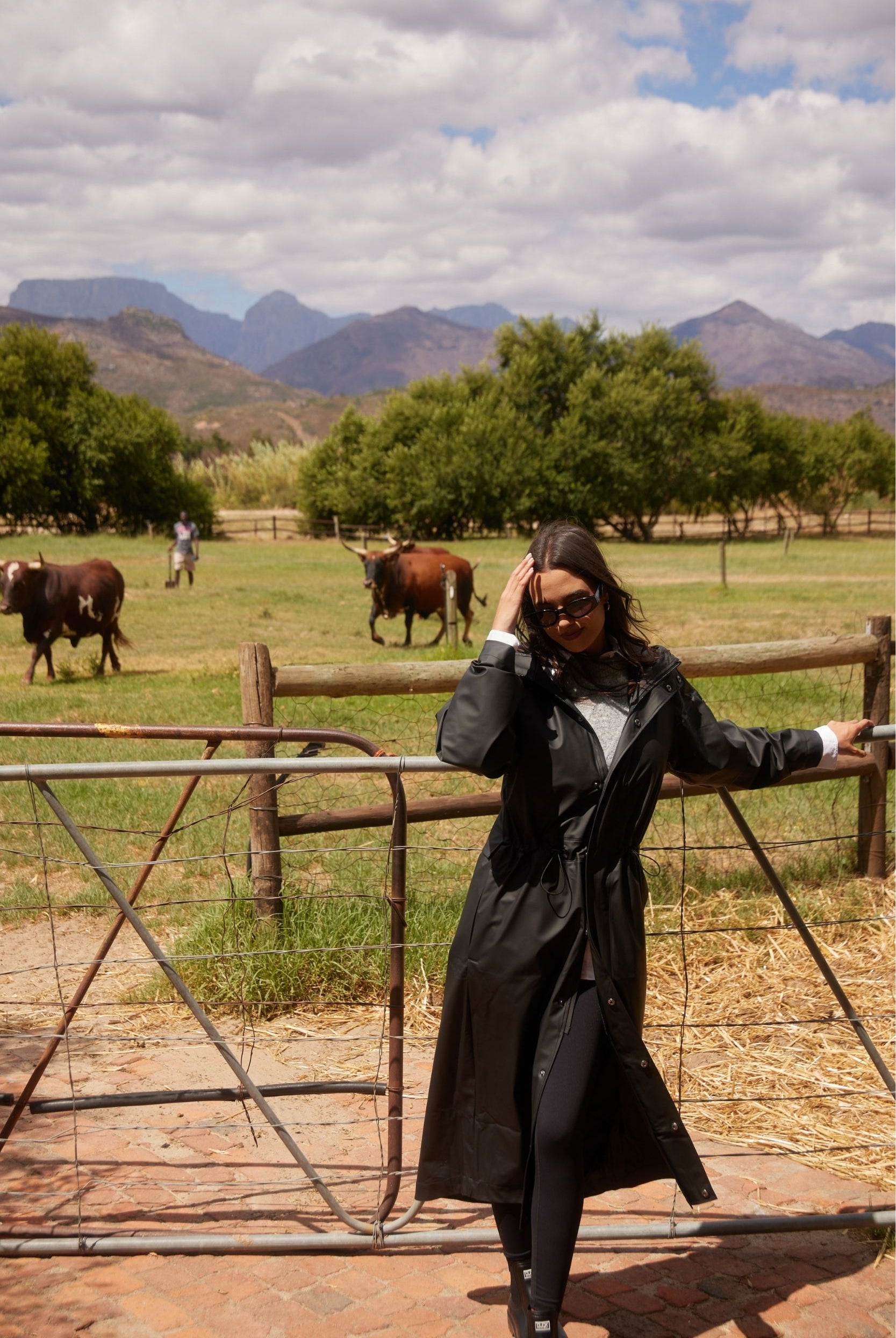
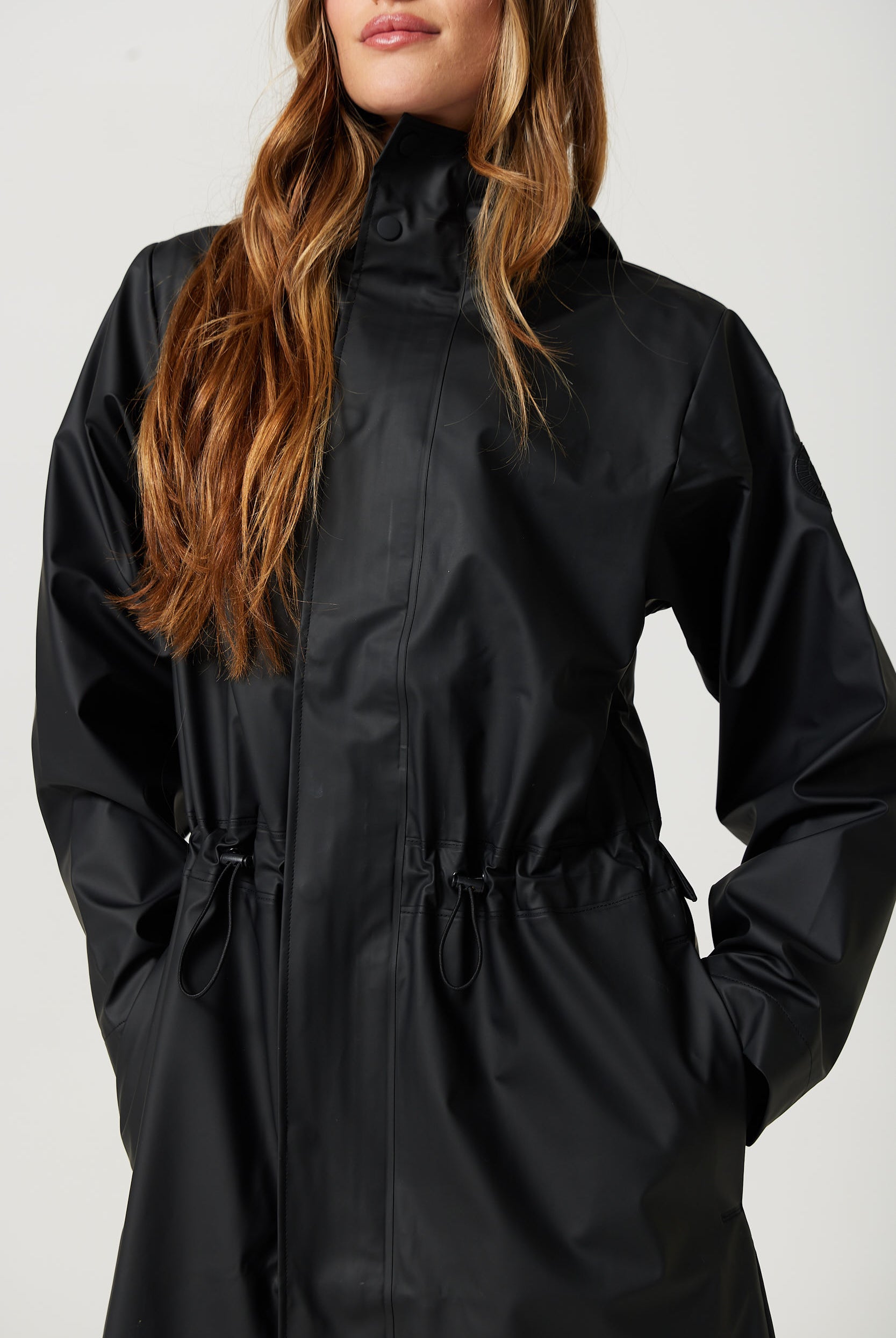
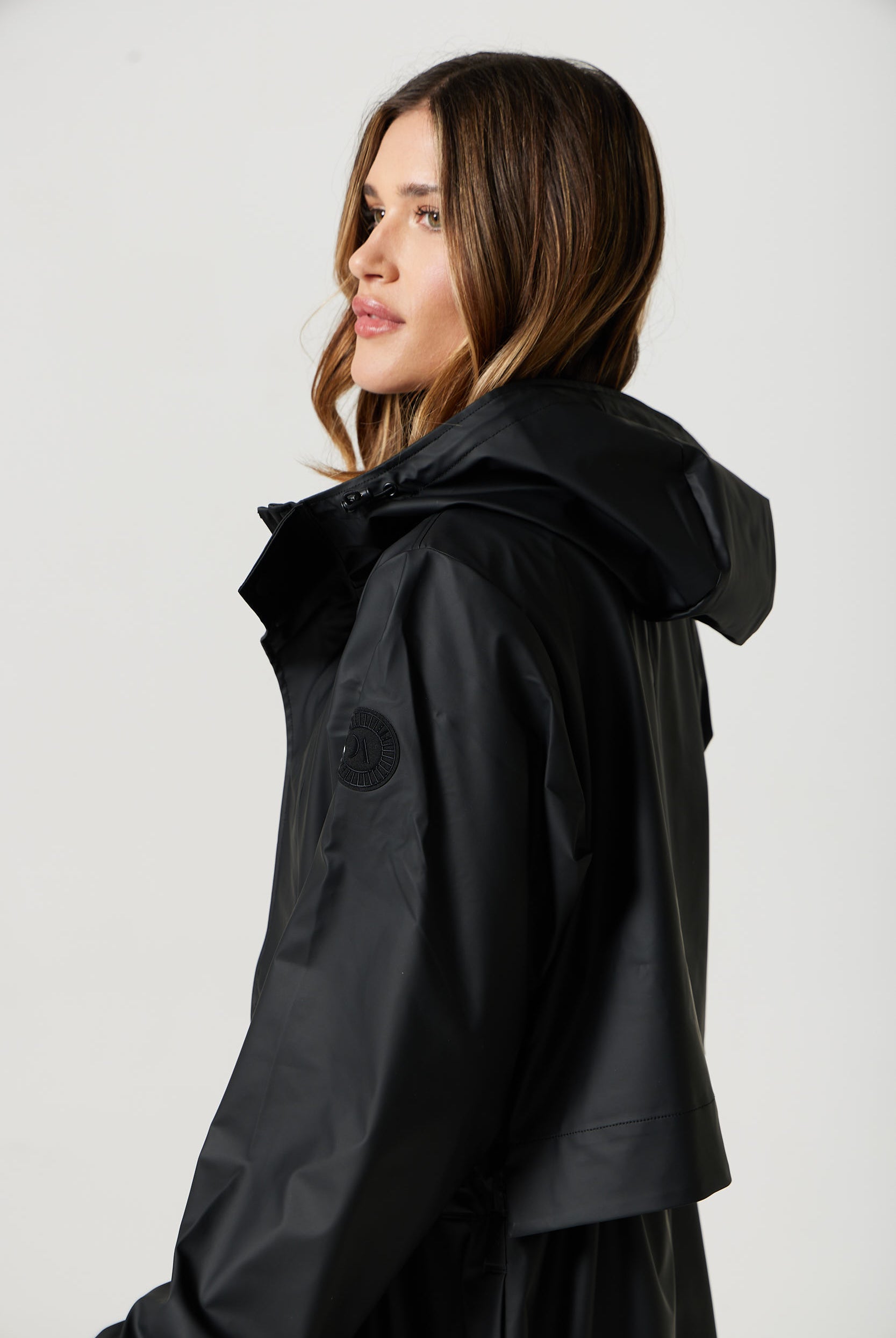
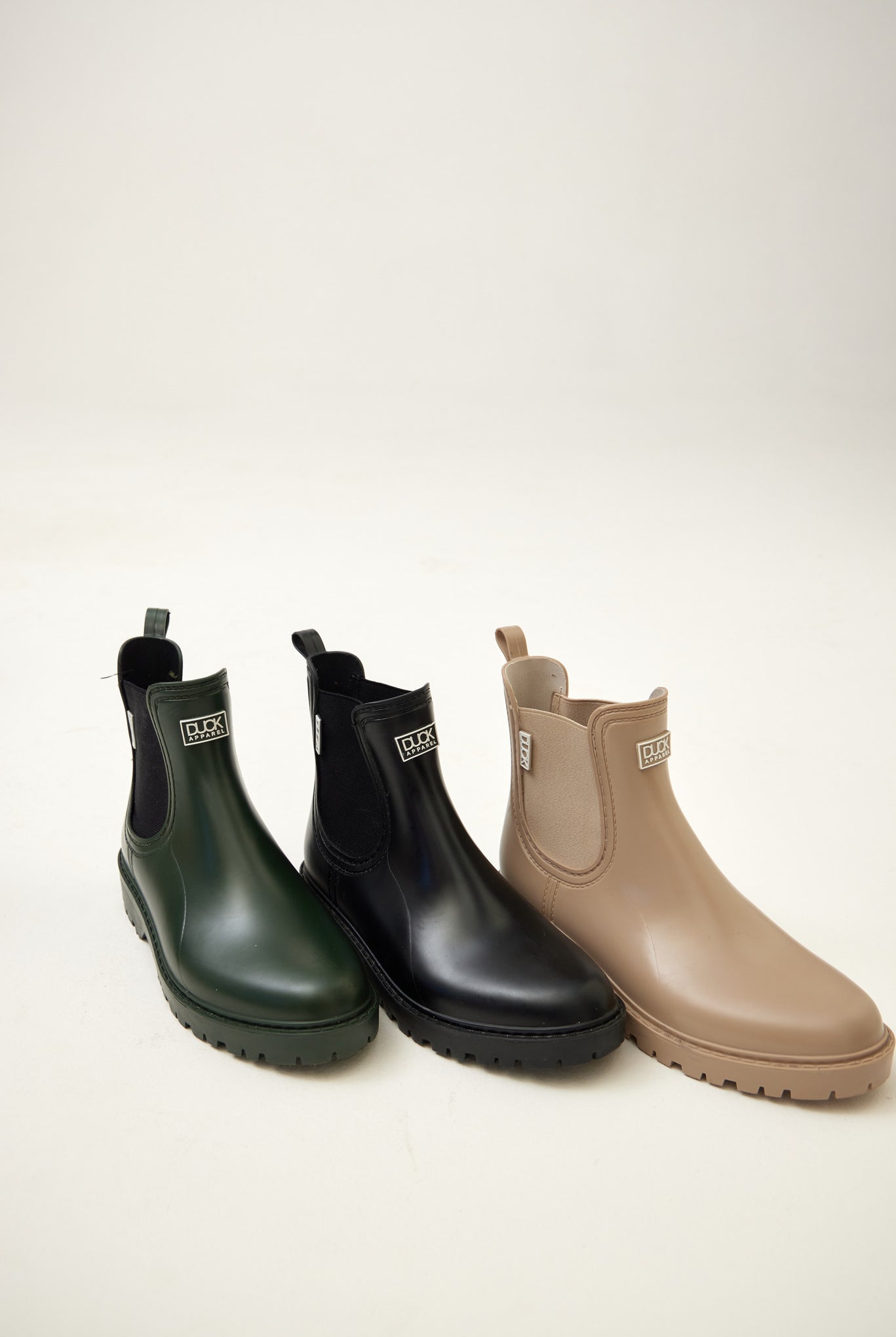
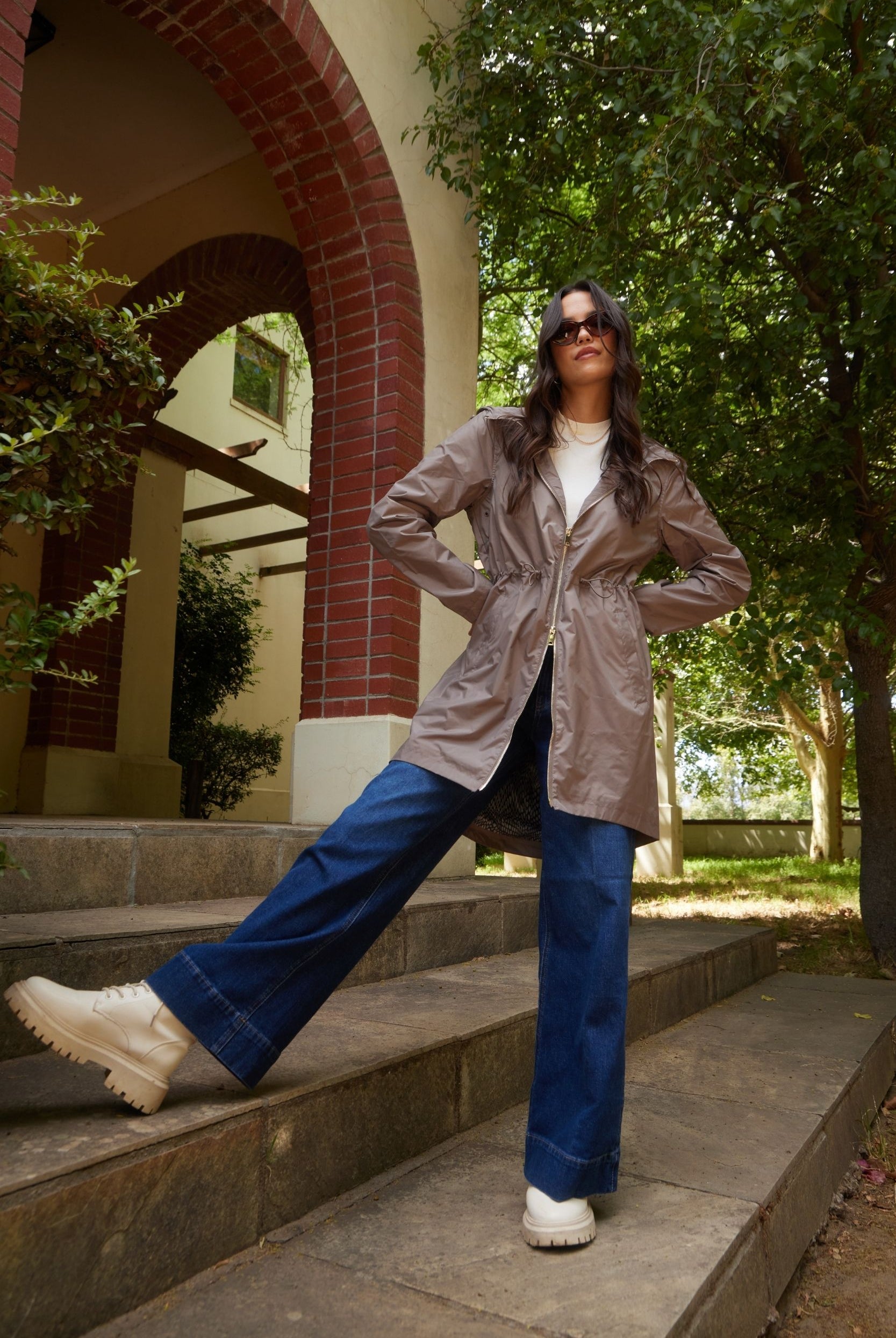
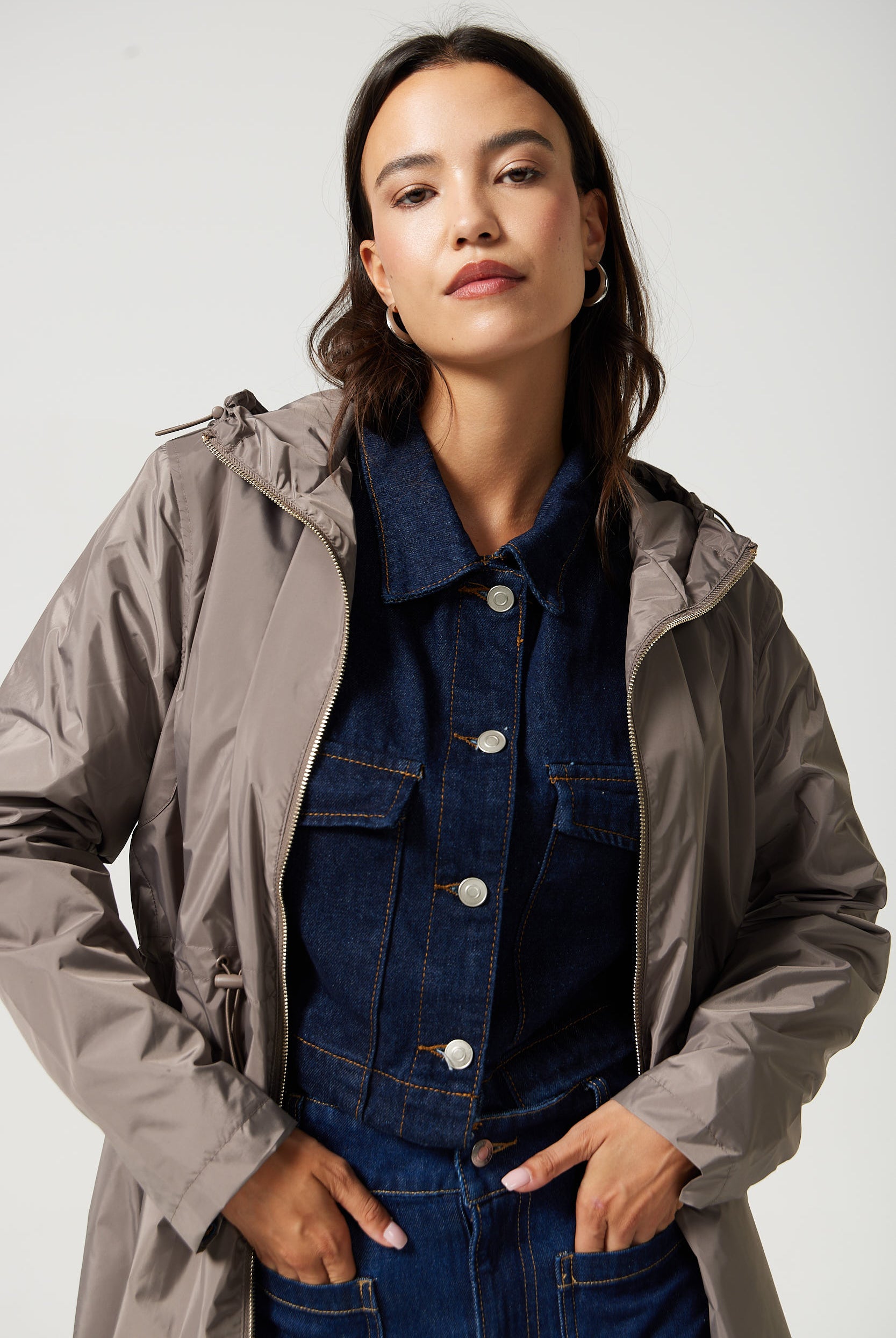
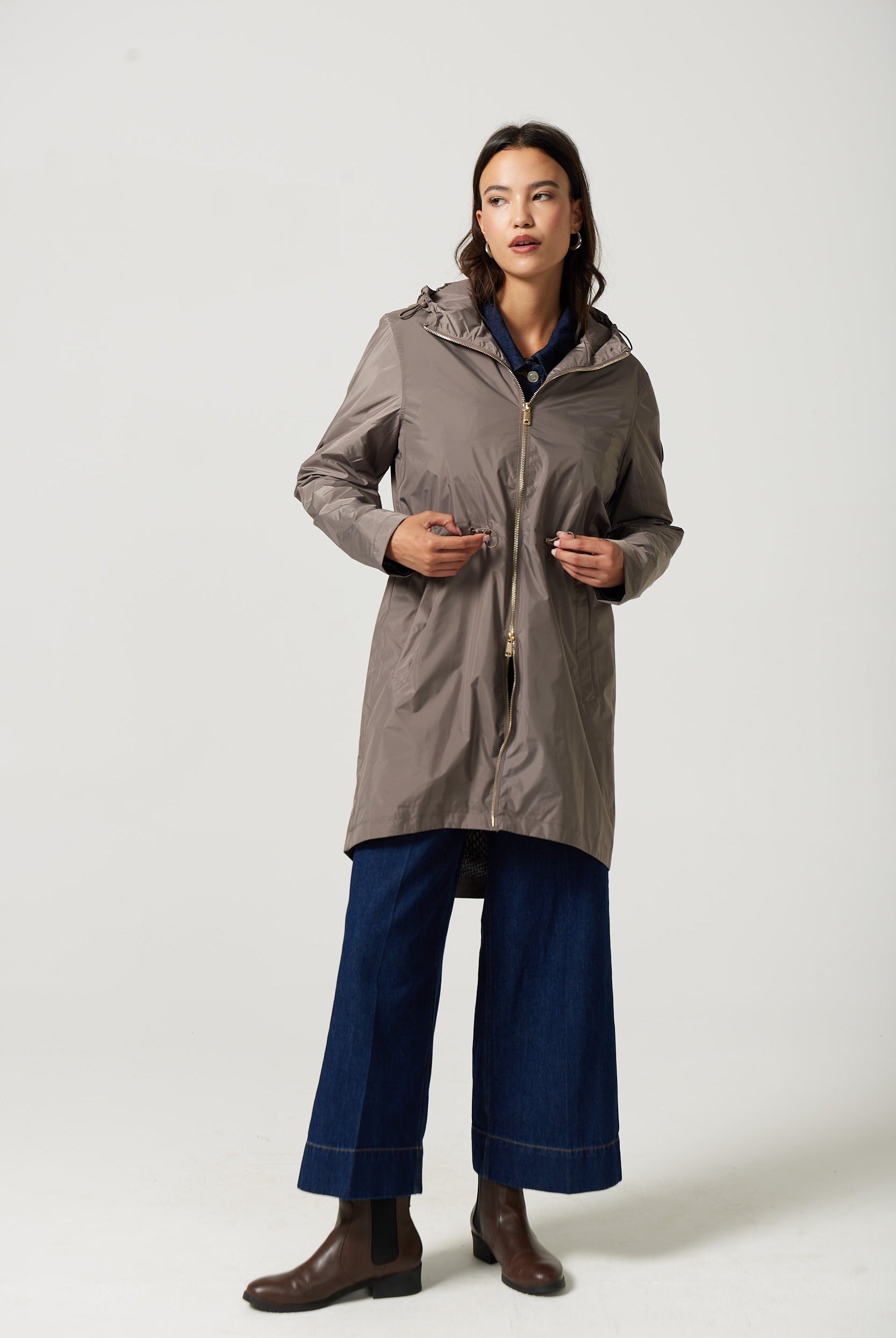
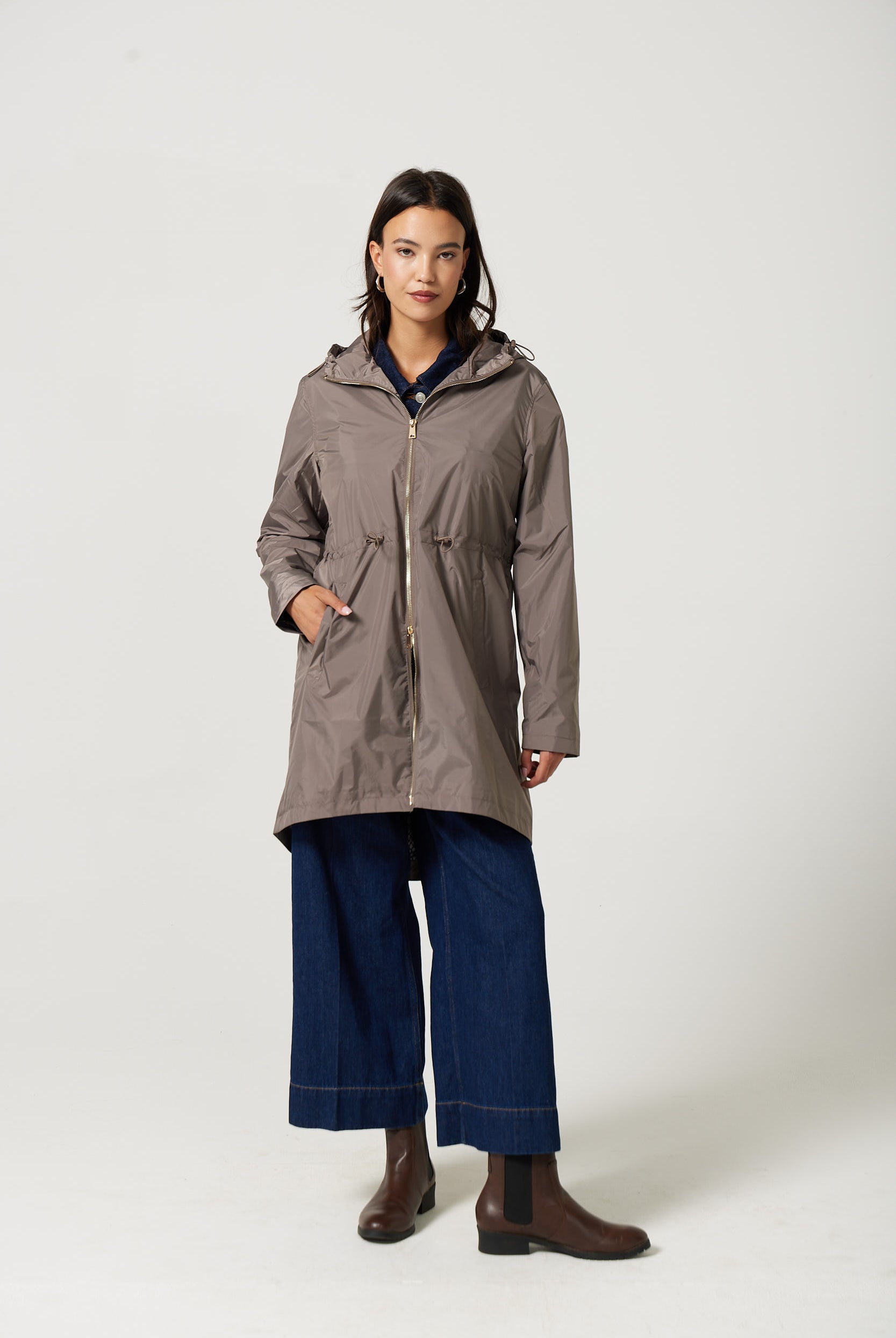
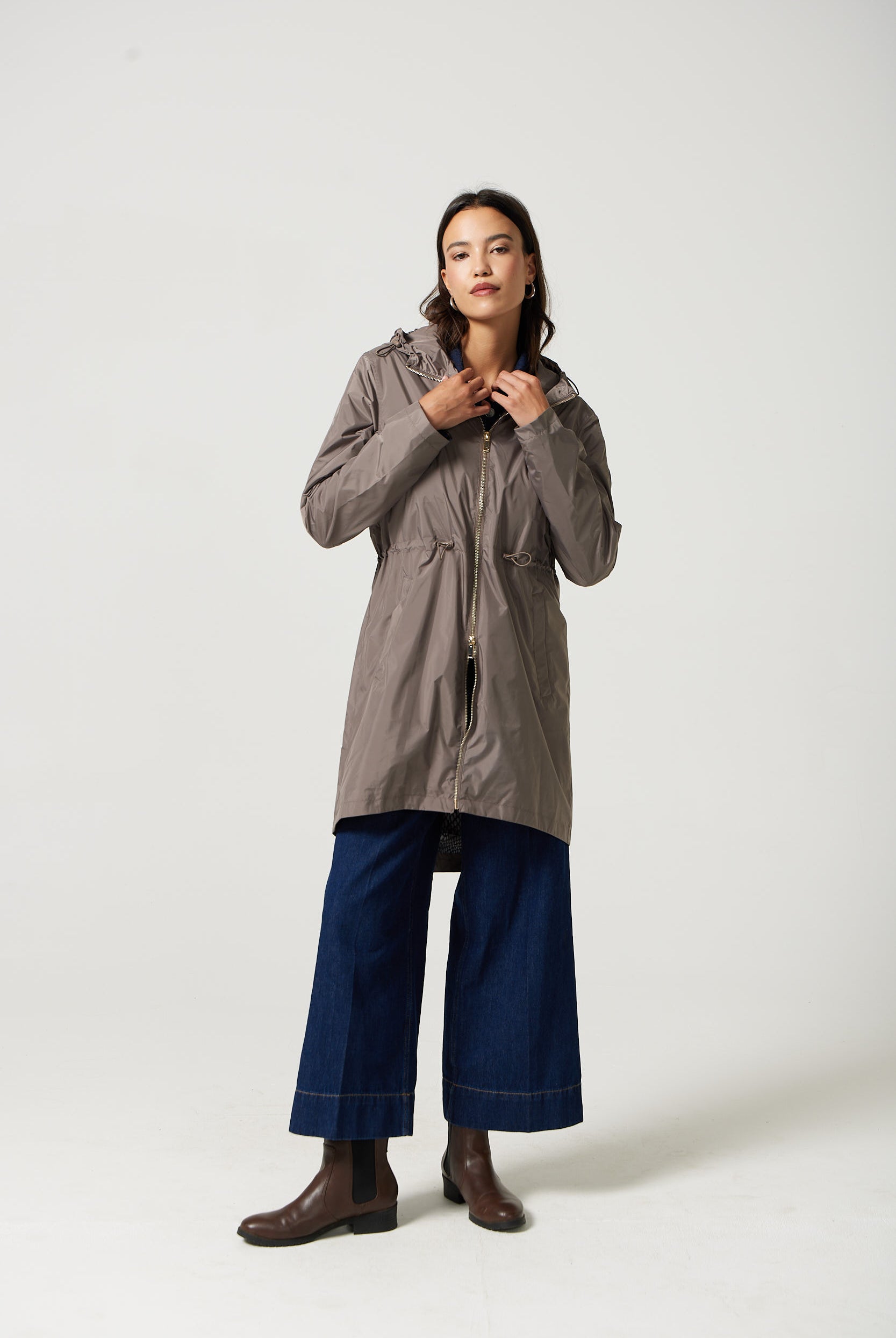
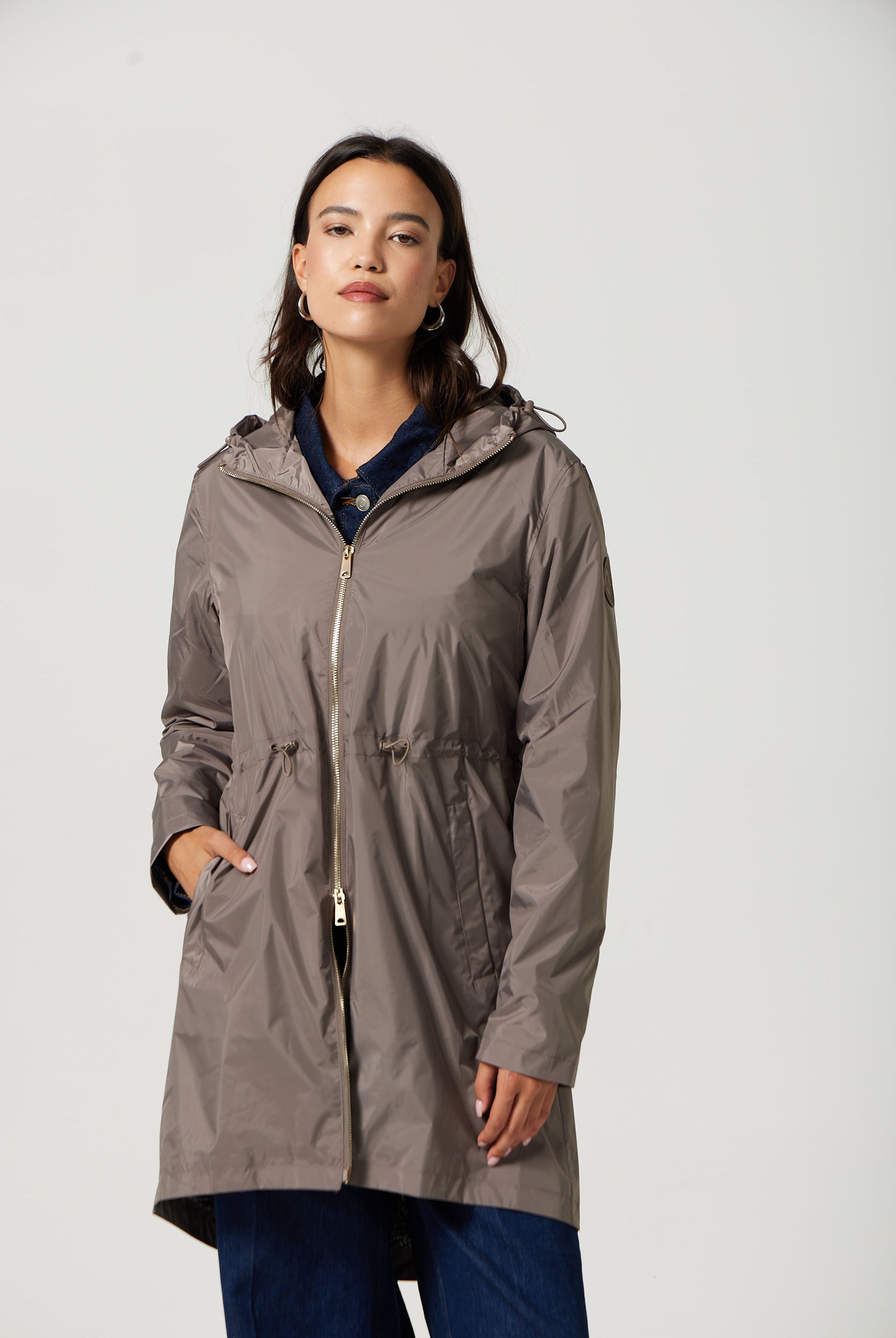
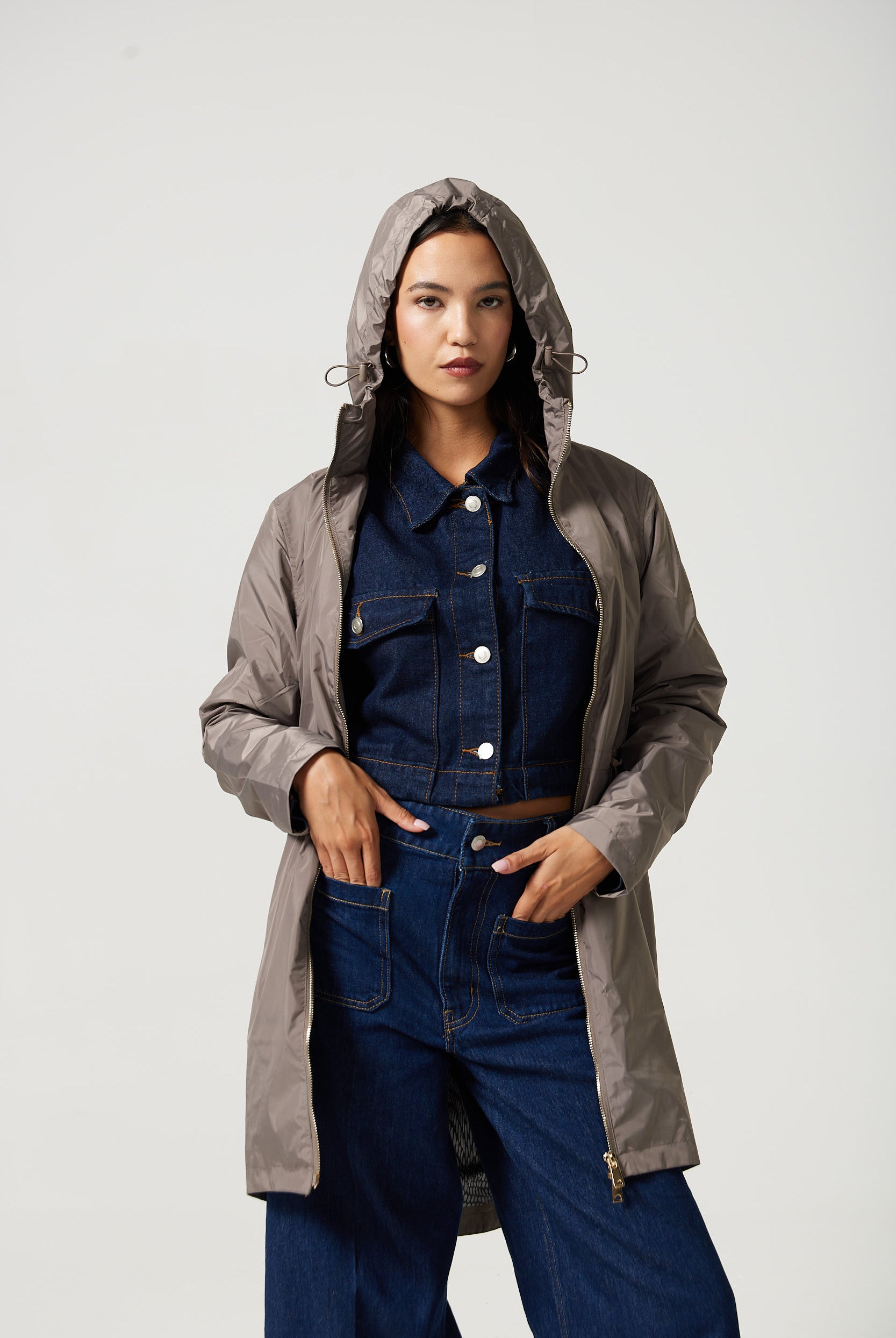
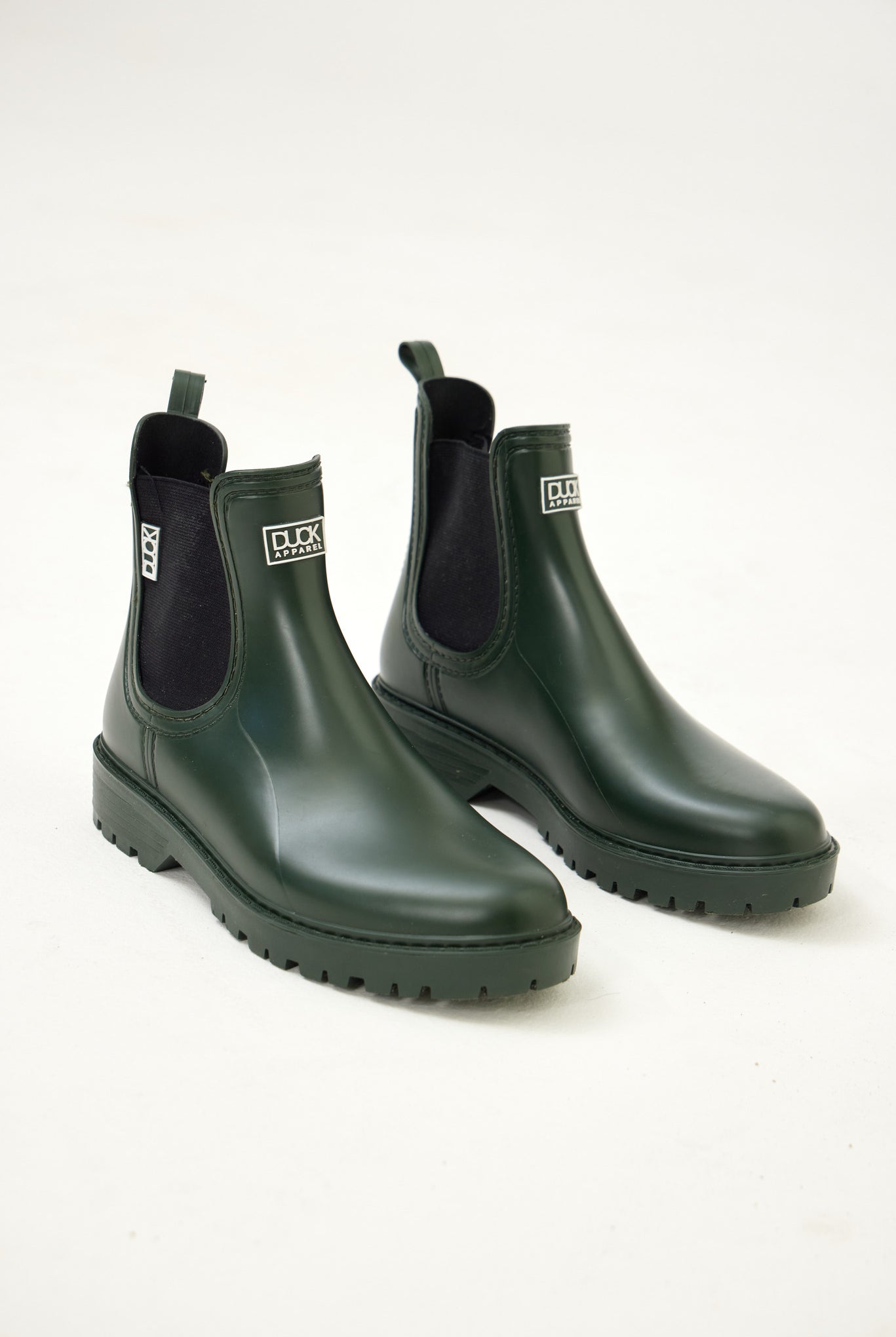
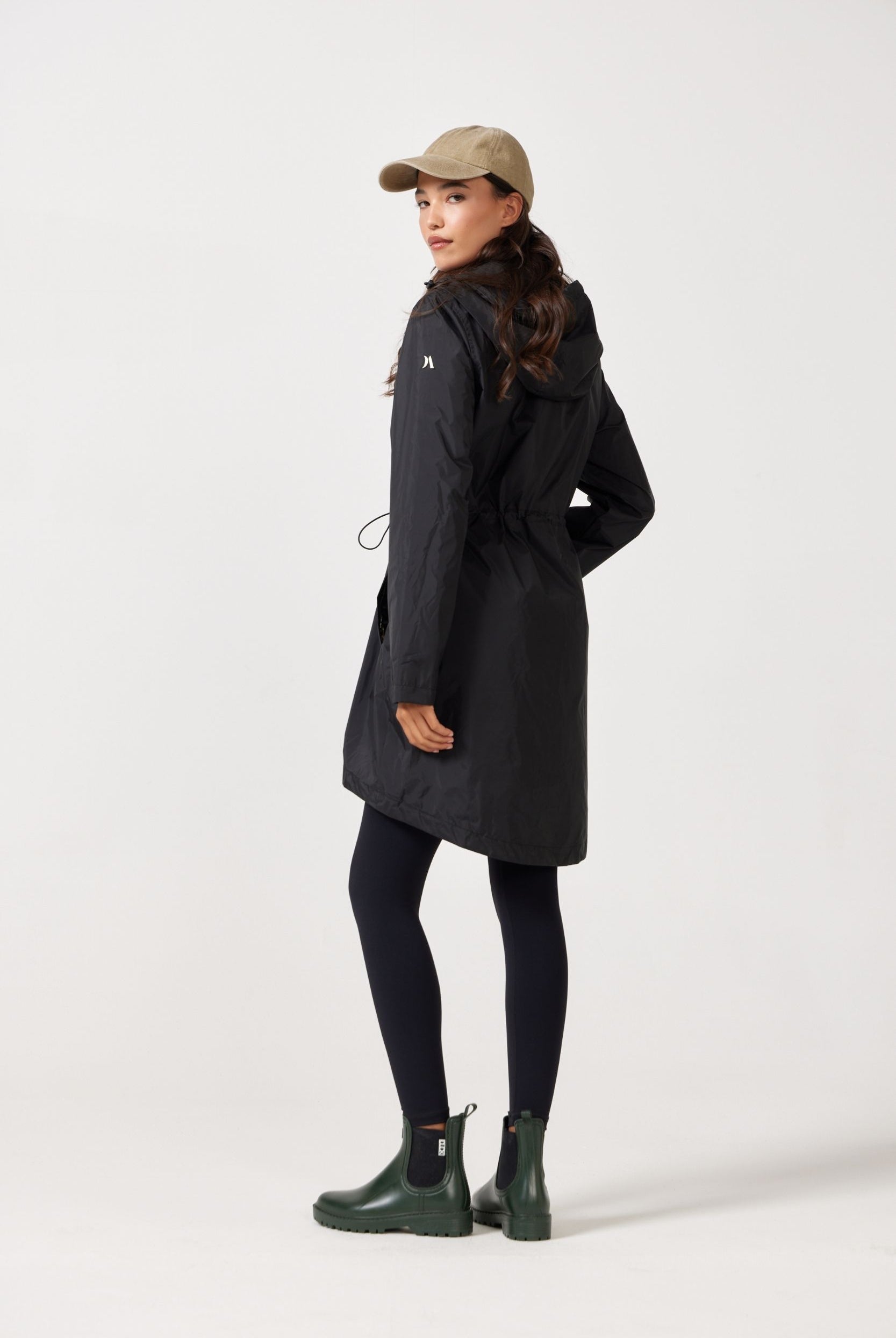
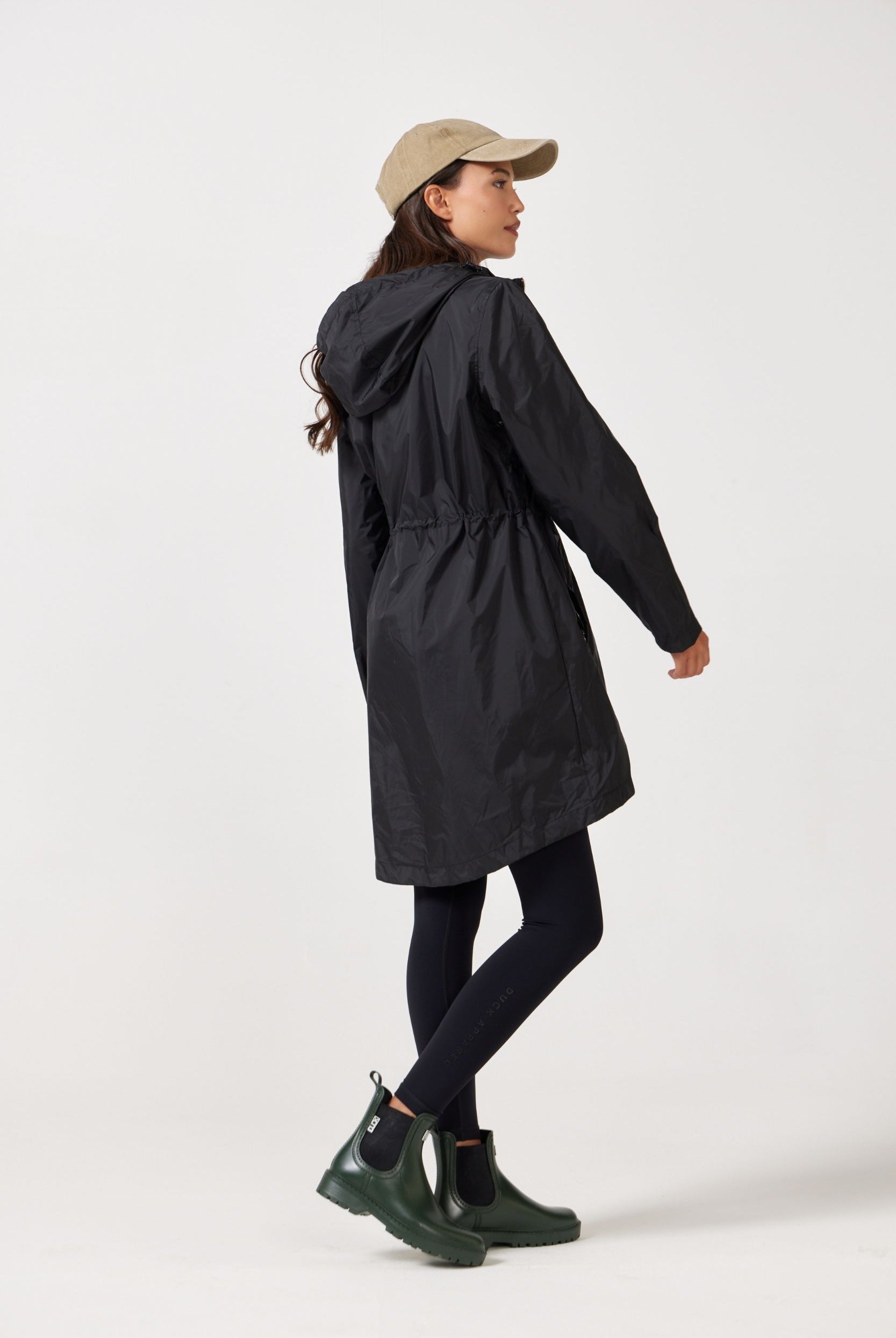
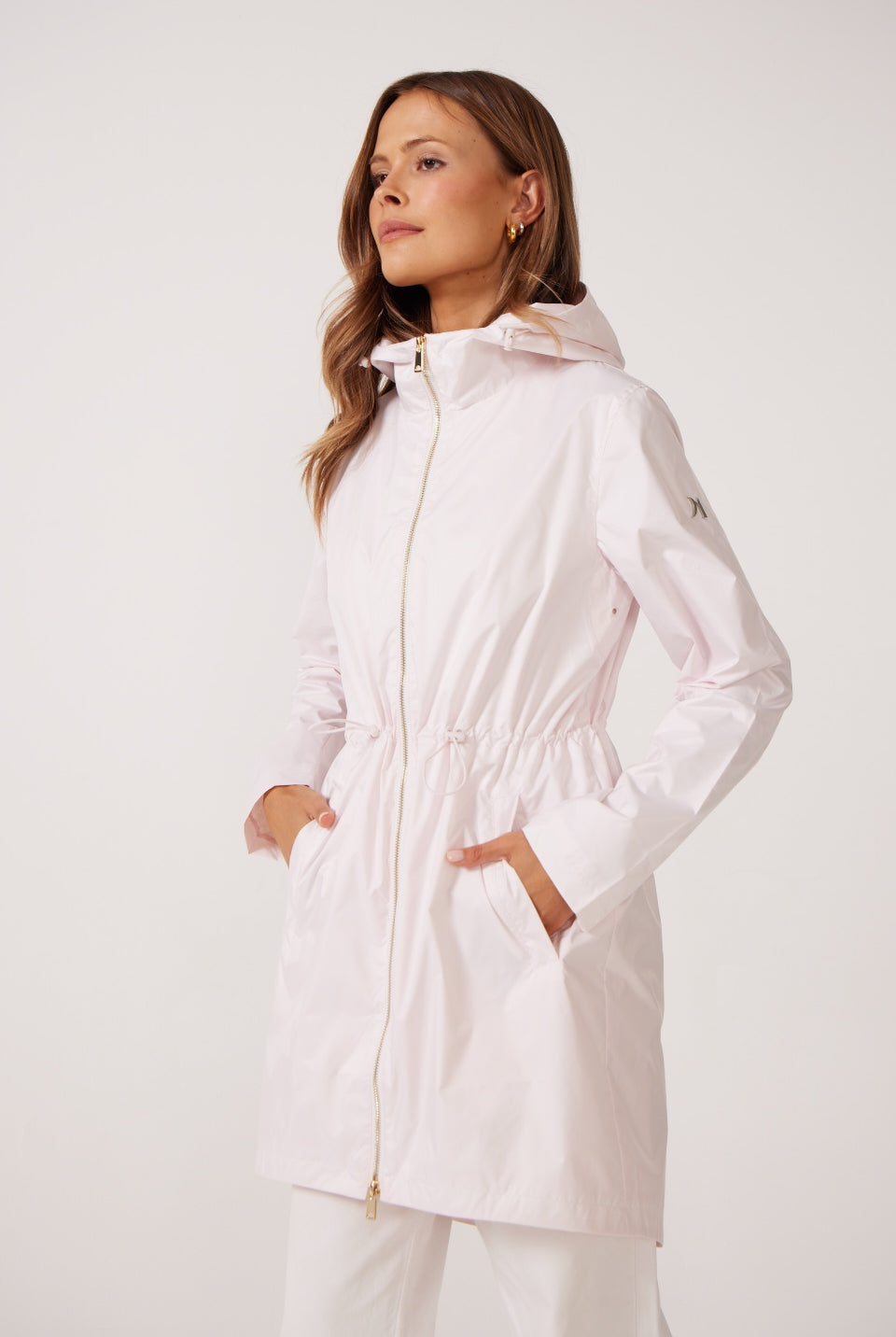
Rainwear at Duck Apparel is the part of the range built for wet weather in Australia rather than for deep cold, and it brings the coats, jackets and boots that handle rain into one page. It includes pieces such as The Regent Trench, The Landmark Trench, The Highland Midnight, The Oxford Blue, The Juniper and the Biscuit, Ink and Ivy Rain Boots. The point of the collection is to let you choose by weather instead of by garment type, so you can compare a light shower layer with a full length coat and a pair of boots in one place.
What counts as rainwear?

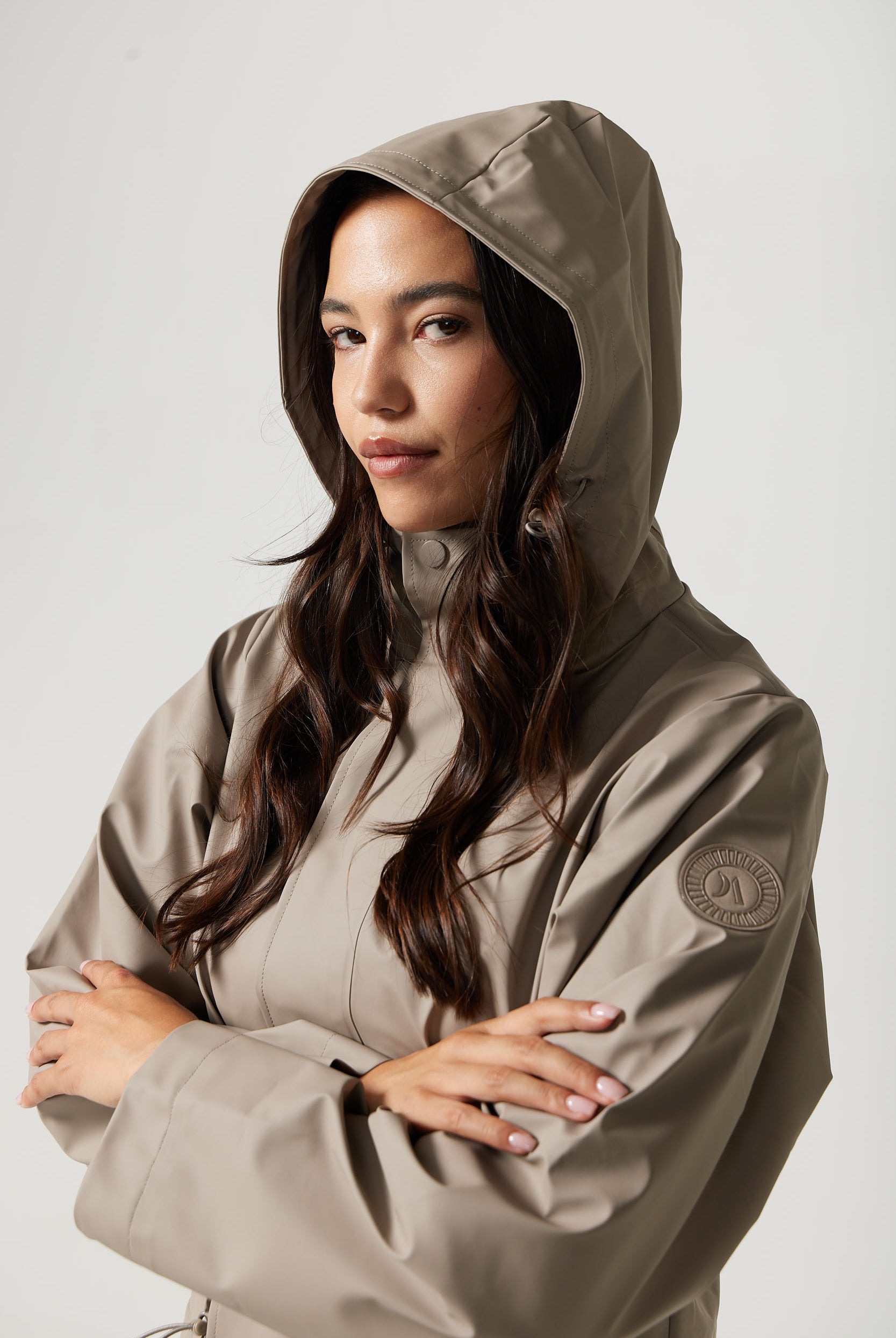
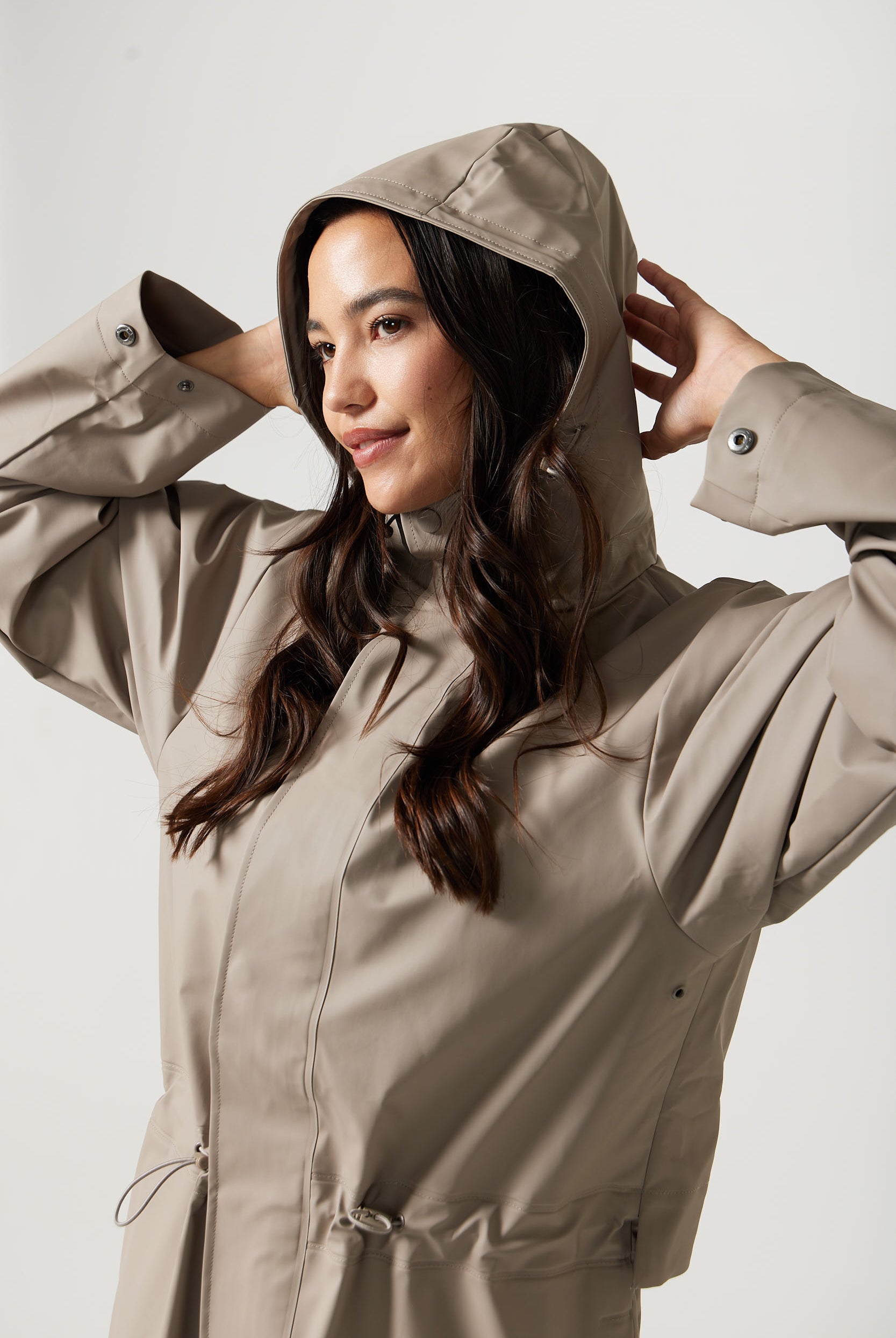
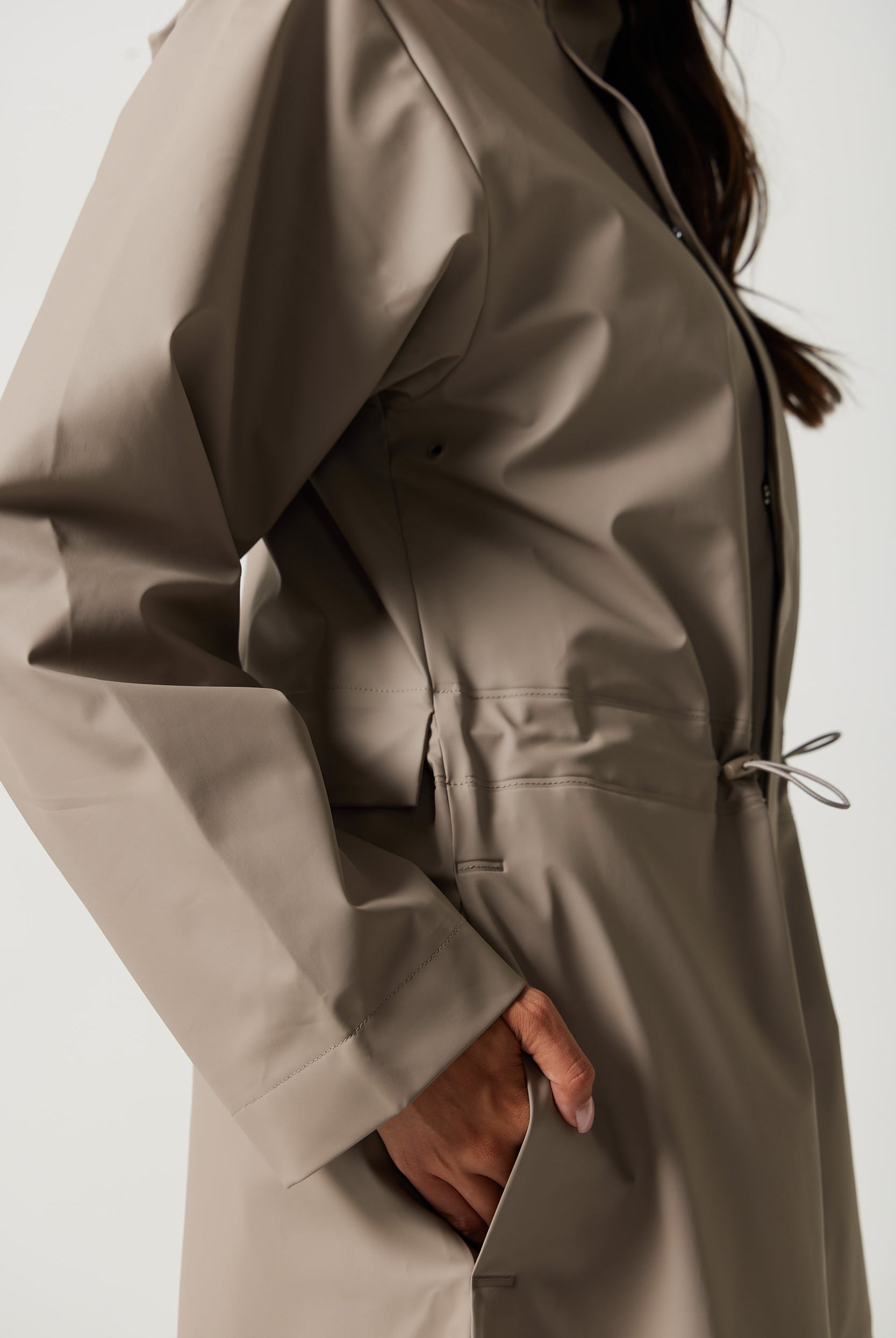
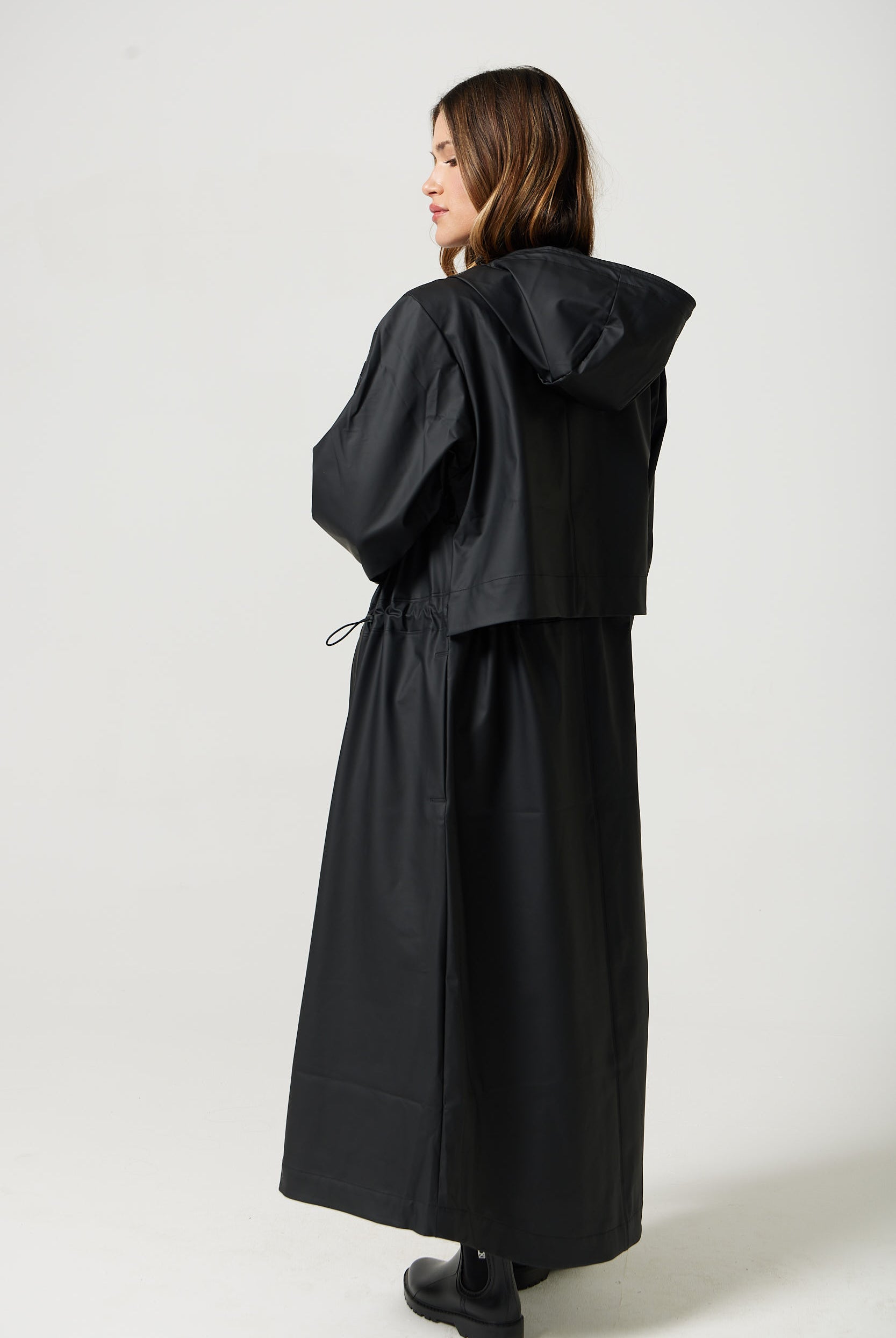
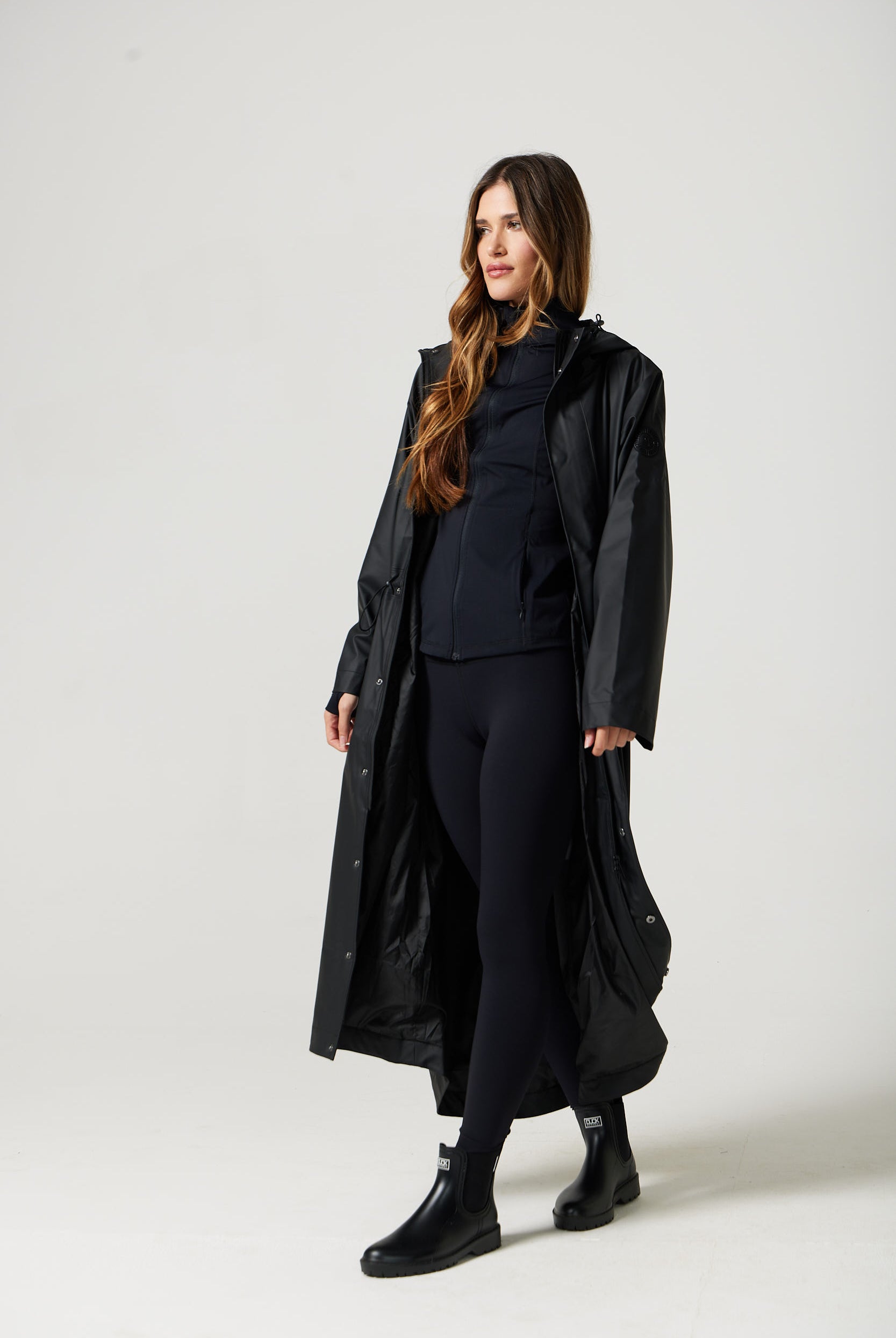
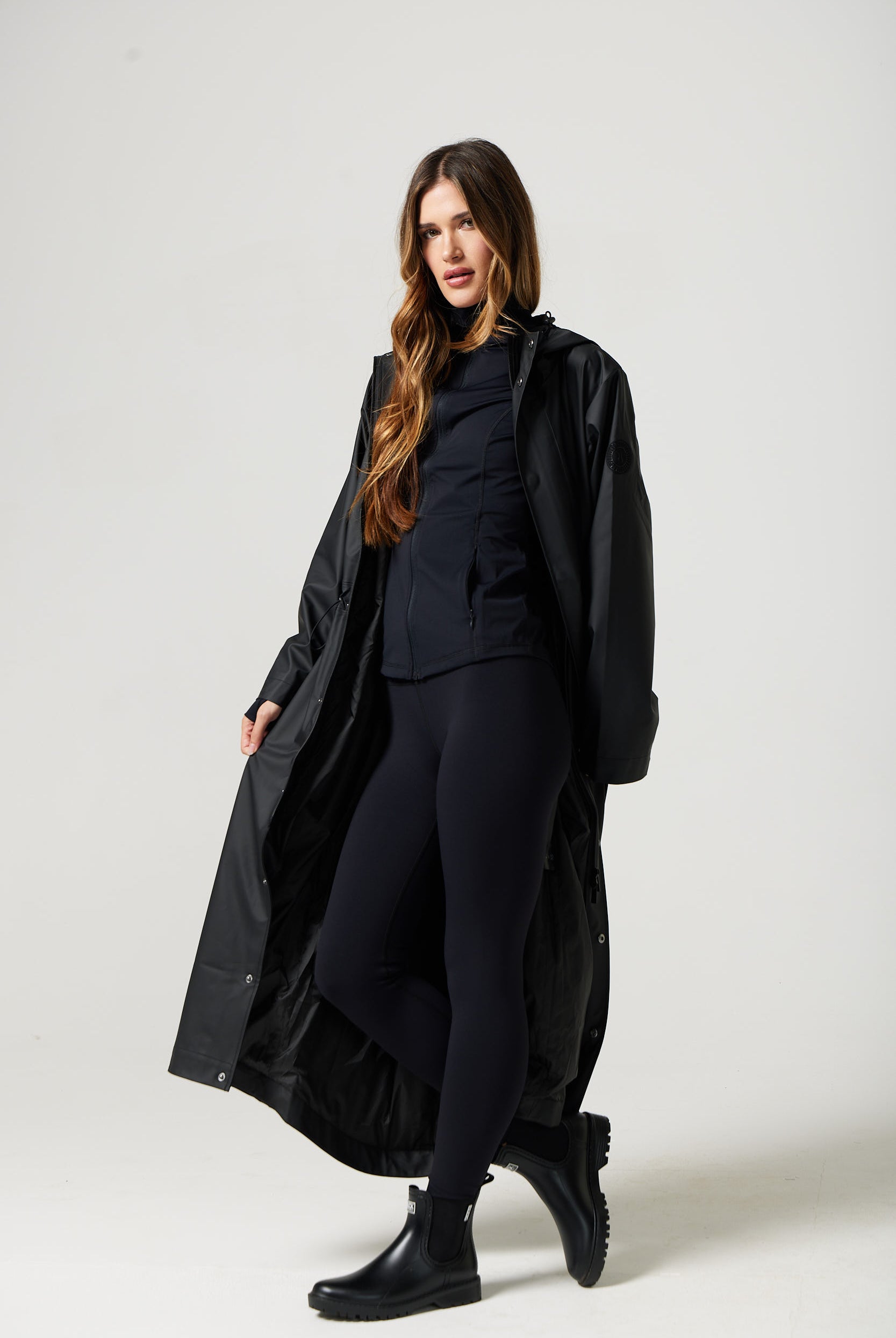
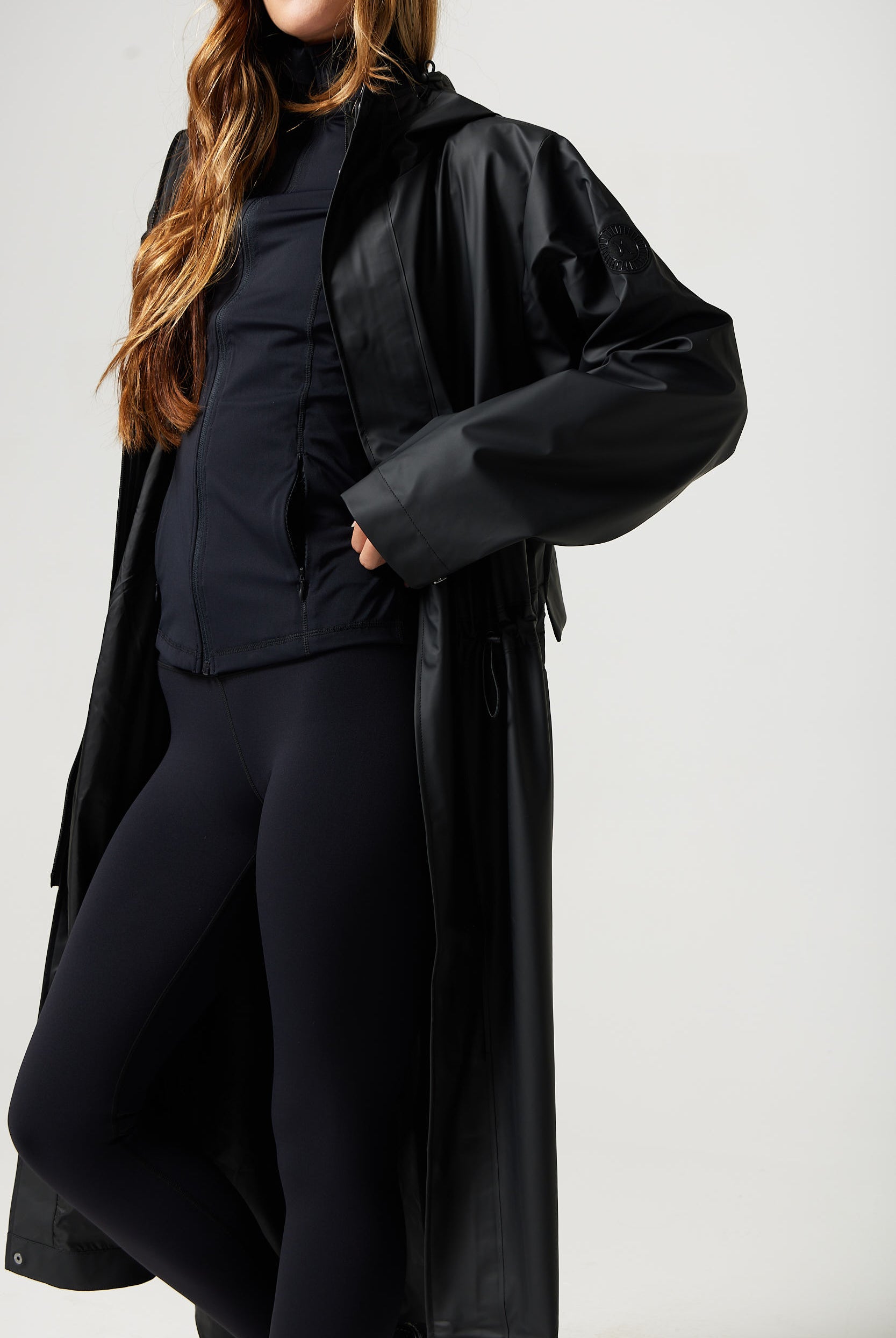
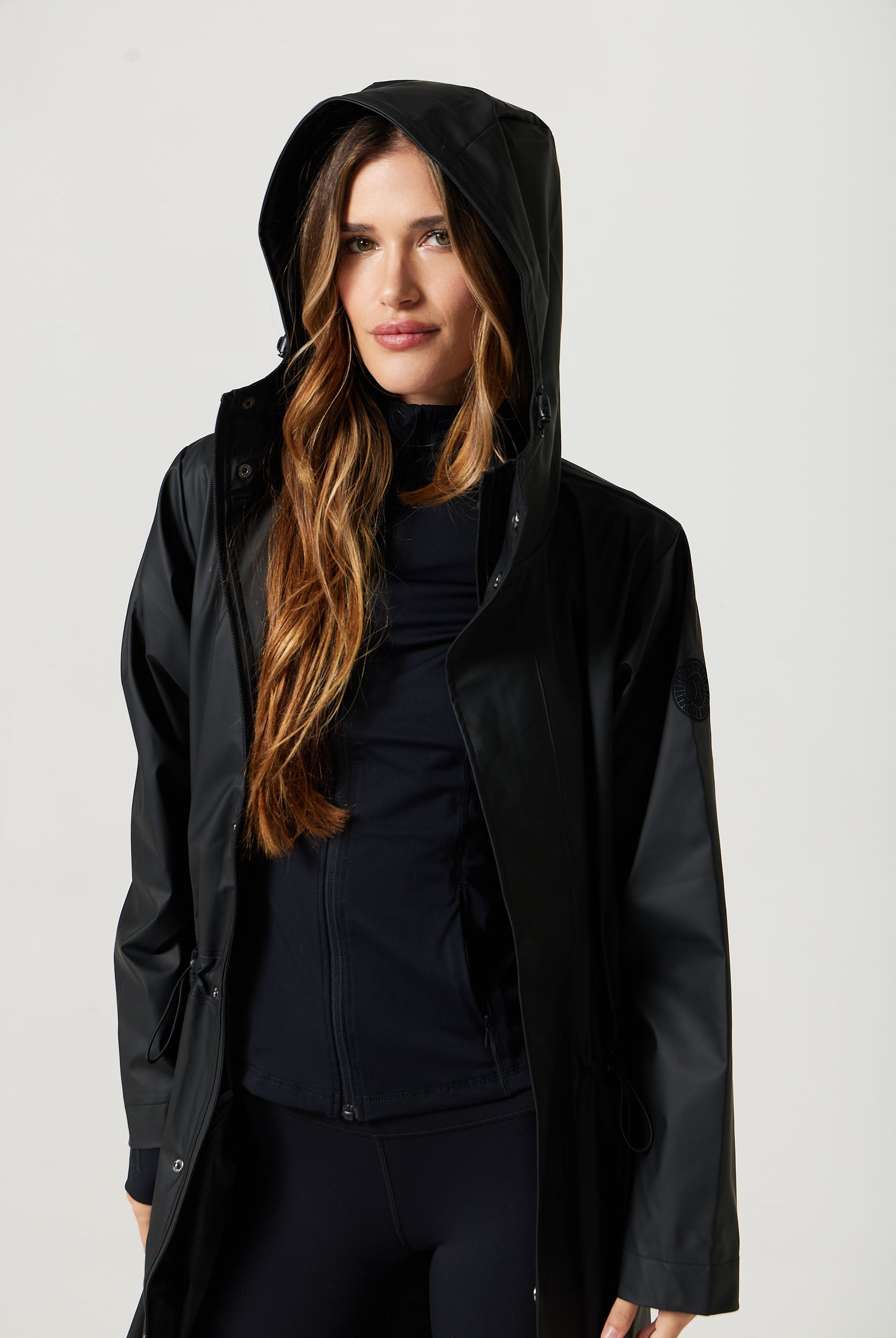
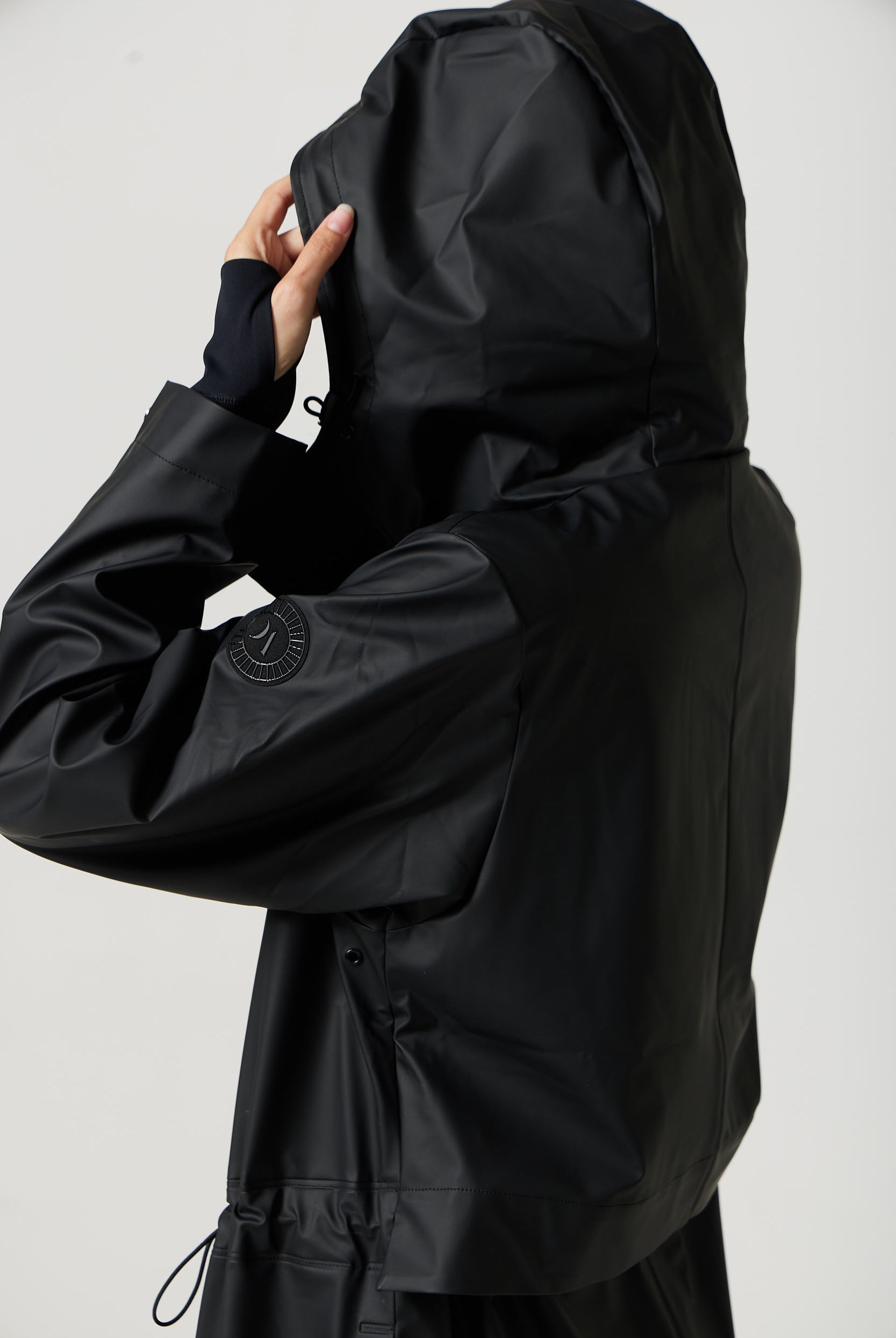
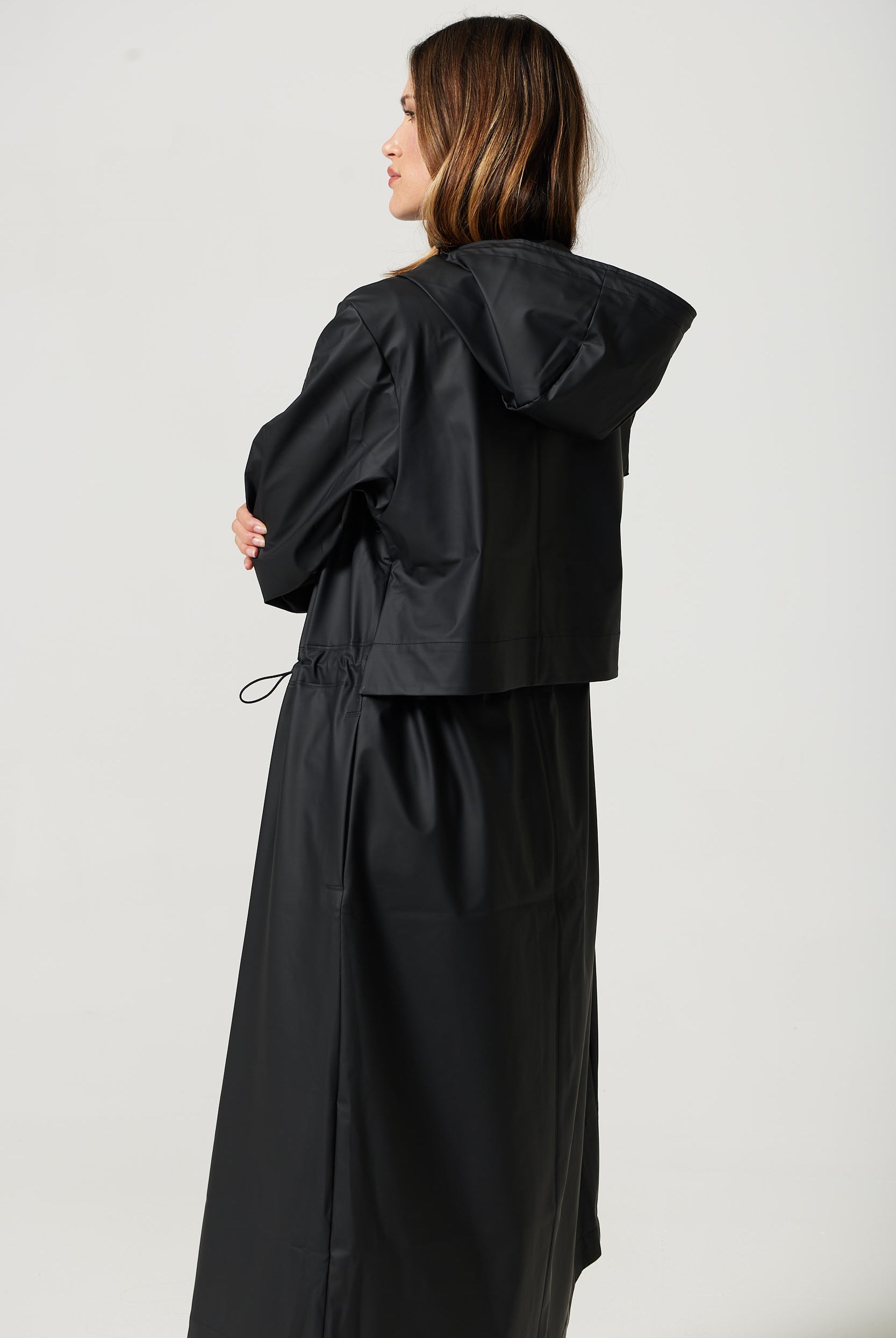
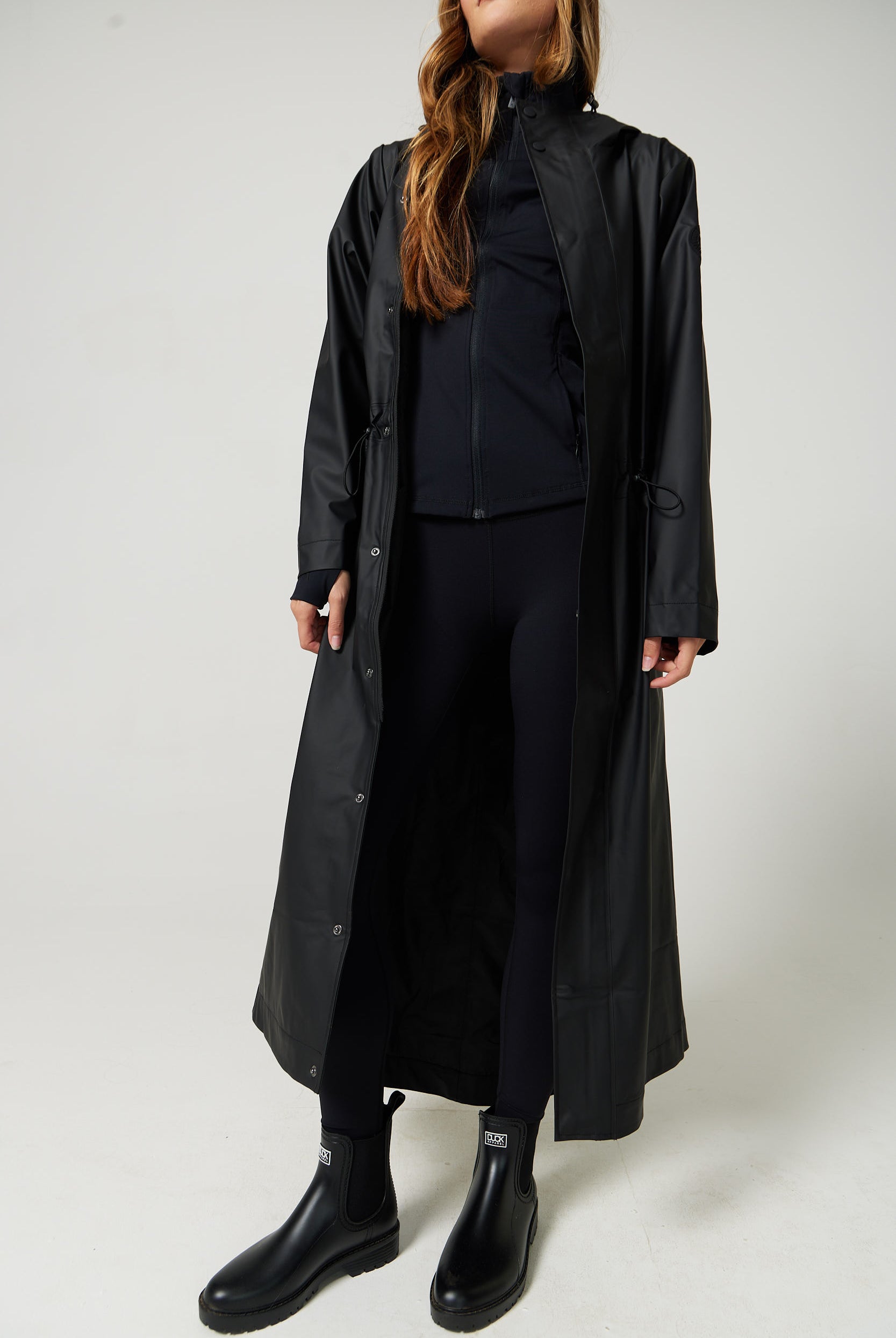
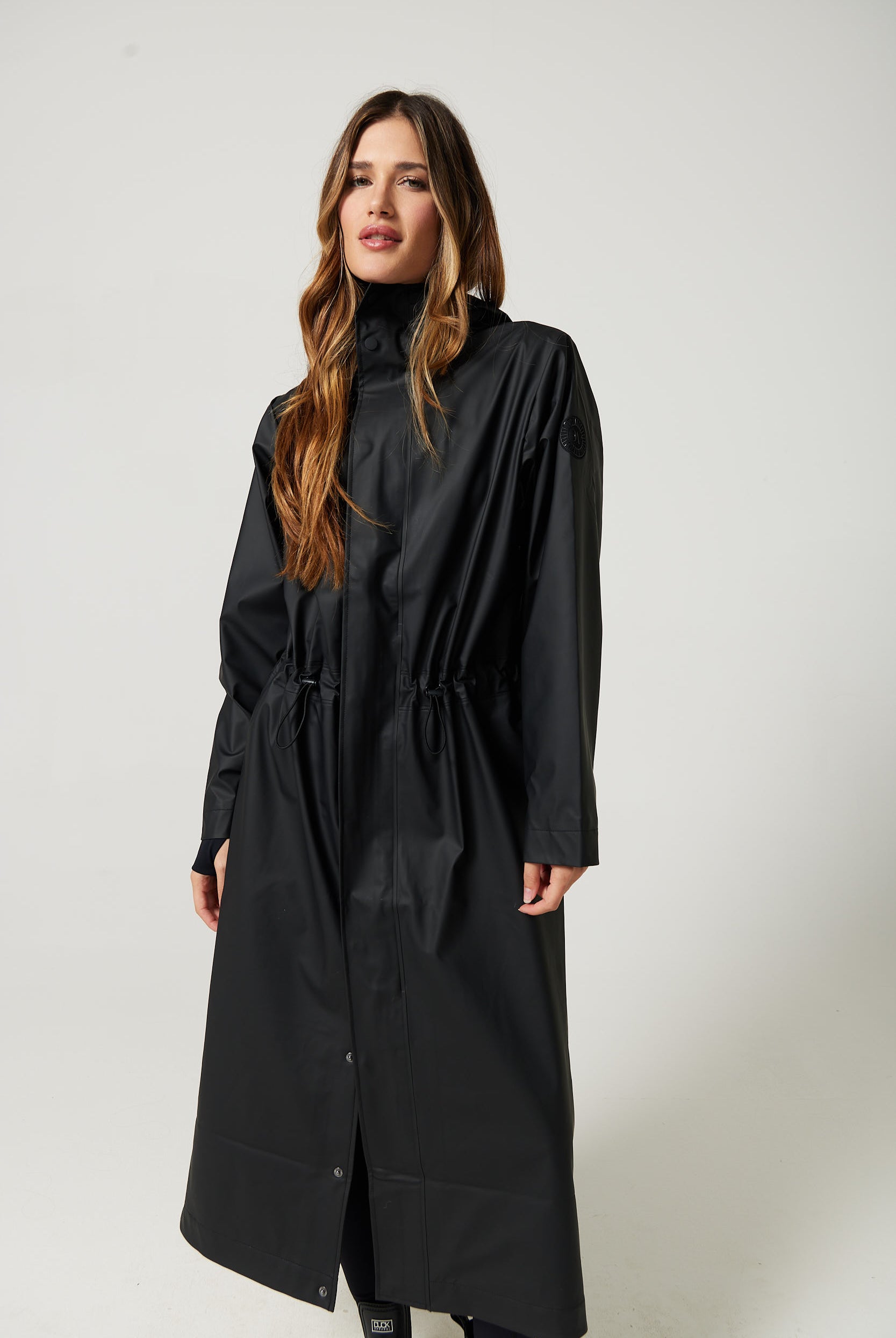
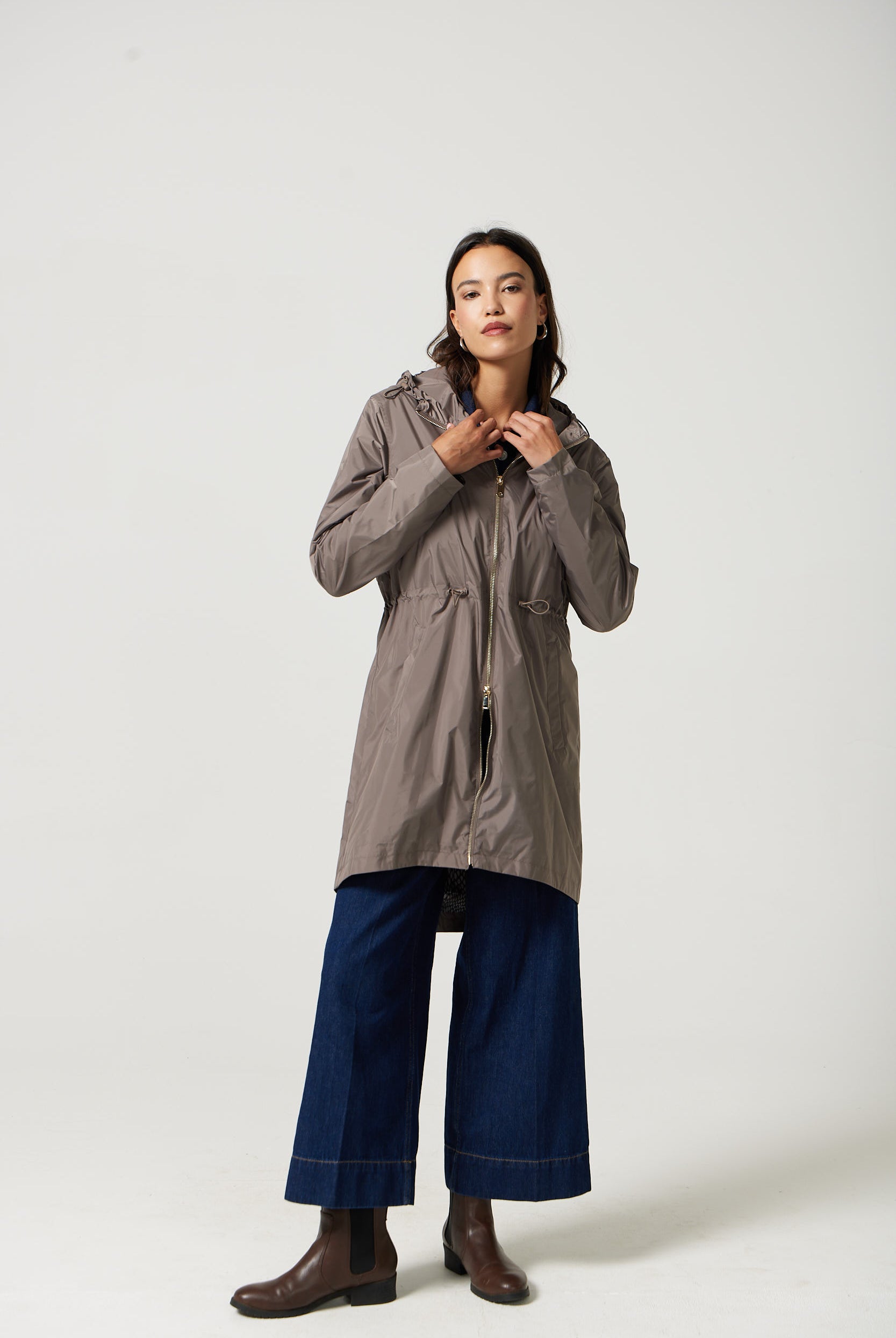
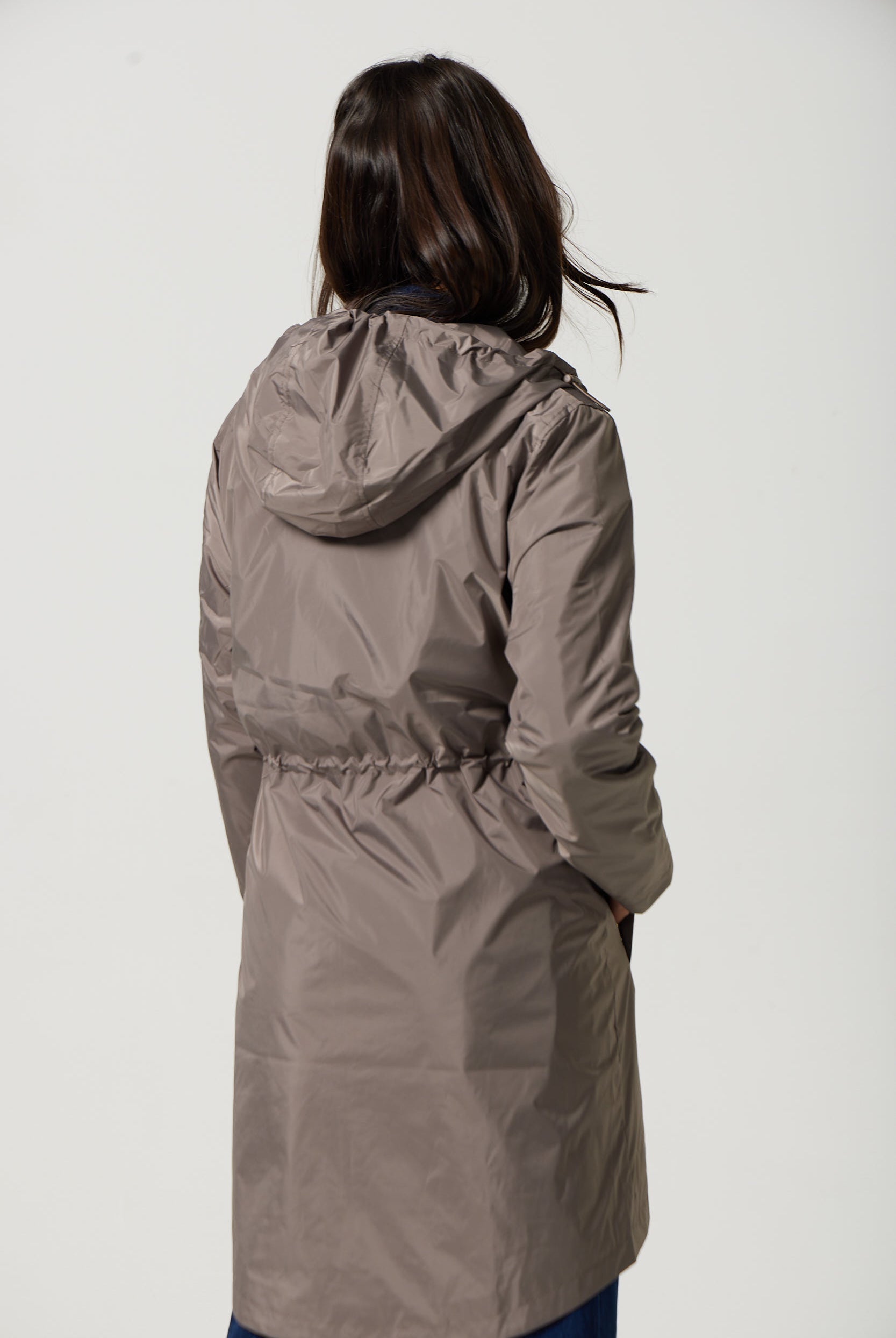
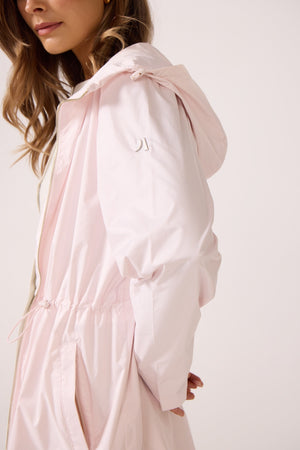
Rainwear covers anything designed to keep rain off you and still be comfortable to move in. In the Duck Apparel range that spans long belted coats such as The Regent Trench and The Landmark Trench, shorter and lighter jackets for changeable days, and rain boots for wet ground. Colour ranges from quiet neutrals through to prints such as The Cape Leopard, because a rain layer is worn more often than almost anything else in a wardrobe and does not need to be dull.

Rain is a year round problem in Australia rather than a winter one, which is why this collection does not map neatly onto one season. Melbourne rain arrives in short bursts across the whole calendar. Sydney and Brisbane get their heaviest falls in summer storms. Perth and Adelaide concentrate theirs in the winter months, and Tasmania is wet and cold at the same time for a large part of the year. A rain layer that suits your city is usually more useful than a warmer coat you can only wear for eight weeks.

Choosing by weather weight

Duck Apparel splits its wet weather pieces by how much weather they are built for, which is the fastest way to narrow this collection down. The lighter end, meant for showers, mist and grey days rather than sustained rain, sits in the drizzle weight range and is the right choice for a mild, damp morning or a short walk between buildings. The step up, for cool air and rain arriving together, sits in the crisp weather range and is what most people want for a Melbourne or Adelaide winter commute.

Length and coverage

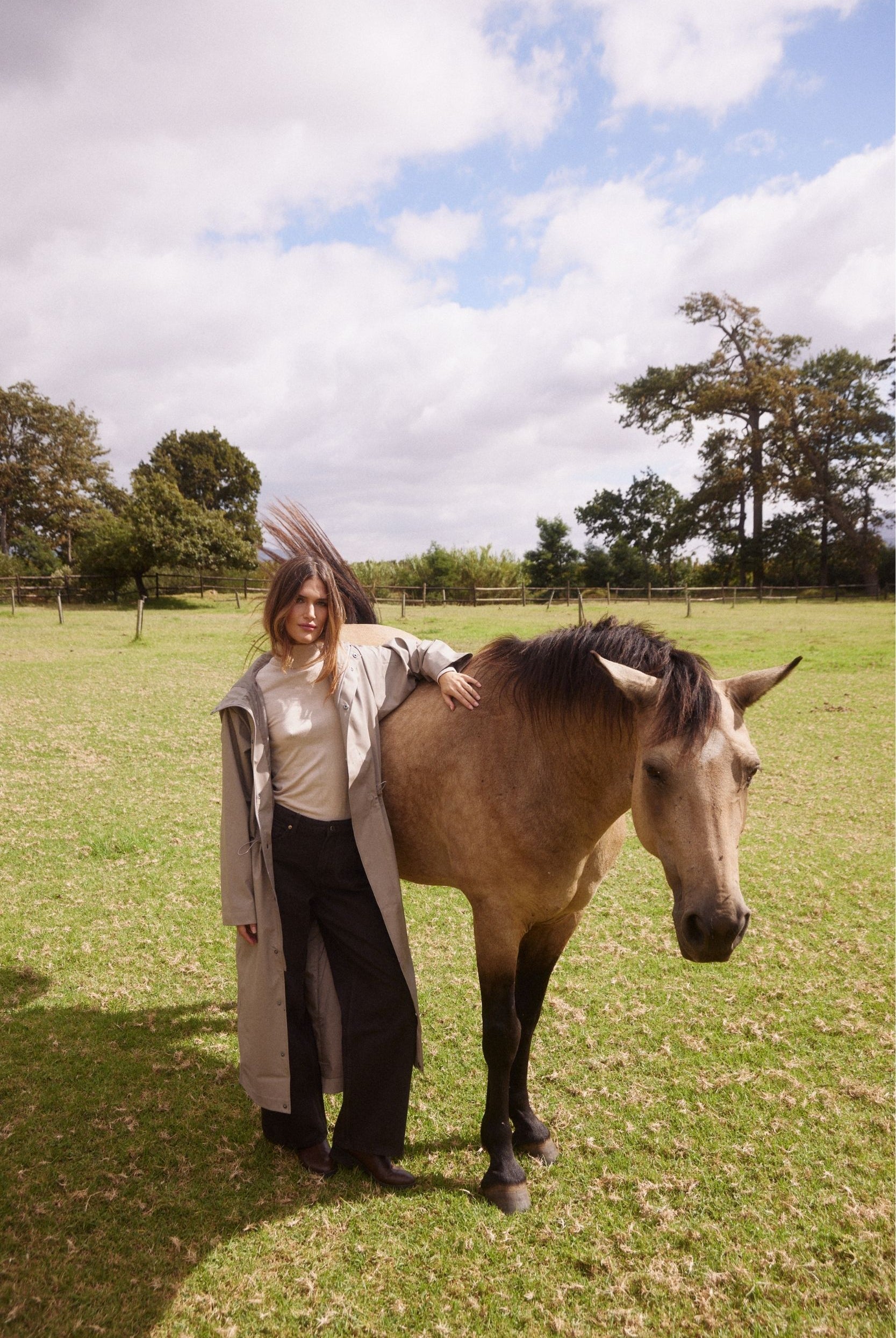
After weight, length is the next decision, because it determines how much of you stays dry when rain comes in sideways. A hip length jacket keeps your torso dry and leaves your legs exposed, which is fine if you move between a car and a door. A knee length coat covers the tops of the legs, and the longest styles, grouped together in the ankle length coats, protect nearly the whole leg and suit anyone standing at a platform or walking a full commute in Hobart or Canberra.

Building a wet weather outfit

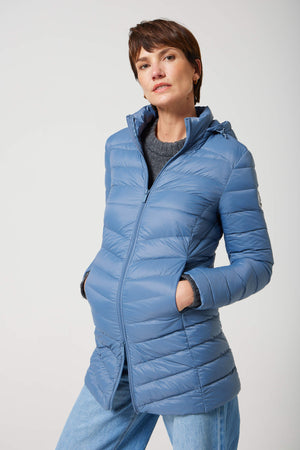
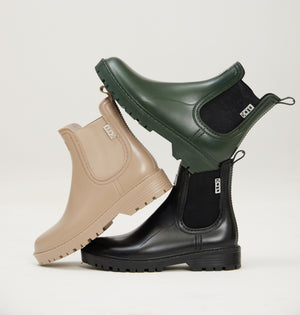
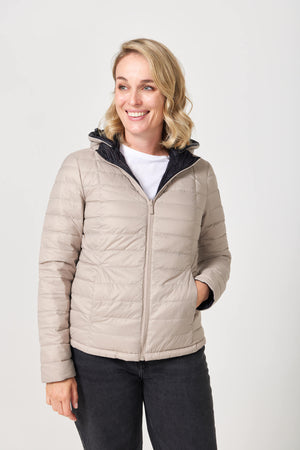
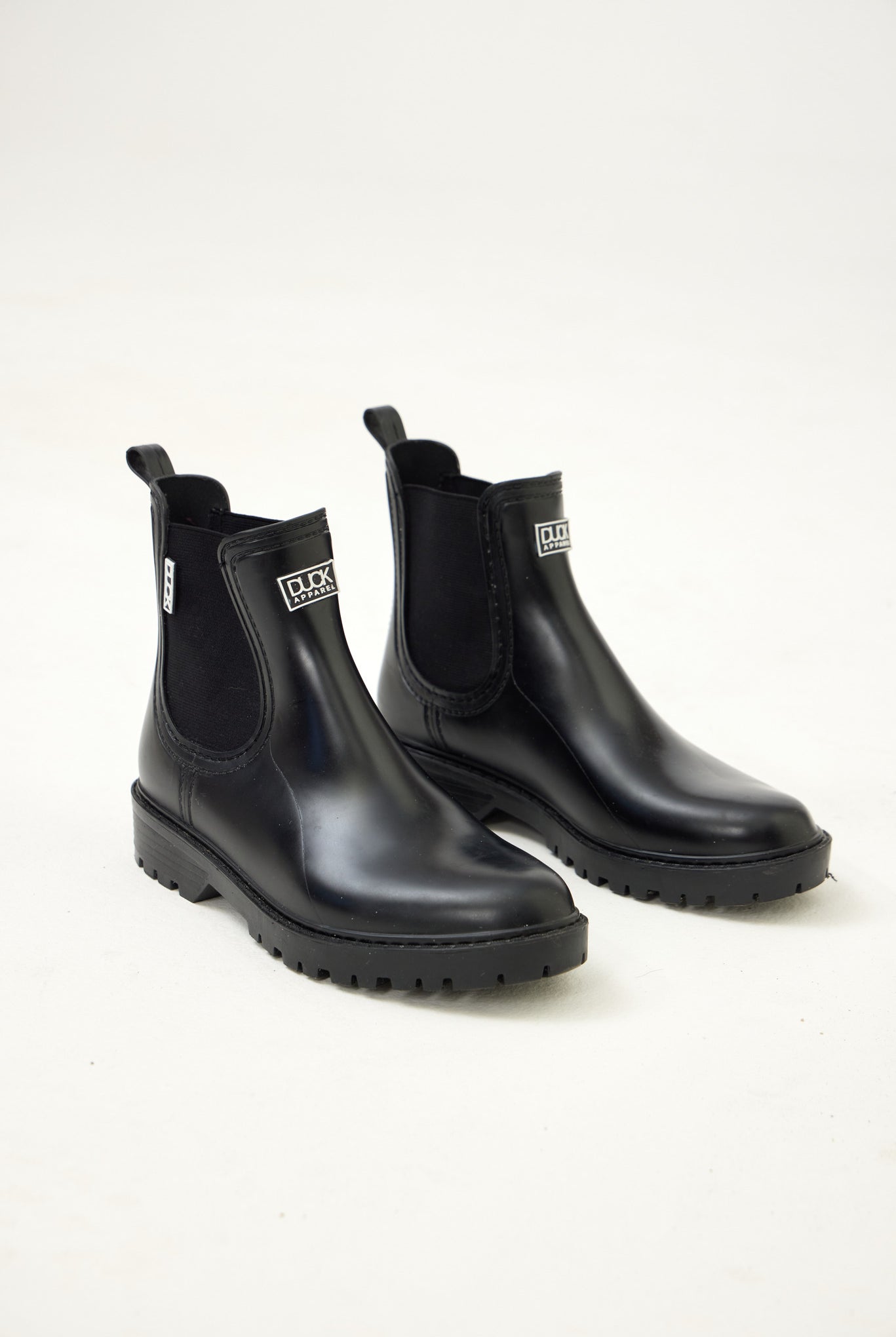
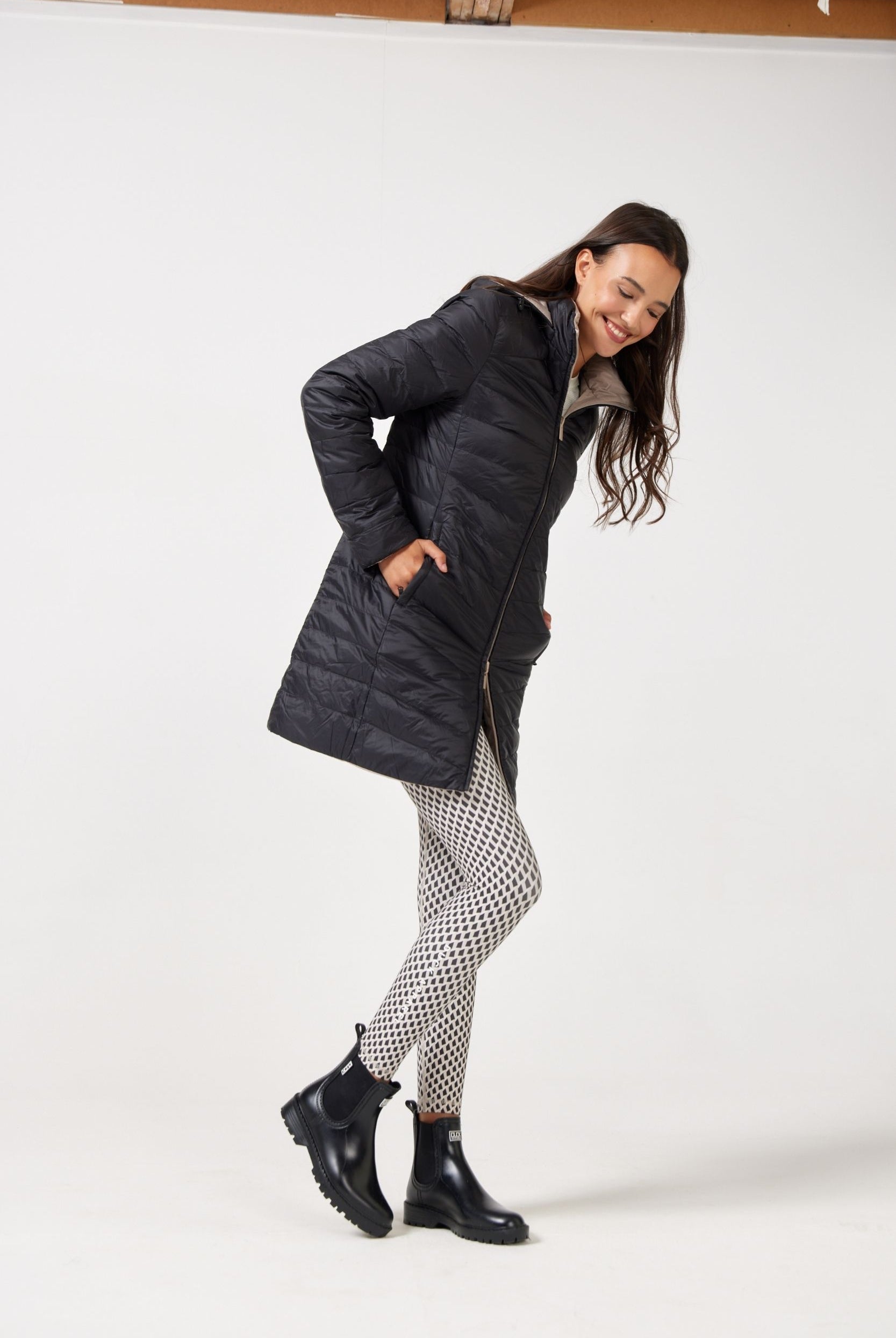
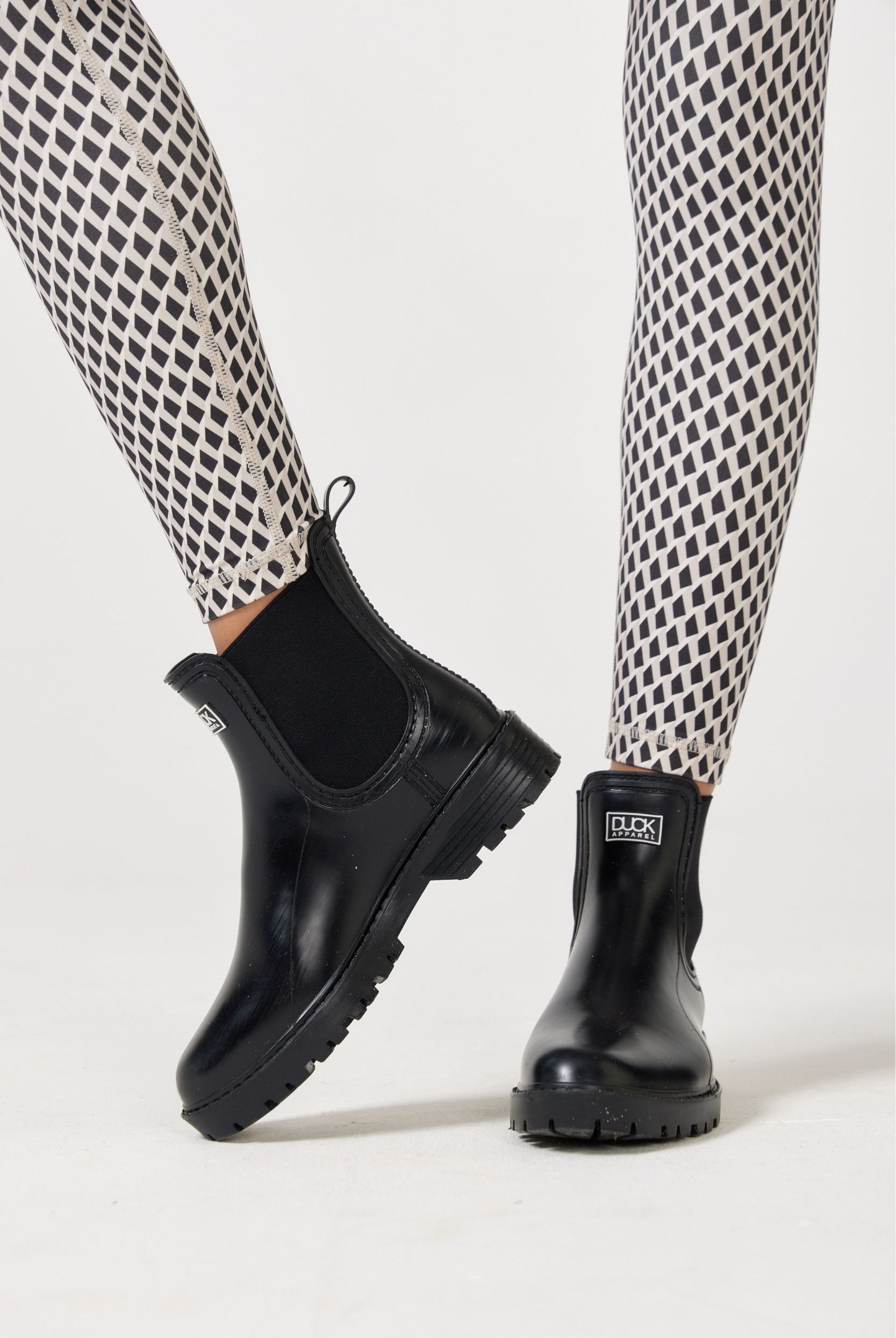
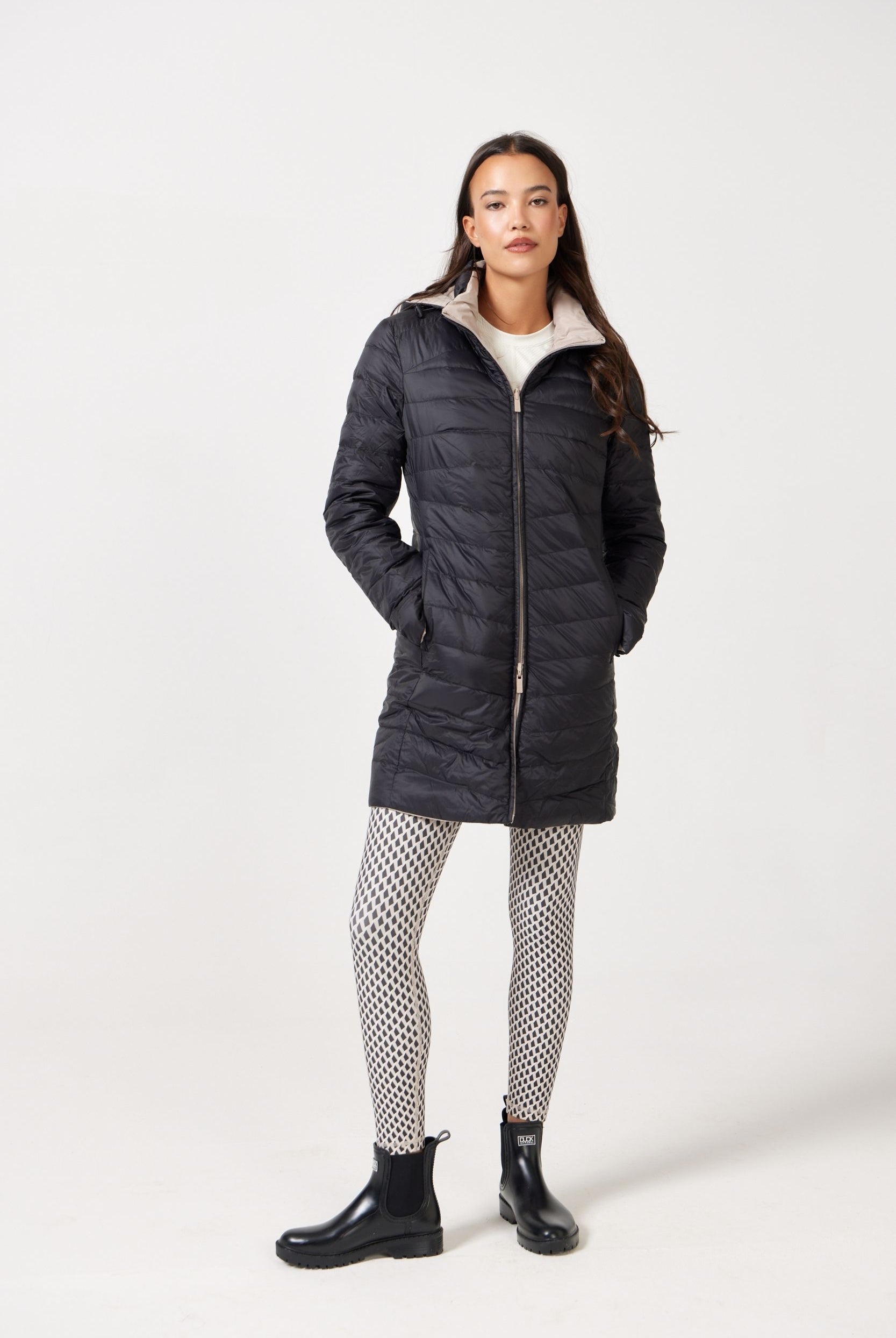
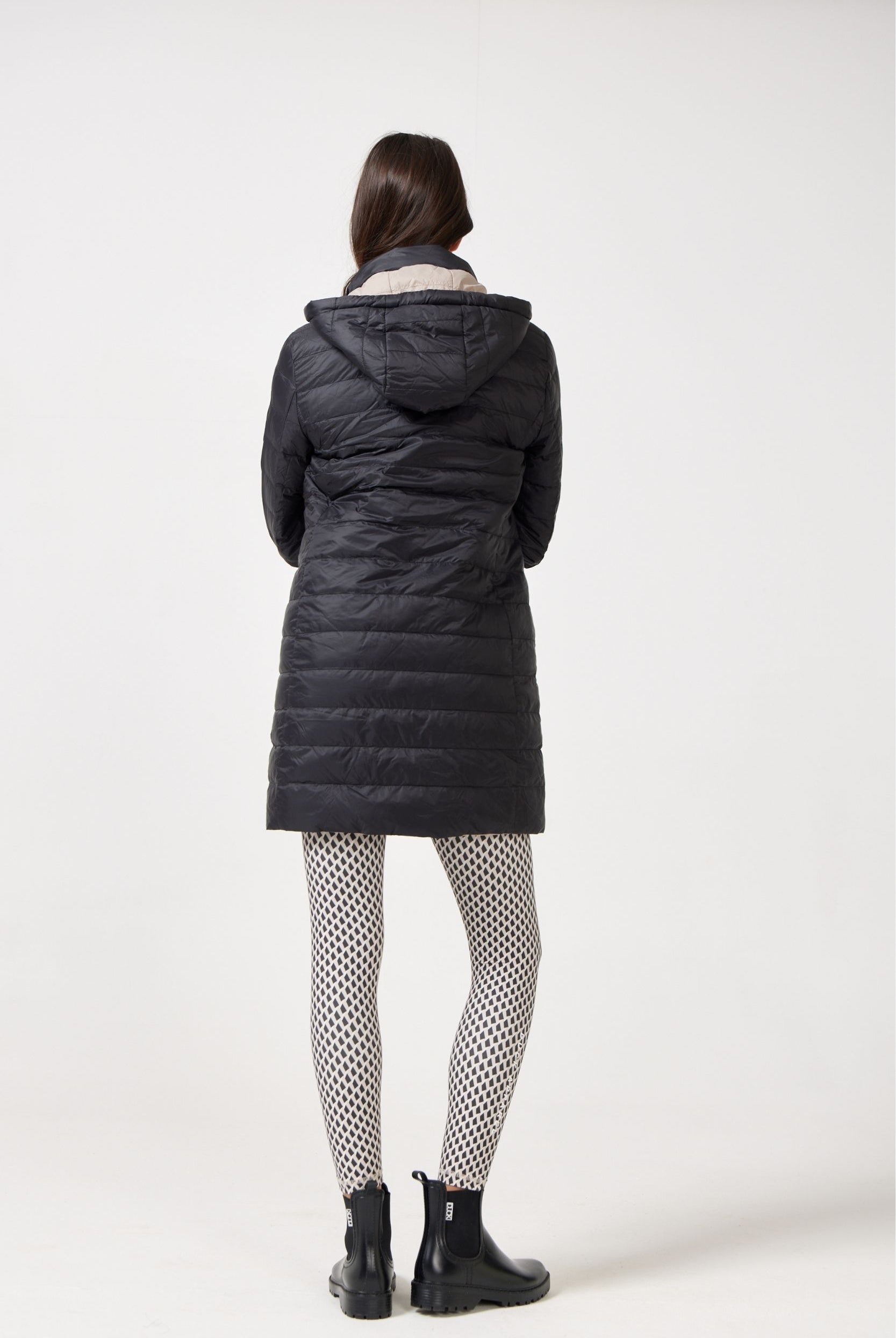
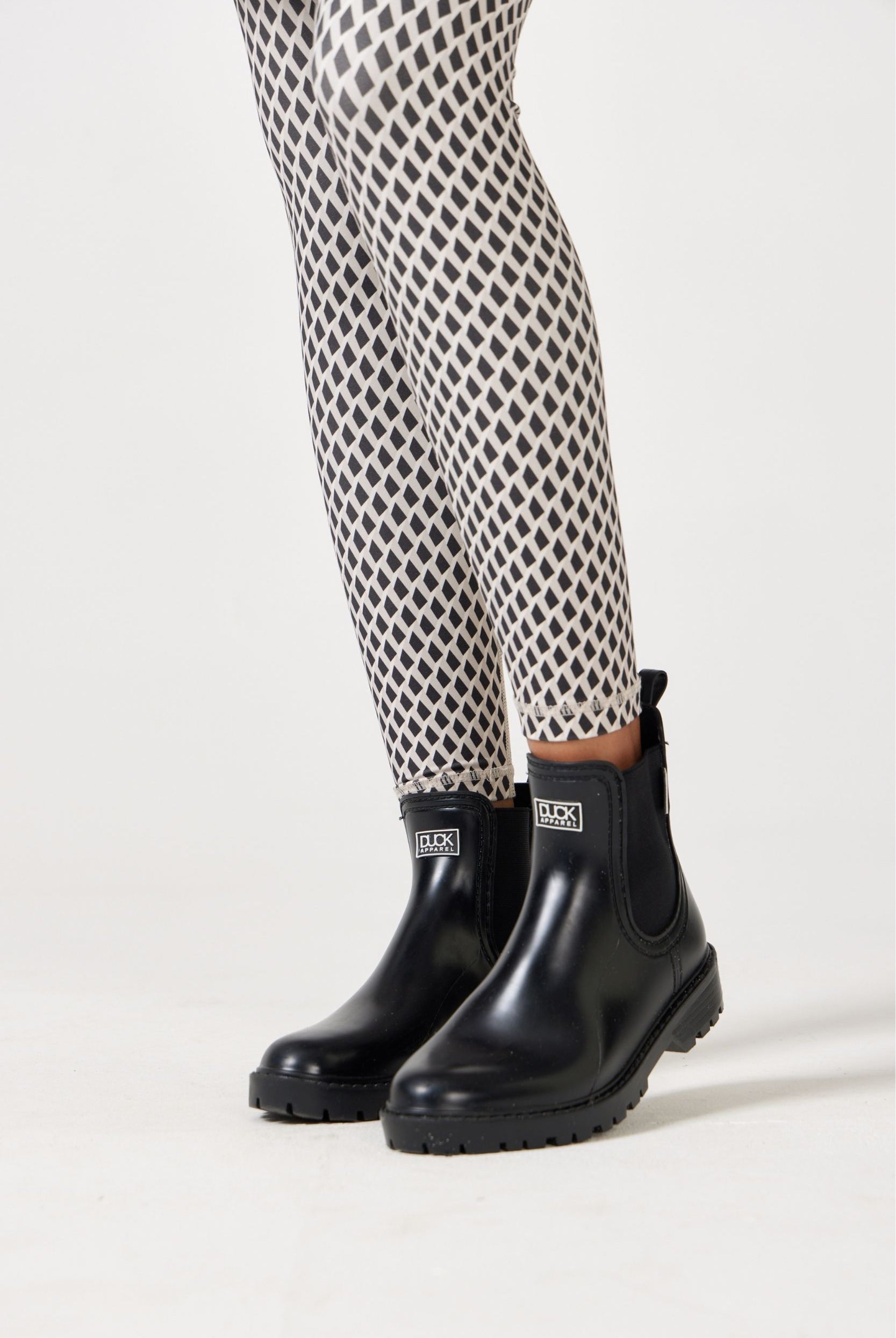
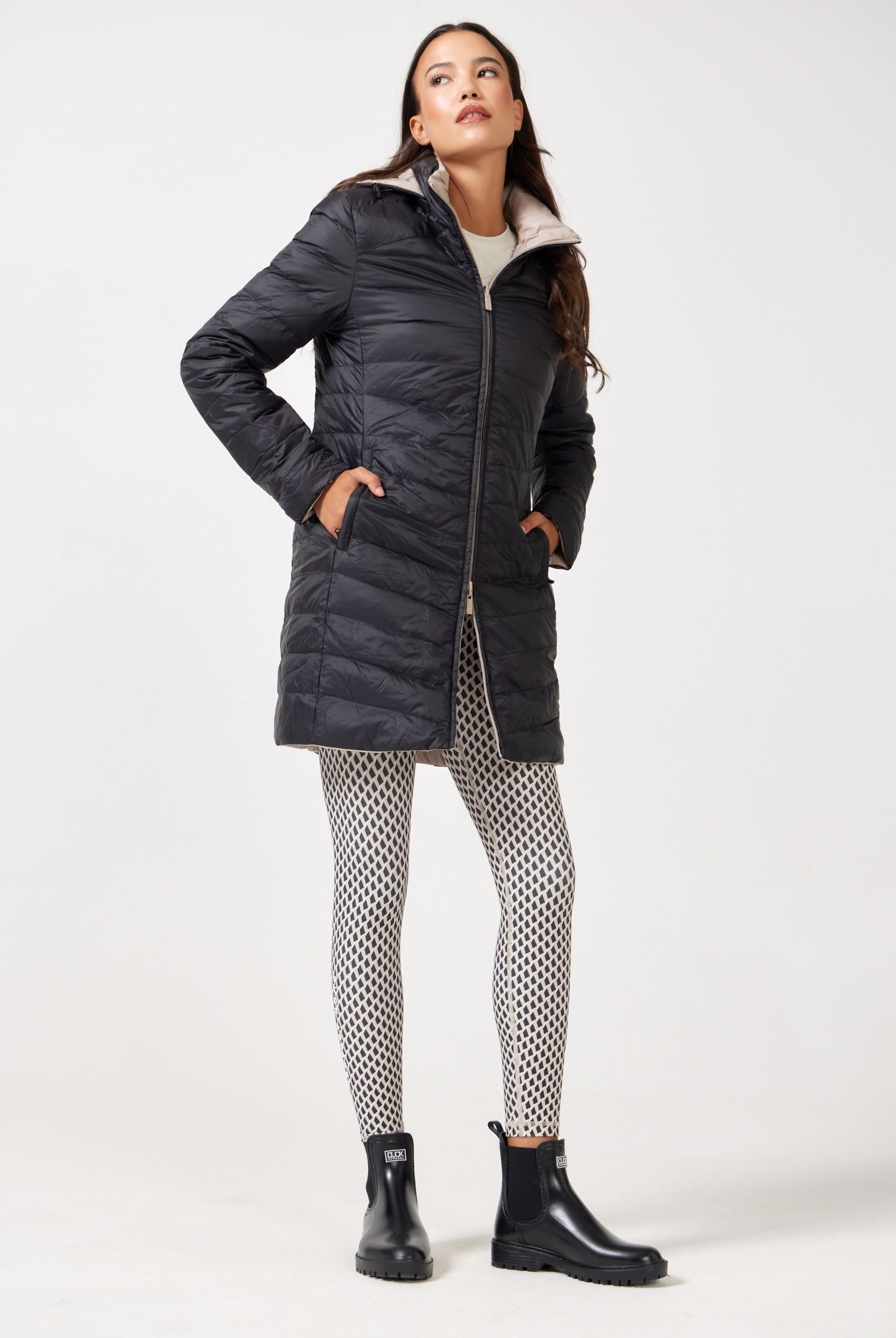
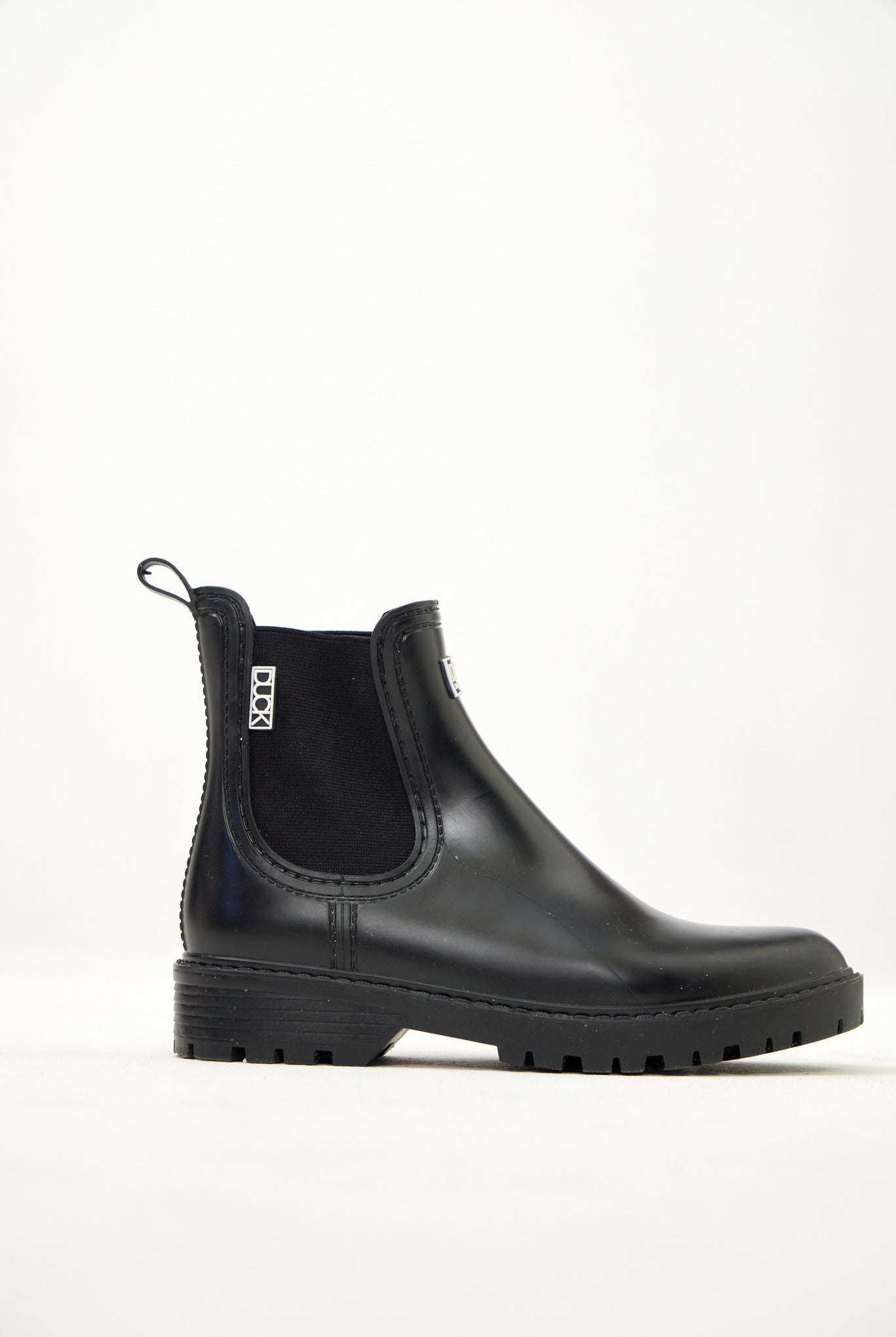
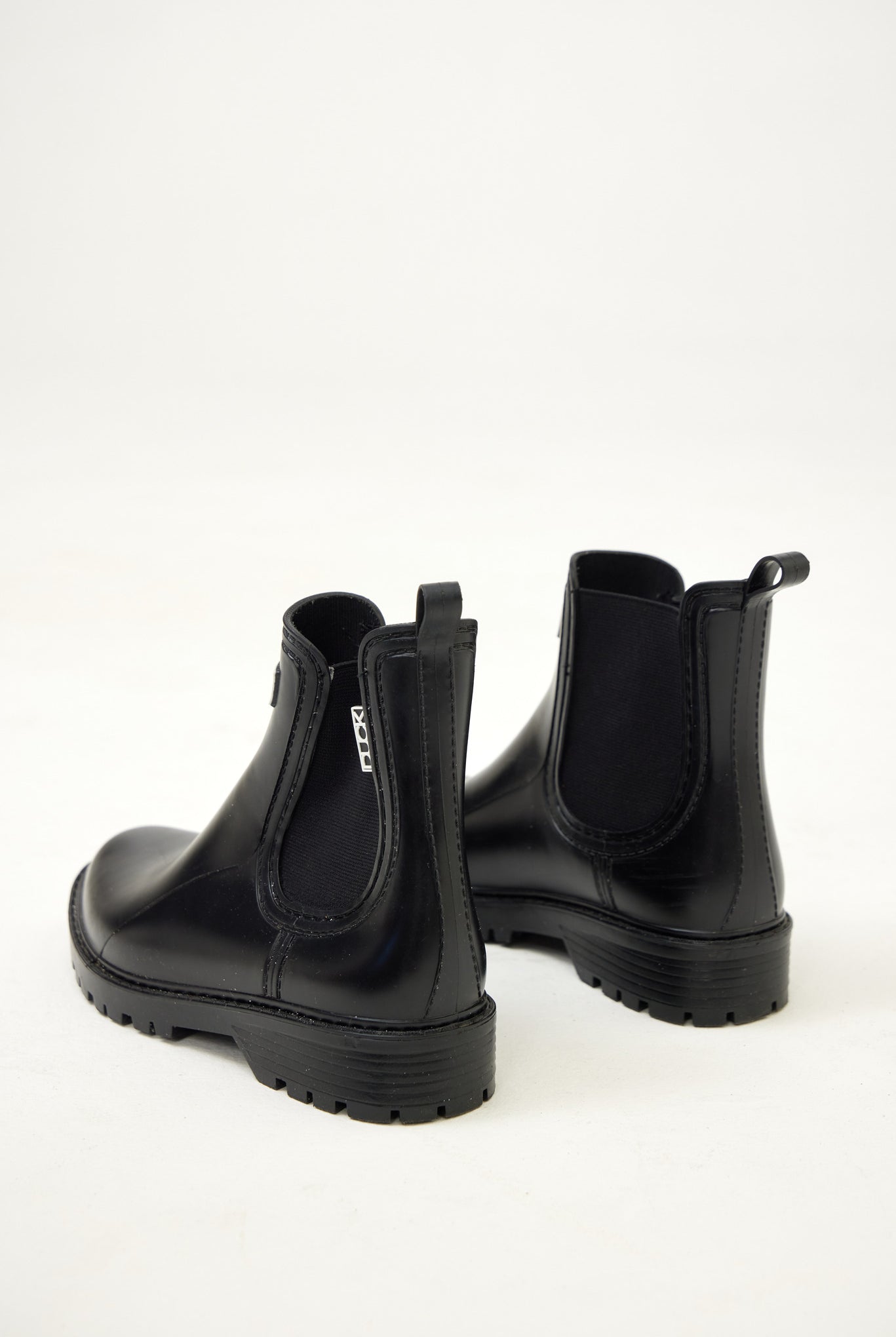
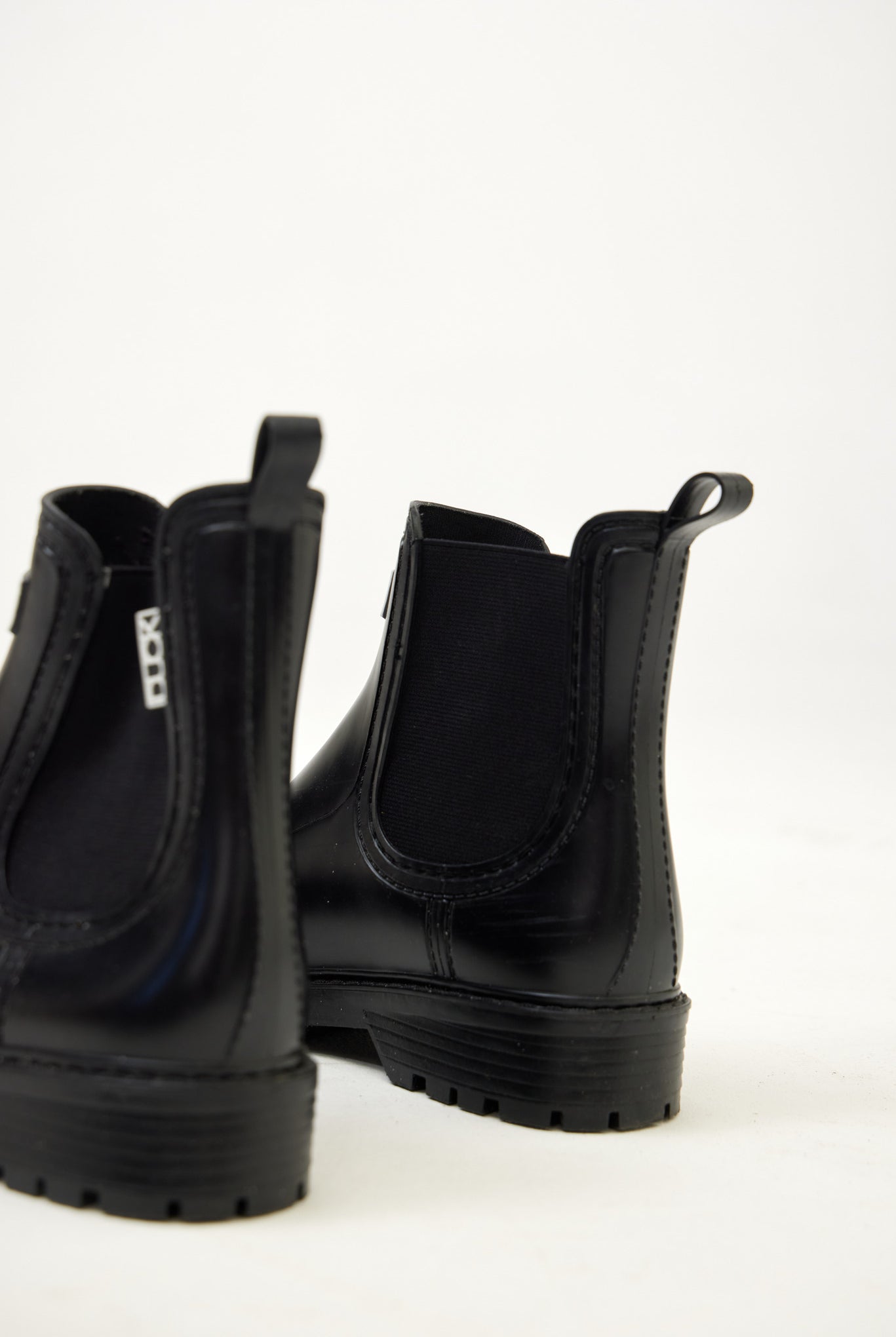
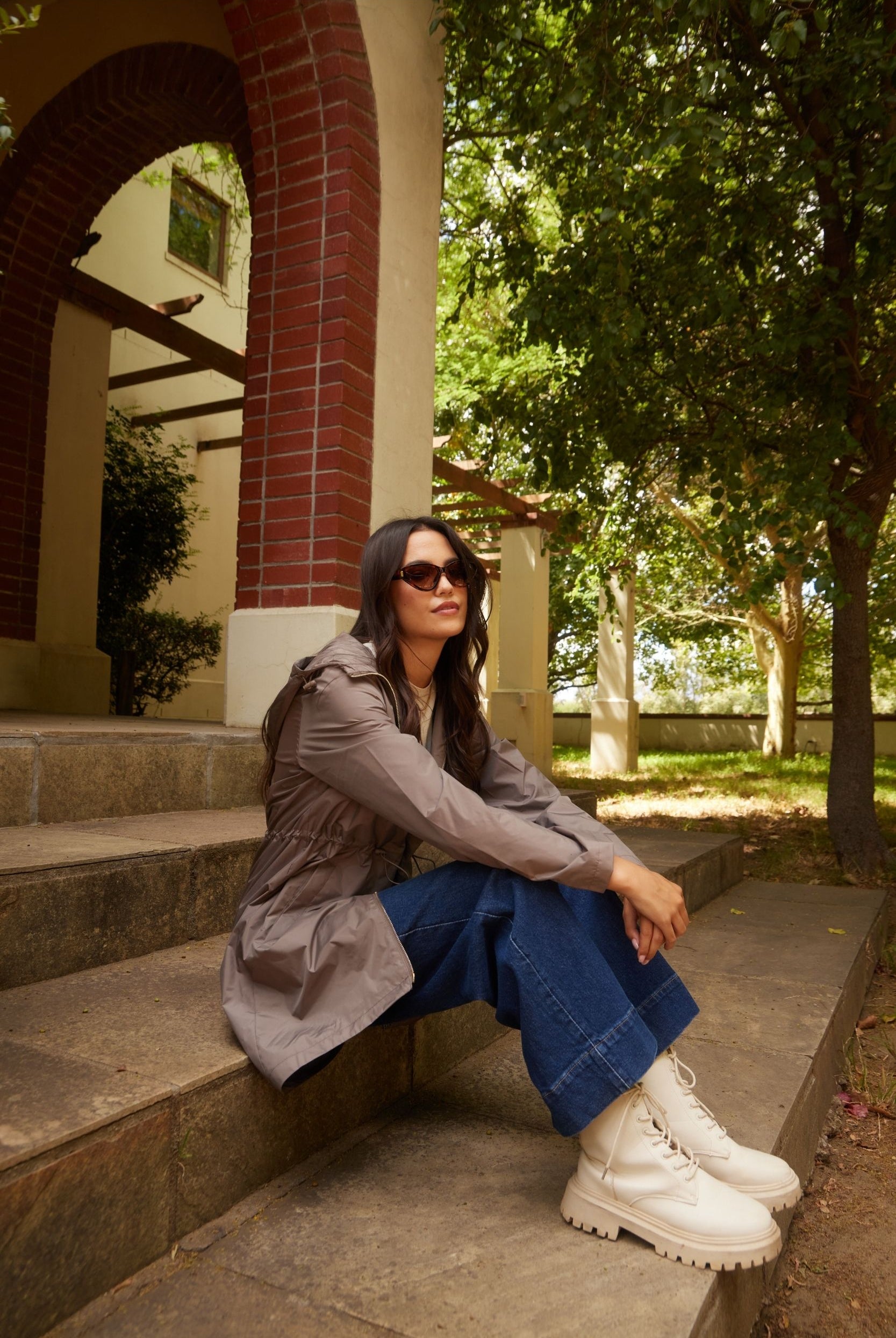
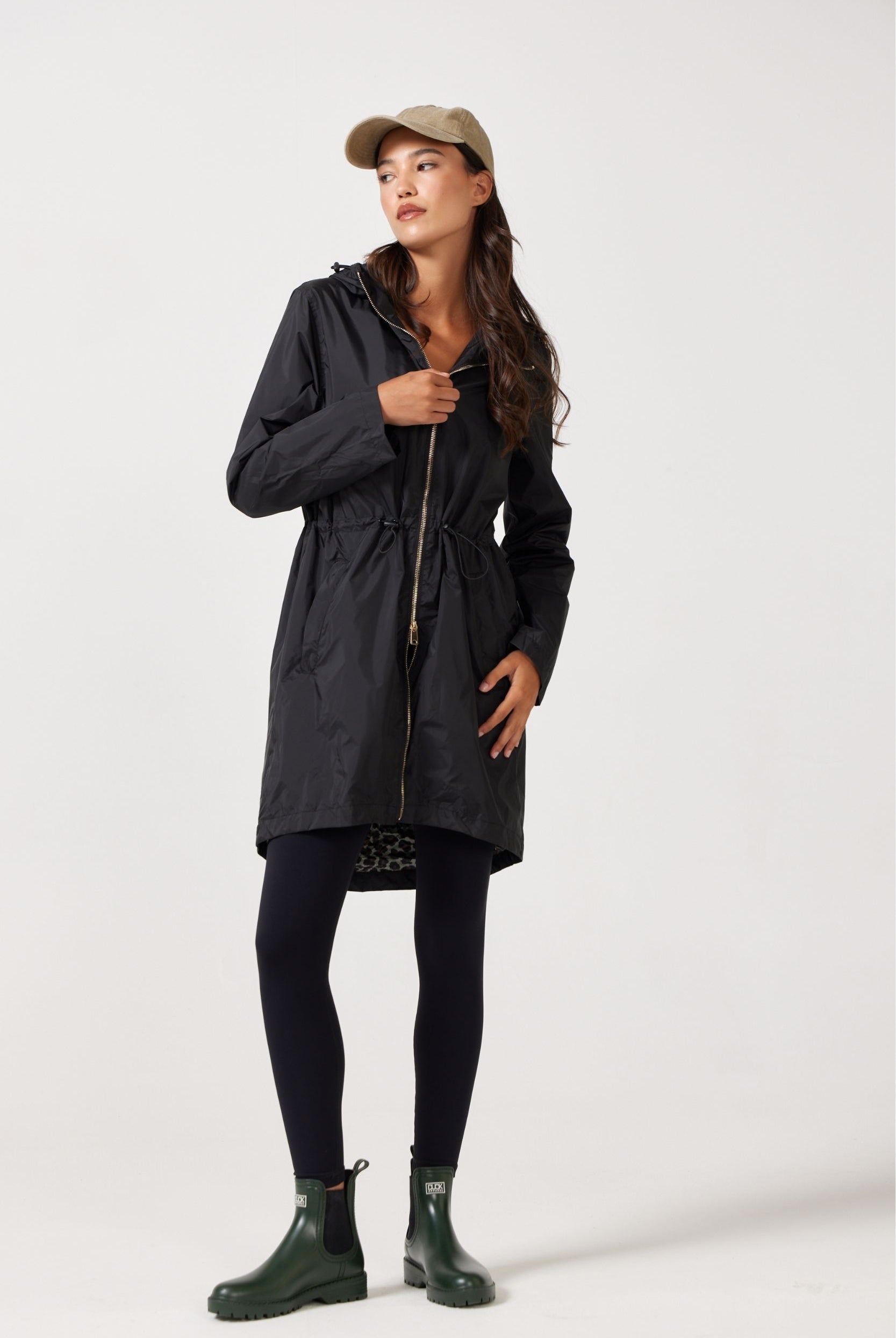
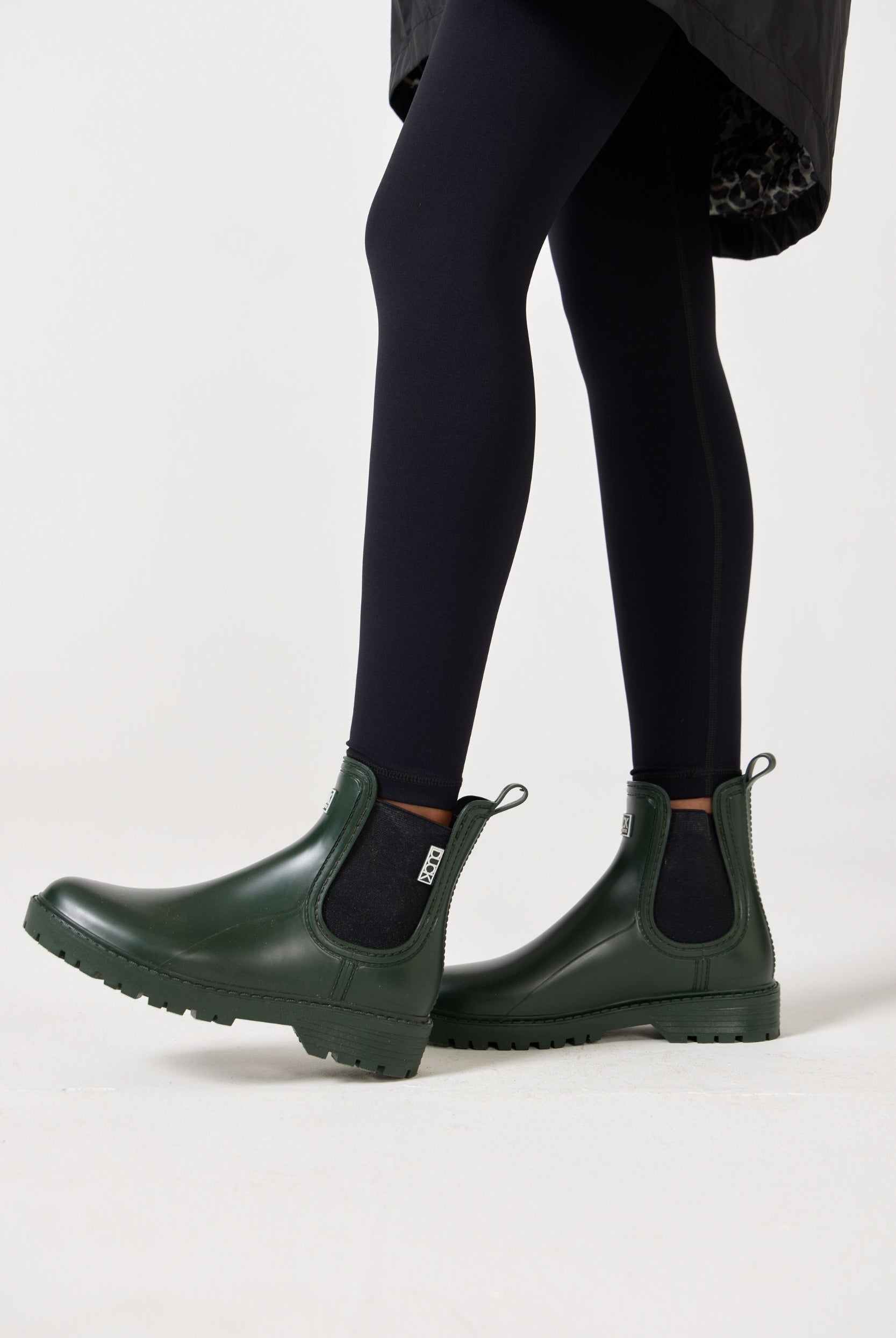
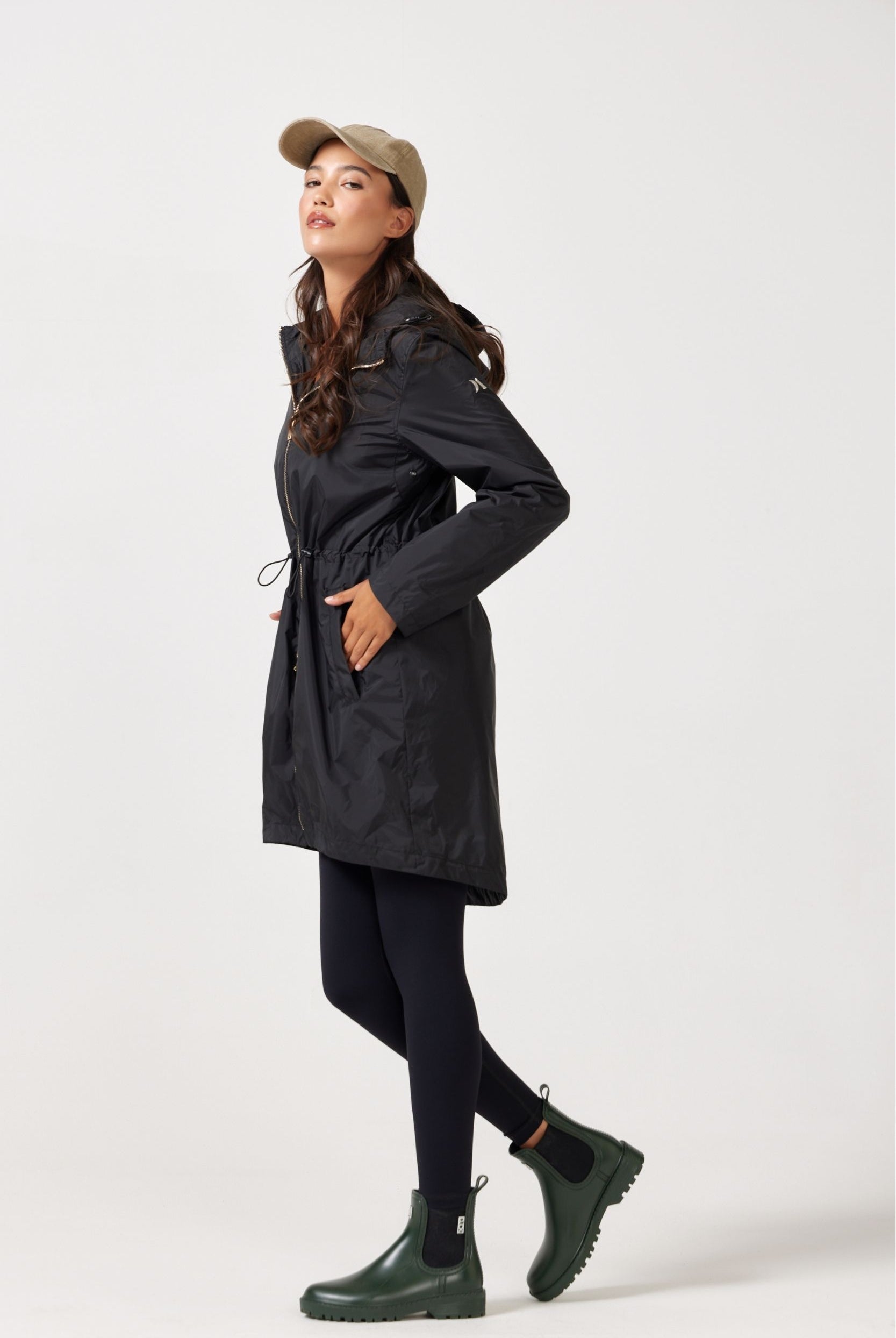
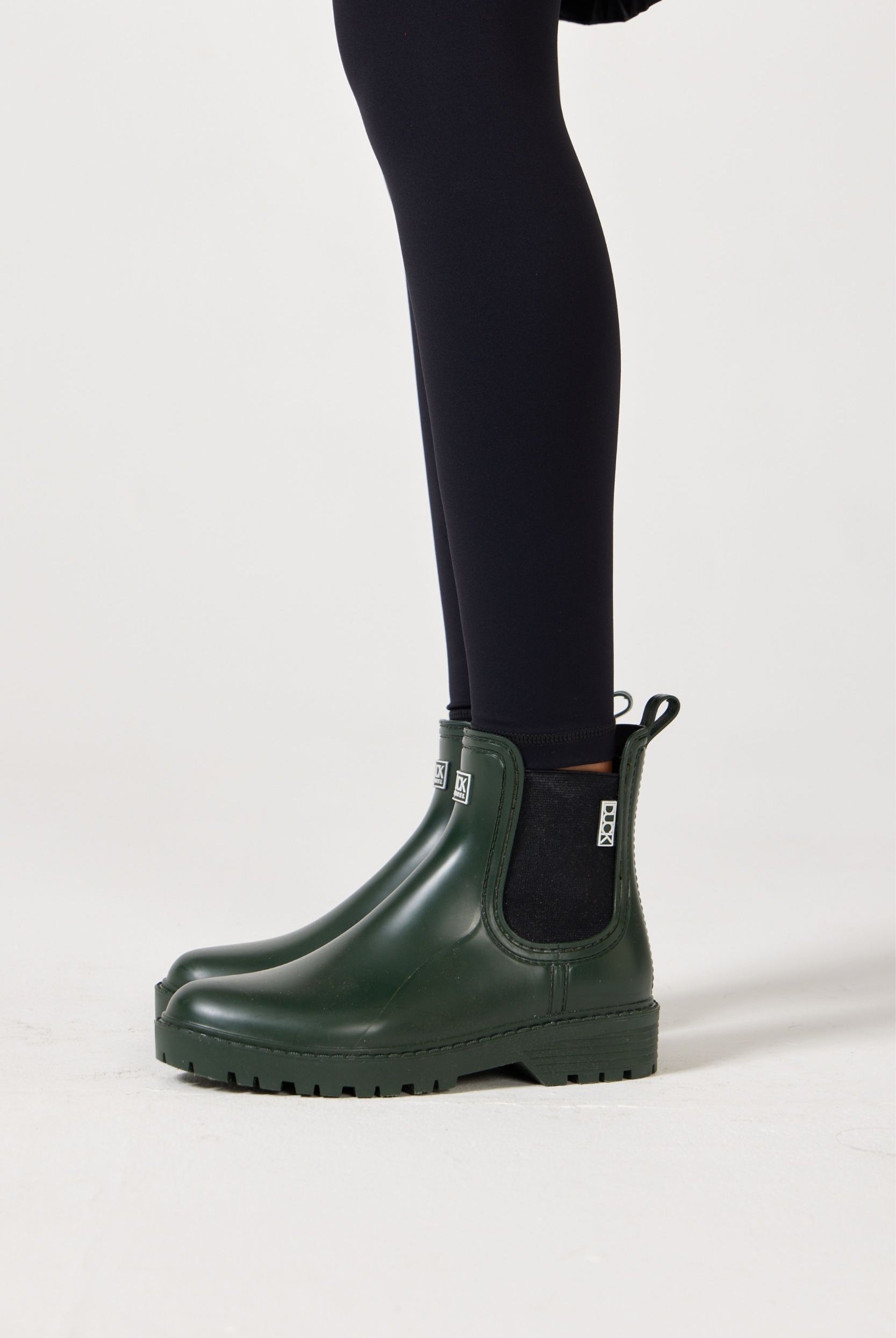
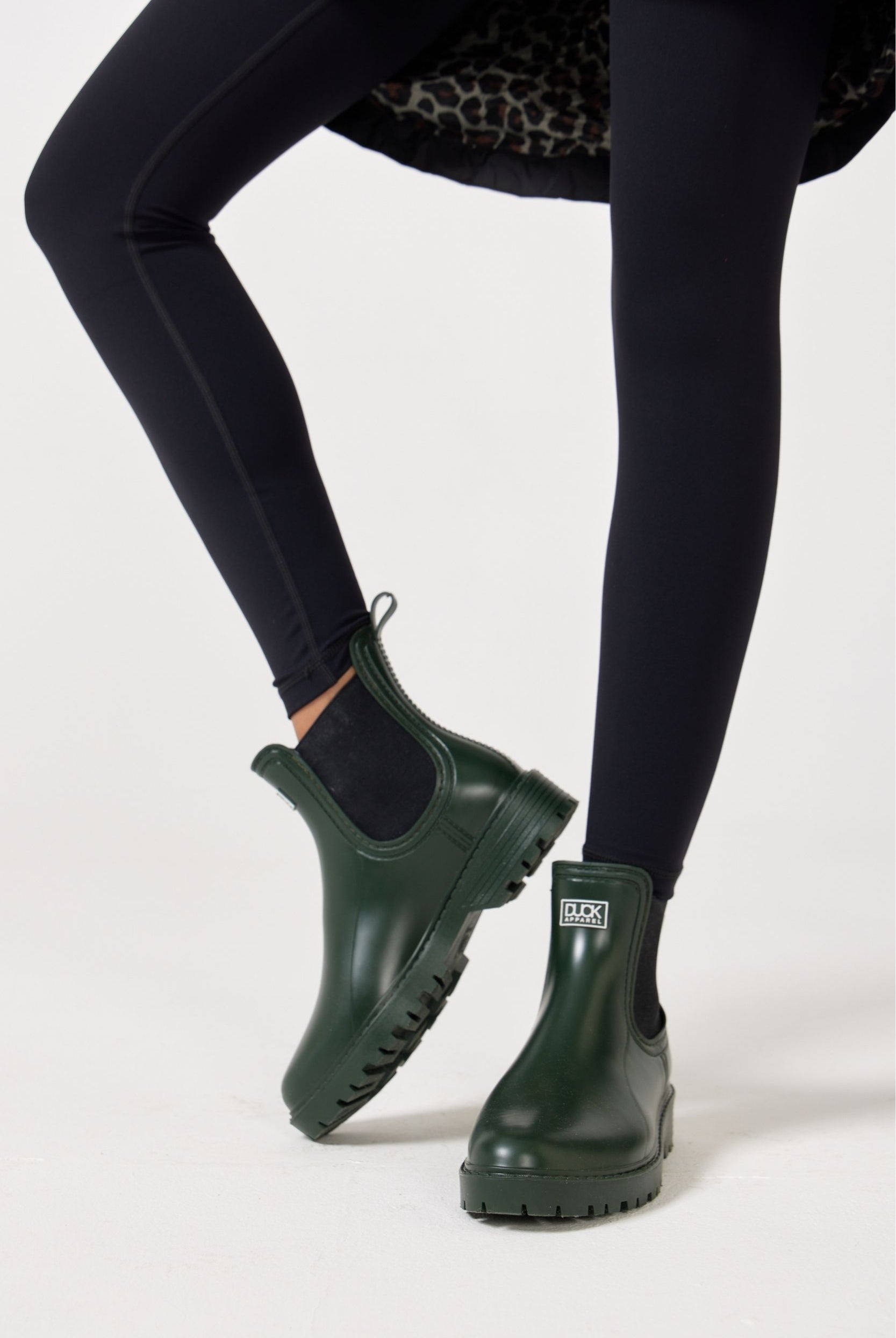
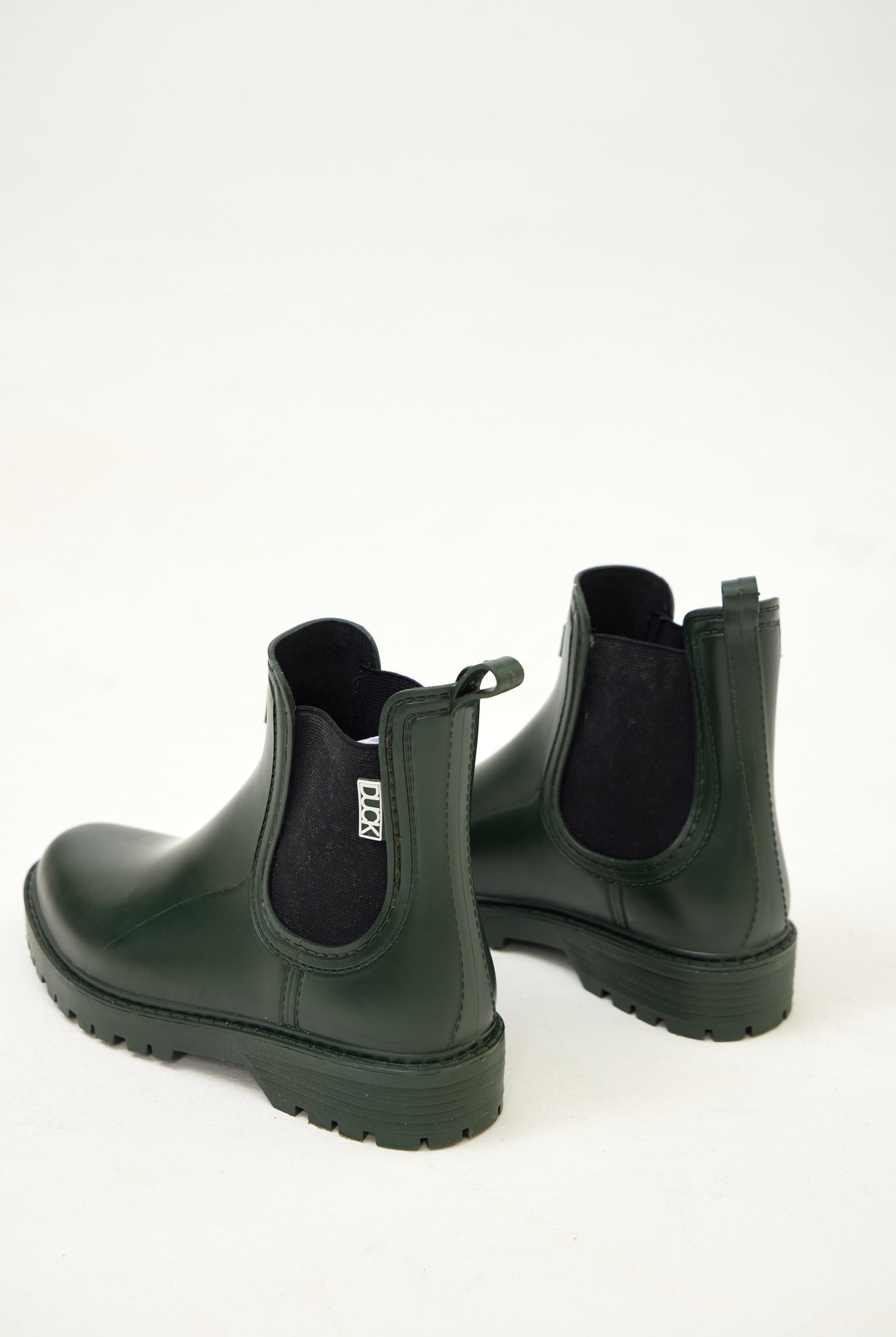
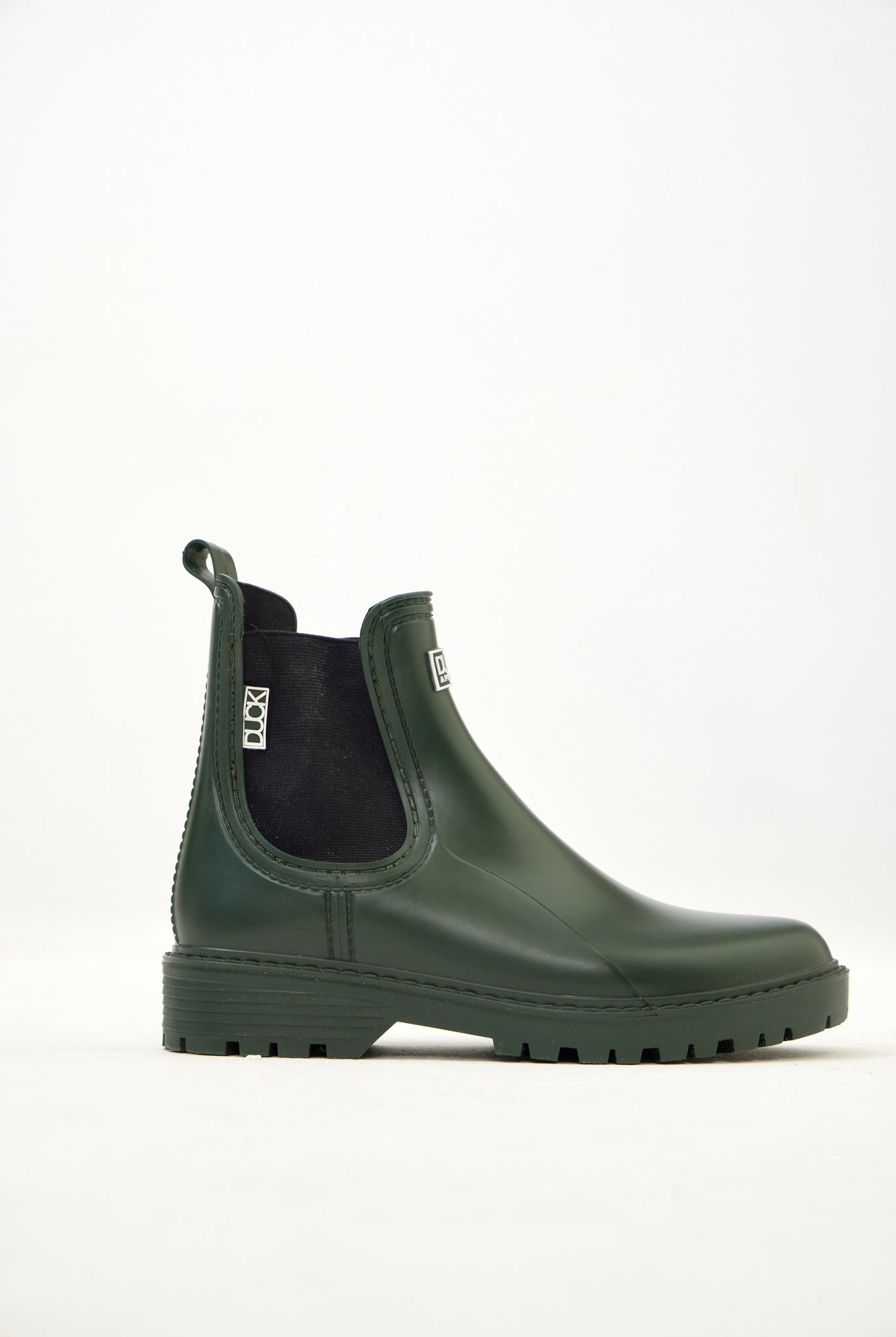
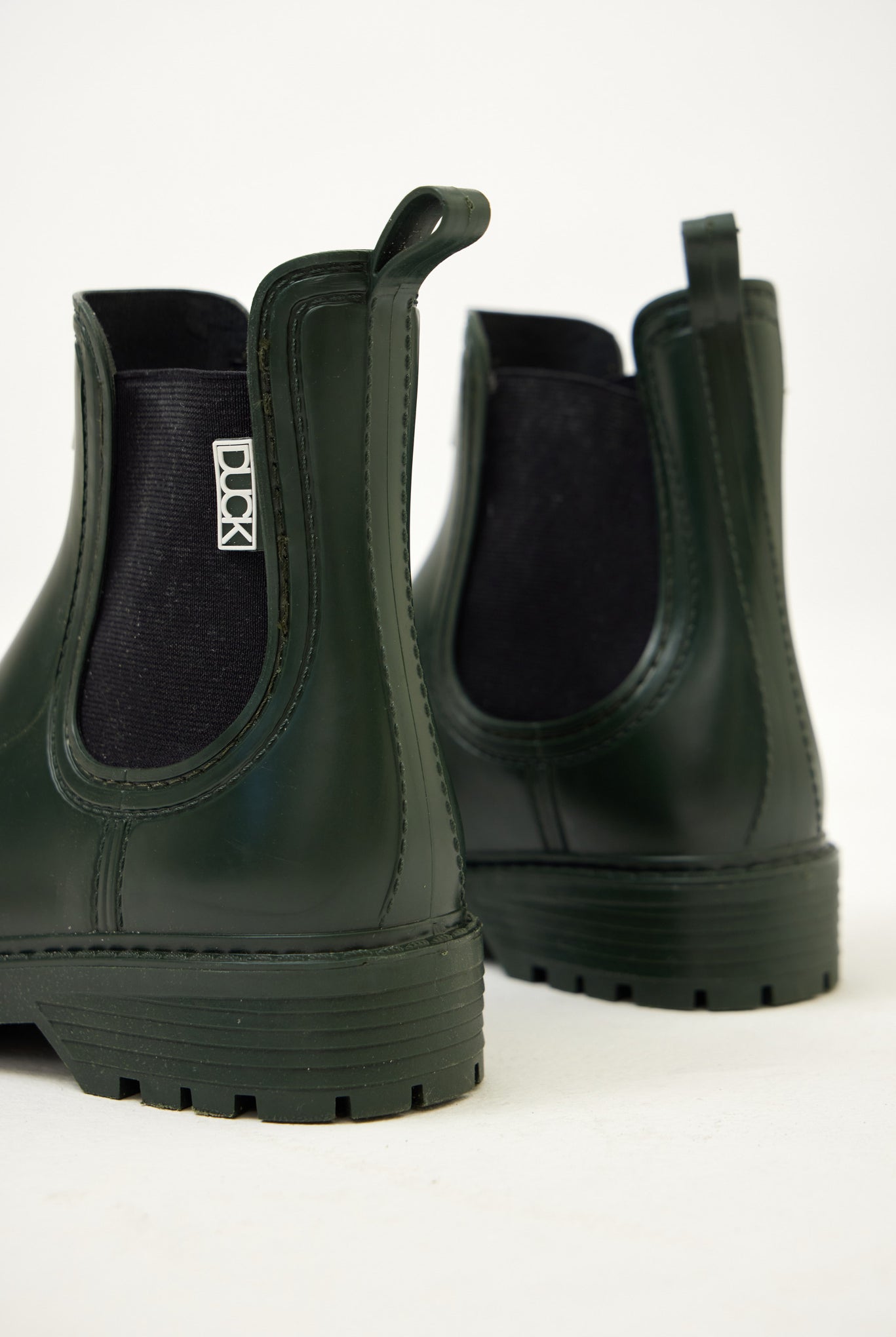
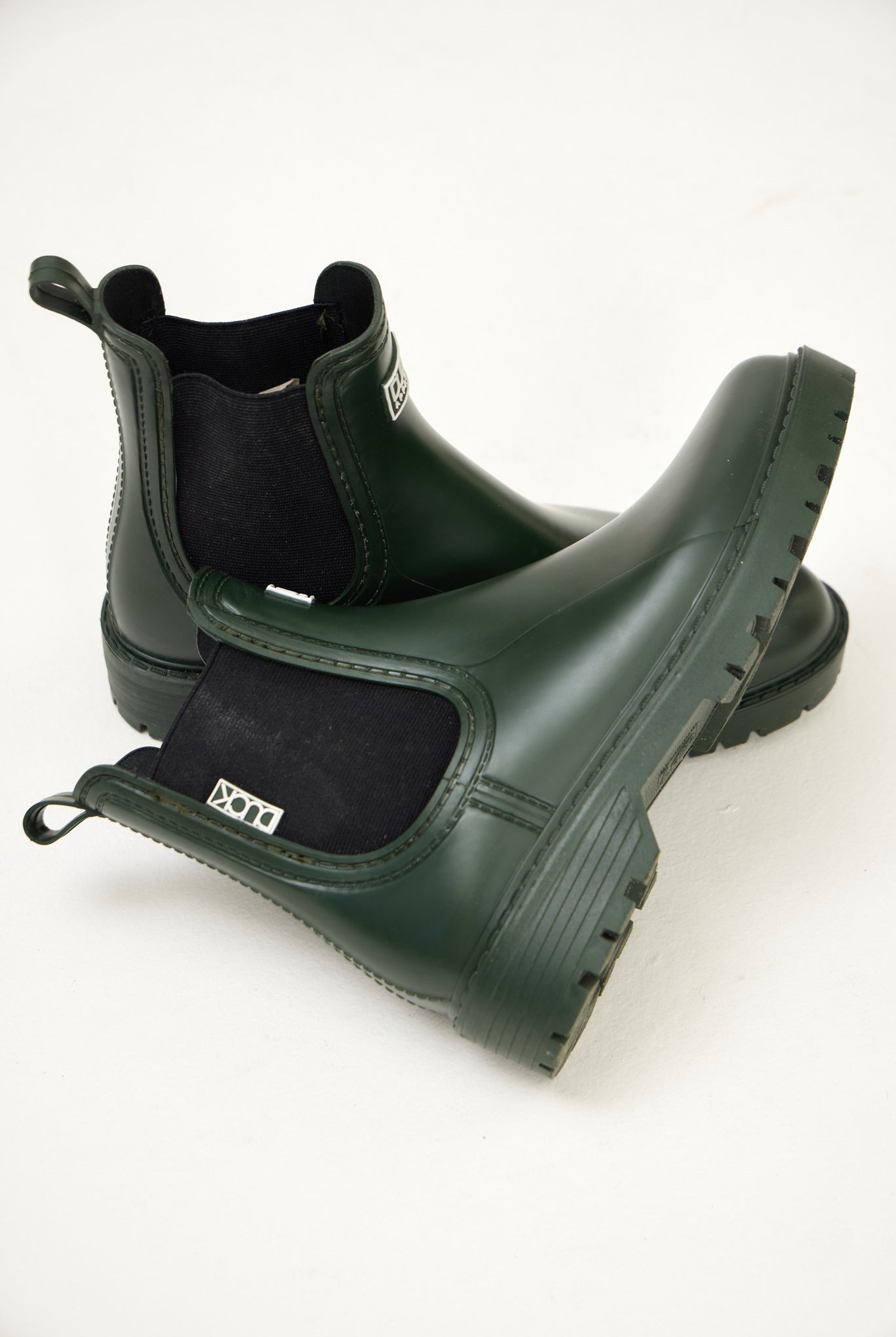
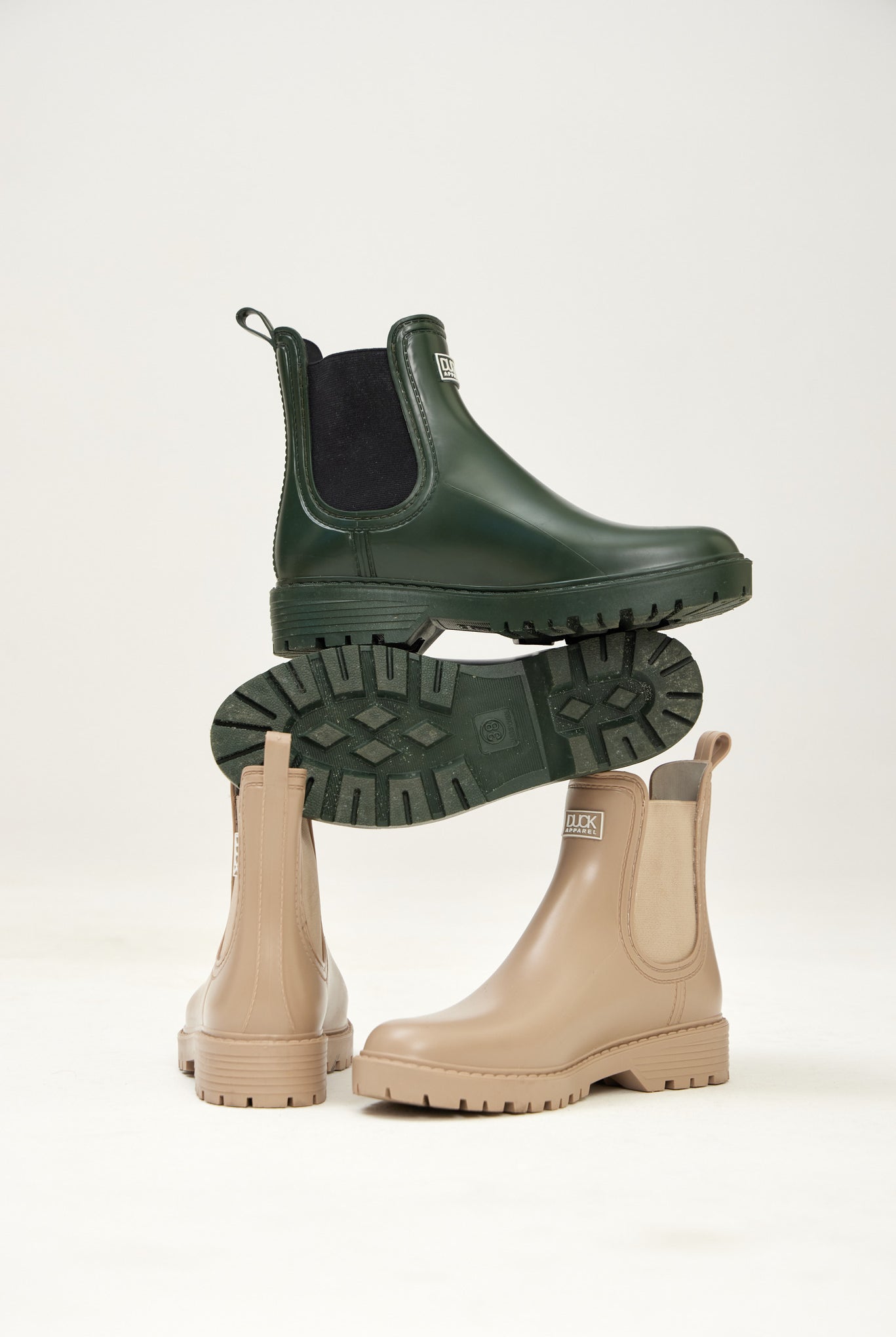
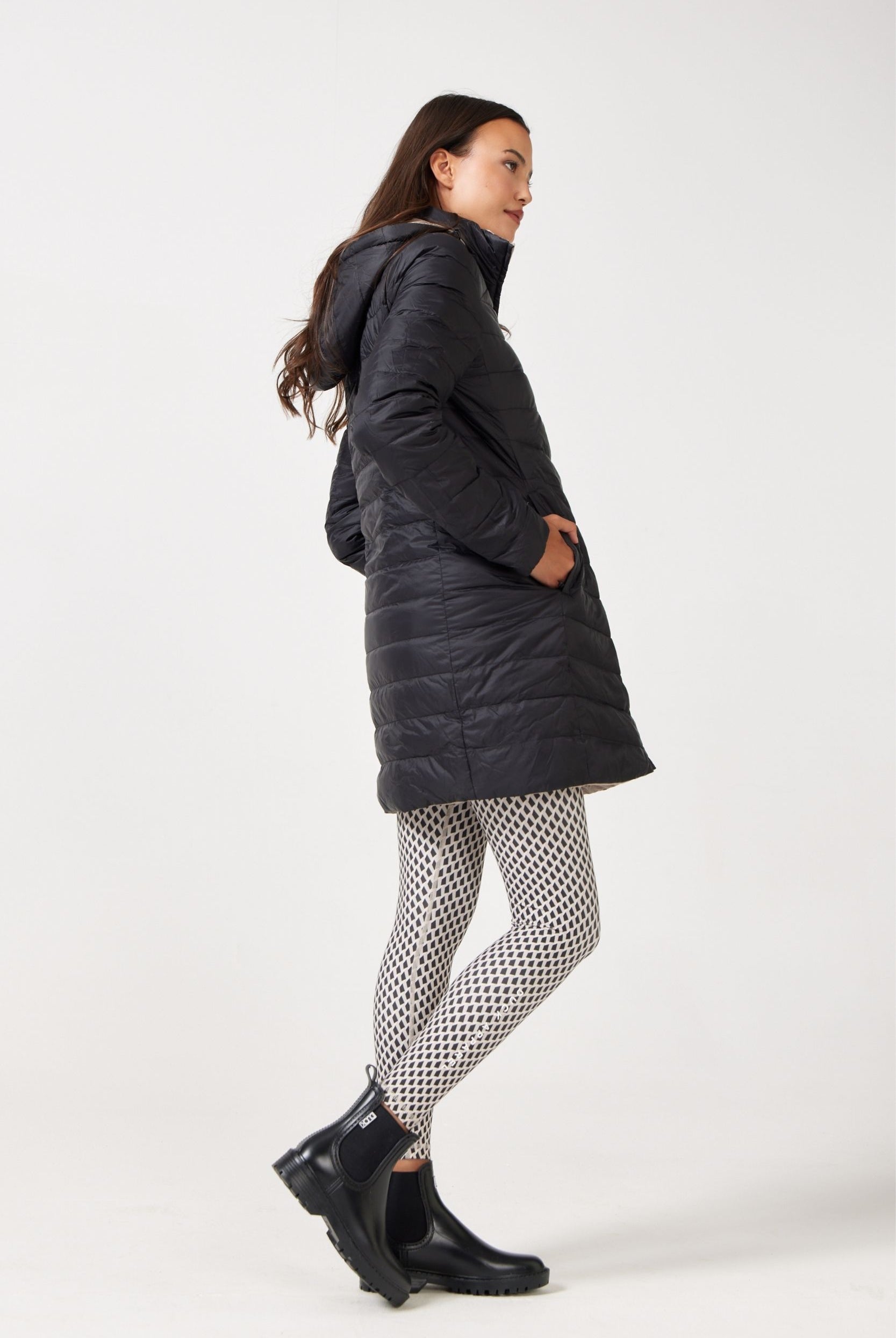
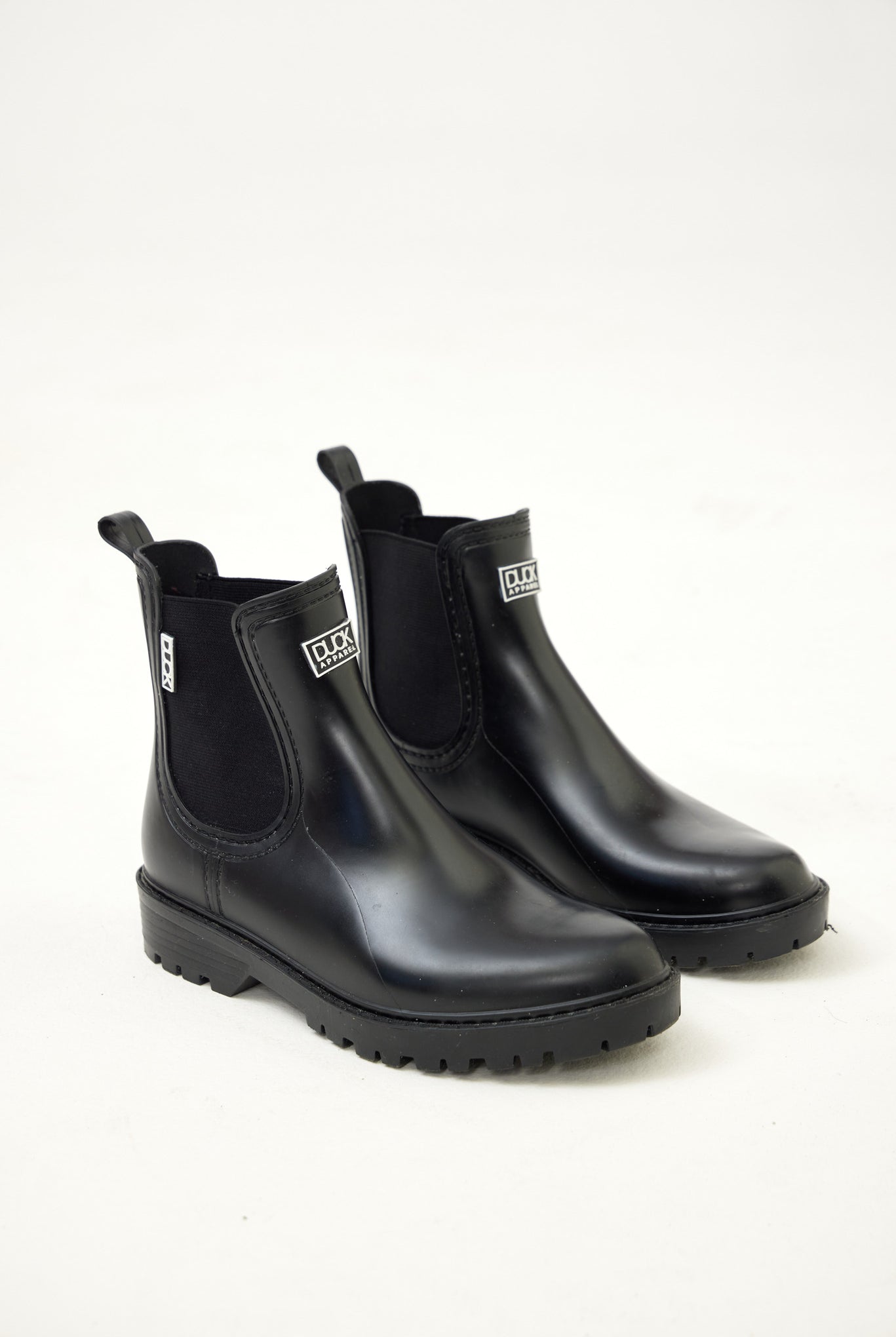
The practical setup for rain in Australia is a rain layer on top, warmth underneath and boots below. A trench such as The Regent Trench over a knit handles a cool, wet day in Melbourne. A lighter jacket such as The Oxford Blue or The Juniper suits a mild, showery morning in Sydney or Brisbane. Rain boots in Biscuit, Ink or Ivy finish the outfit when the ground is as wet as the air. After a soaking, hang each piece by the shoulders in moving air rather than packing it away damp.
Frequently Asked Questions

What does Duck Apparel include in its rainwear collection?

The Duck Apparel rainwear collection in Australia brings together the coats, jackets and boots made for wet weather, including The Regent Trench, The Landmark Trench, The Highland Midnight, The Oxford Blue and the Biscuit, Ink and Ivy Rain Boots. It is organised by weather rather than by garment type. That lets you compare a light shower layer against a full length coat on the same page.

How do I choose between a light rain layer and a heavier one?

Choose a light rain layer for showers and damp, mild air, and a heavier one for cold air and rain arriving together. The deciding question is whether you need warmth as well as water protection. If you are outside for long stretches on a winter morning in Melbourne, Canberra or Hobart, the heavier option is the one that gets worn.

Is rainwear a winter purchase in Australia?

Rainwear is a year round purchase in Australia because the wet season differs by city. Sydney and Brisbane get their heaviest rain in the summer storm months of December to February. Perth, Adelaide, Melbourne and Hobart get most of theirs across the cooler months, roughly May to September.

What length rain coat should I buy?

Buy a hip length rain jacket if you mostly move between a car and a building, and a longer coat if you walk or wait outdoors. Longer coats keep rain off the tops of the legs, which is where most people get wet in wind driven rain. The longest styles suit commuters and anyone spending real time on a platform or footpath.

Can rainwear be worn in the snow?

A rain layer is designed to keep water out, not to insulate, so it is not a substitute for a proper cold weather coat in the alpine regions. It can work as an outer shell over a warm layer on a wet, mild day. For sustained cold in Tasmania, Canberra or the snow fields, choose insulation first and treat water protection as the second requirement.

Do rain boots belong with rainwear?

Rain boots belong with rainwear because wet ground is a separate problem from wet air, and a coat cannot solve it. The Biscuit, Ink and Ivy Rain Boots are listed alongside the coats and jackets for exactly that reason. Pairing a rain coat with rain boots is what keeps a wet commute or a muddy weekend genuinely comfortable.

How do you care for rainwear?

Hang rainwear by the shoulders in moving air after a wet day instead of folding it away damp. Bundling a wet coat into a bag or a cupboard is what causes odour and shortens its life. Follow the specific care instructions on each garment label, since a rain layer and a knit do not want the same treatment.