Rain Boots

Filters
Sort by

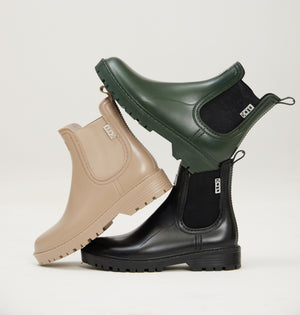
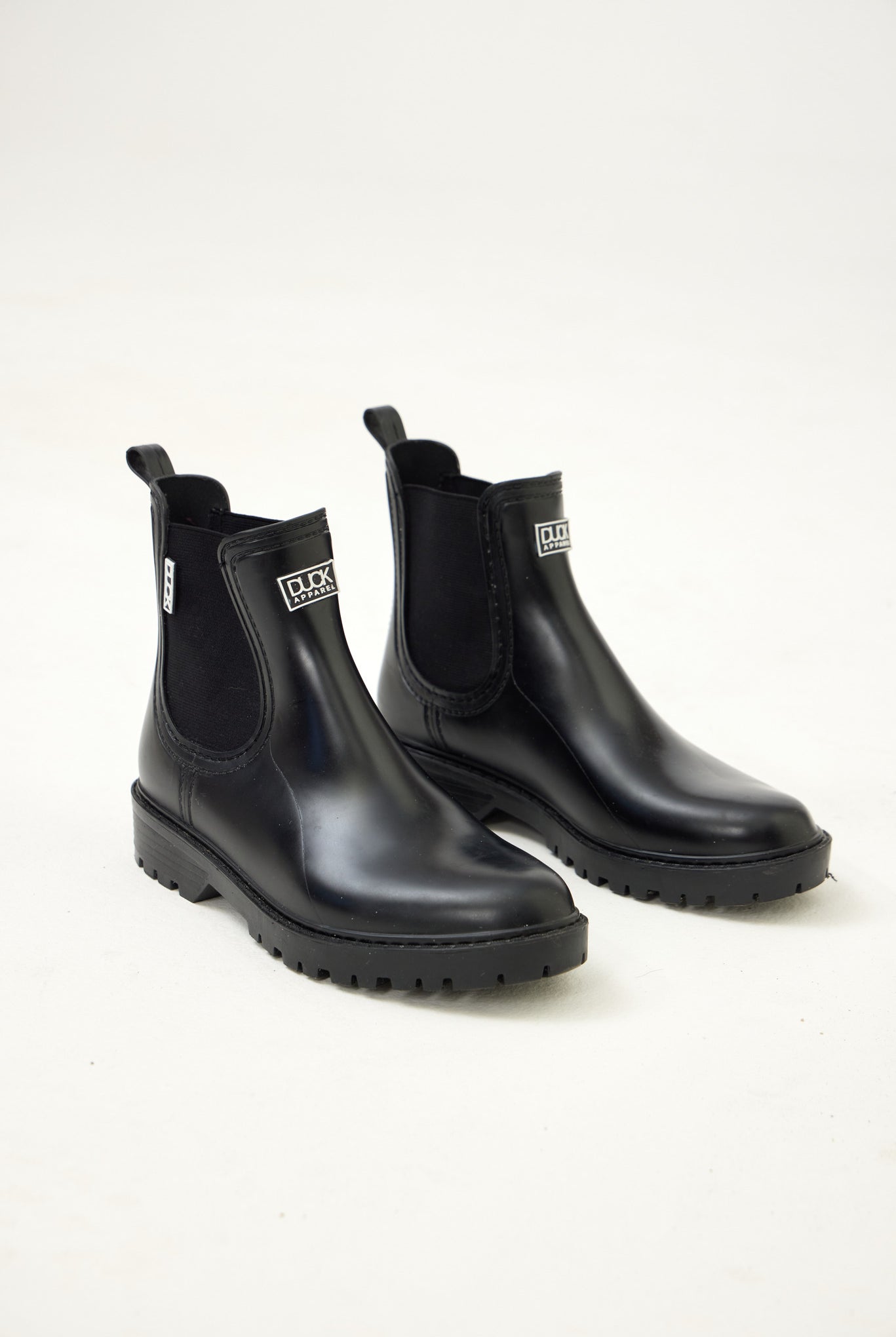
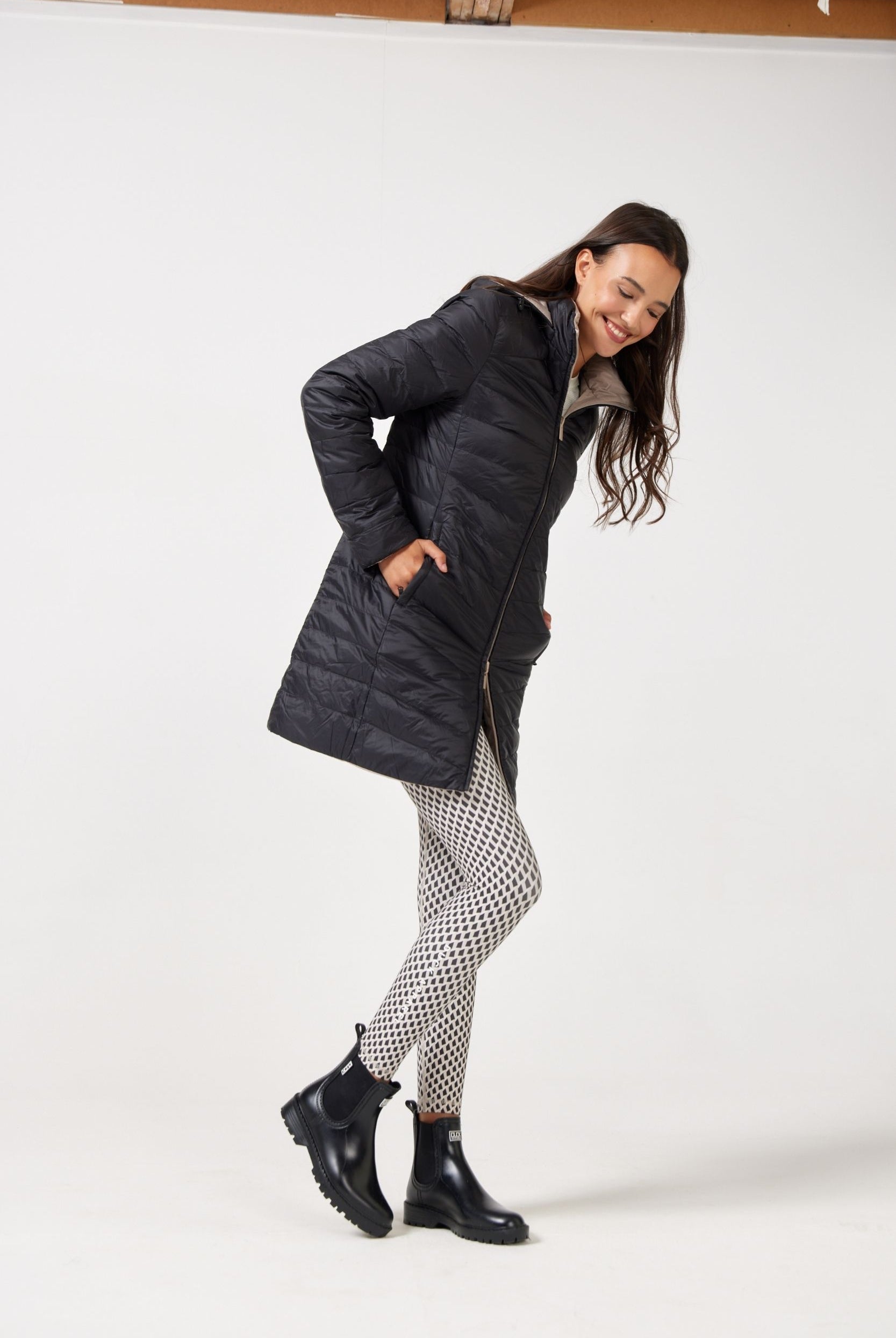
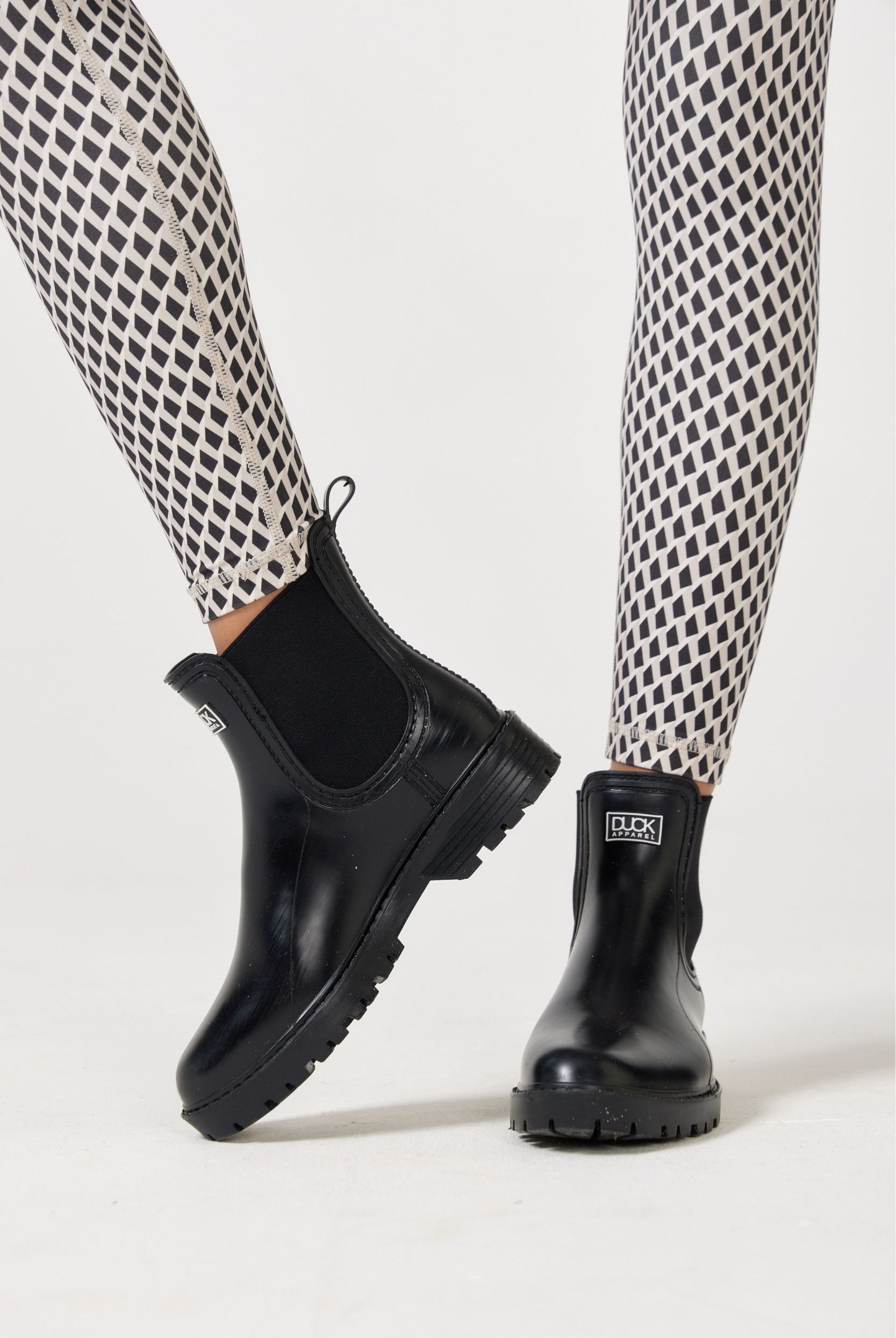
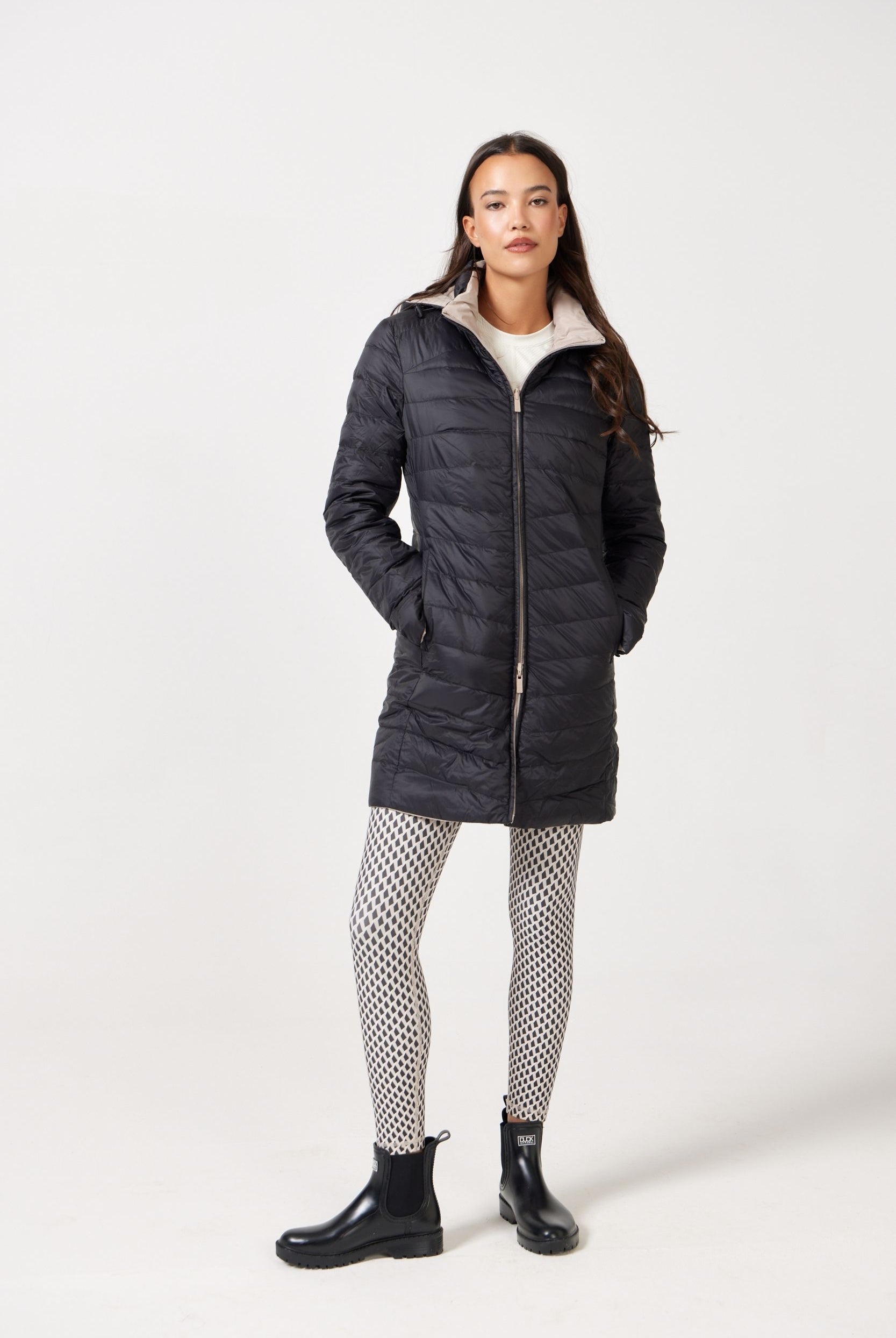
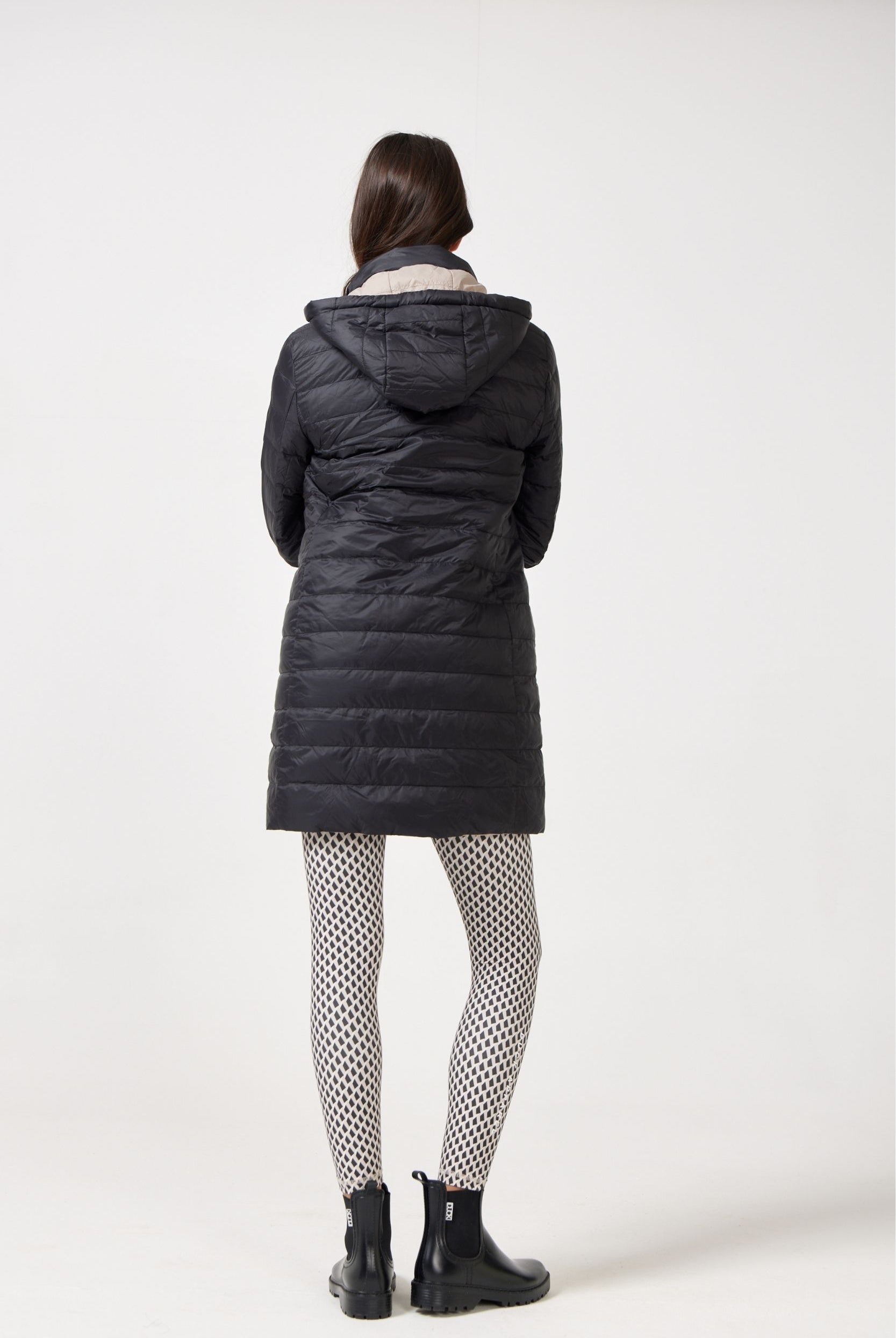
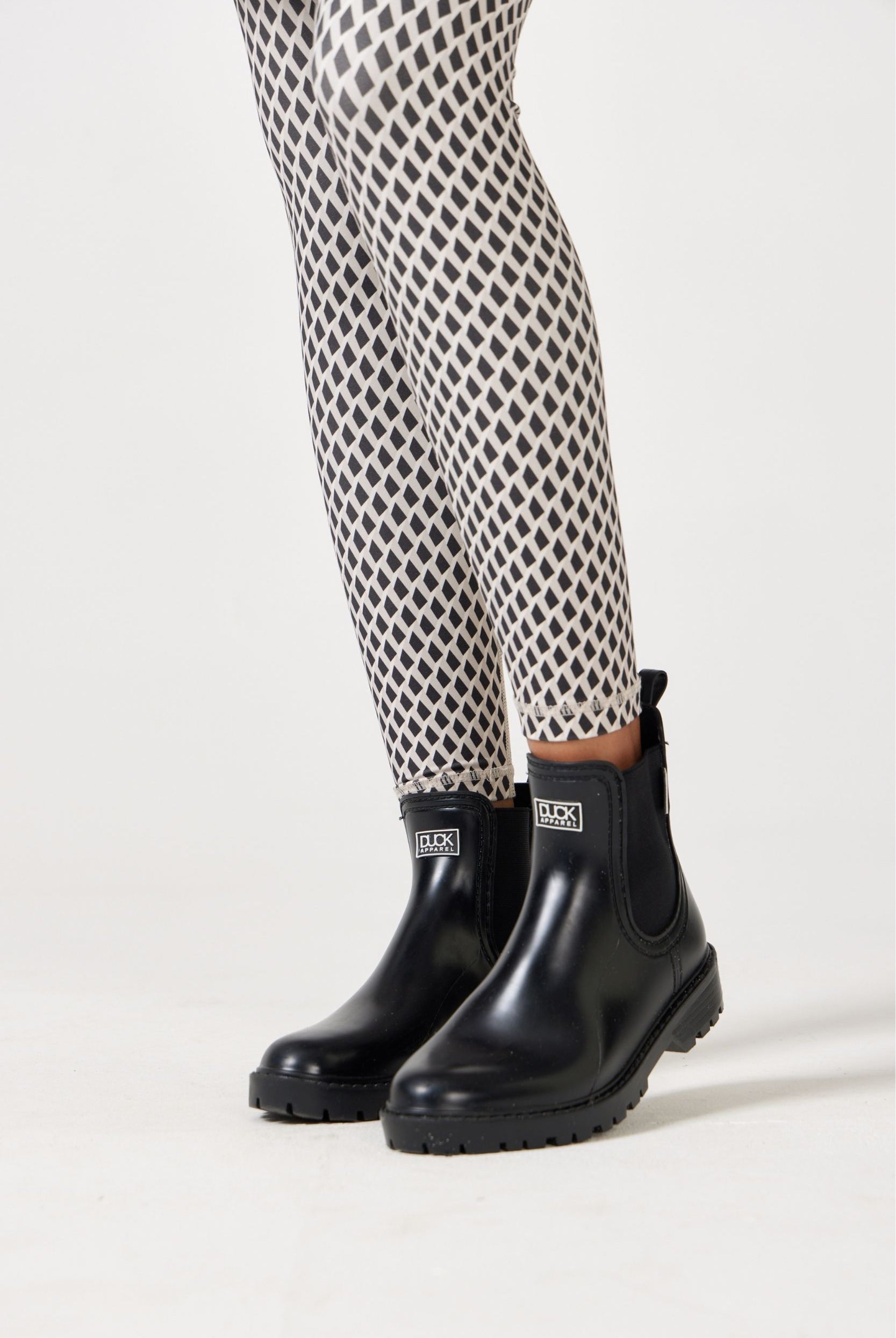
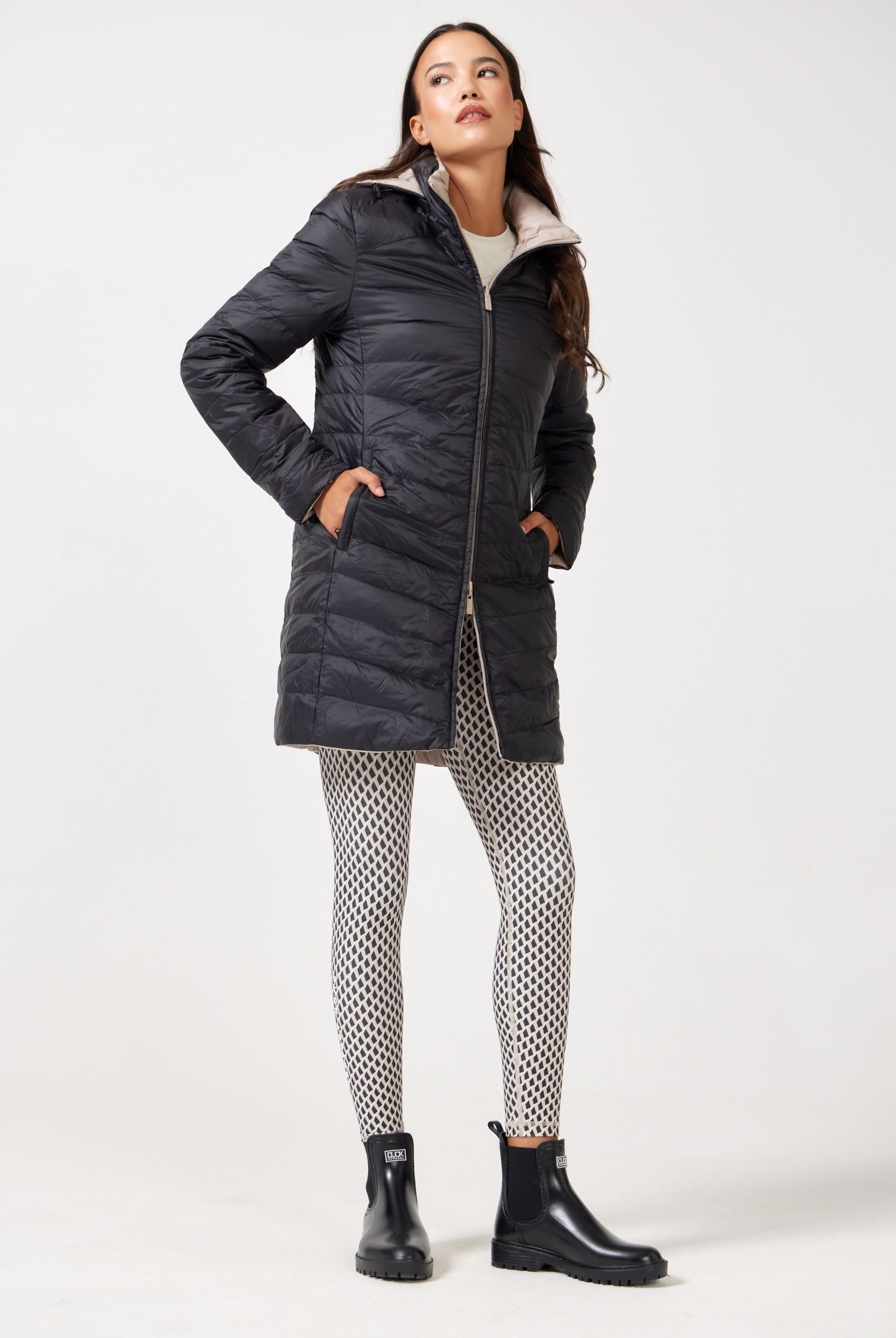
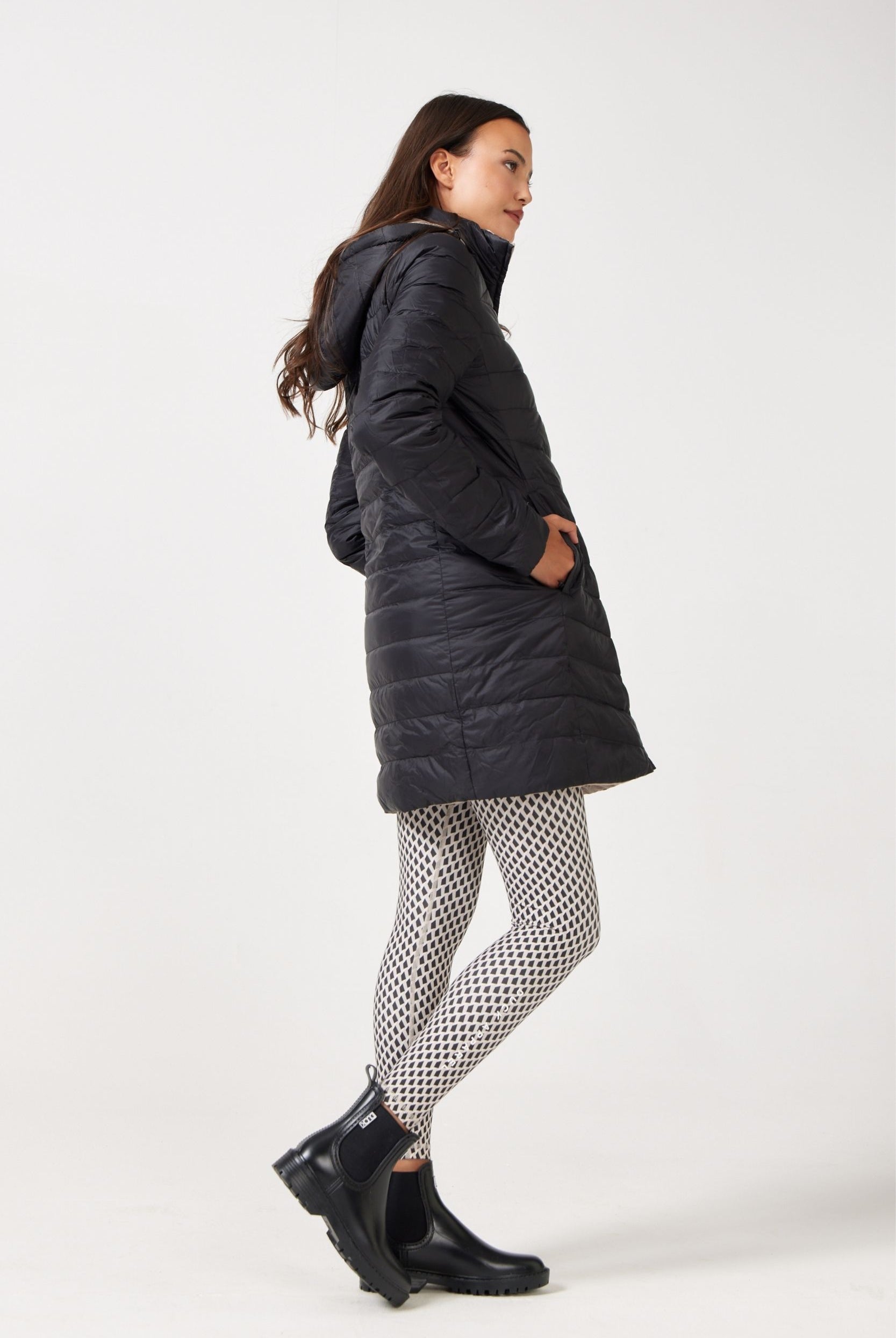
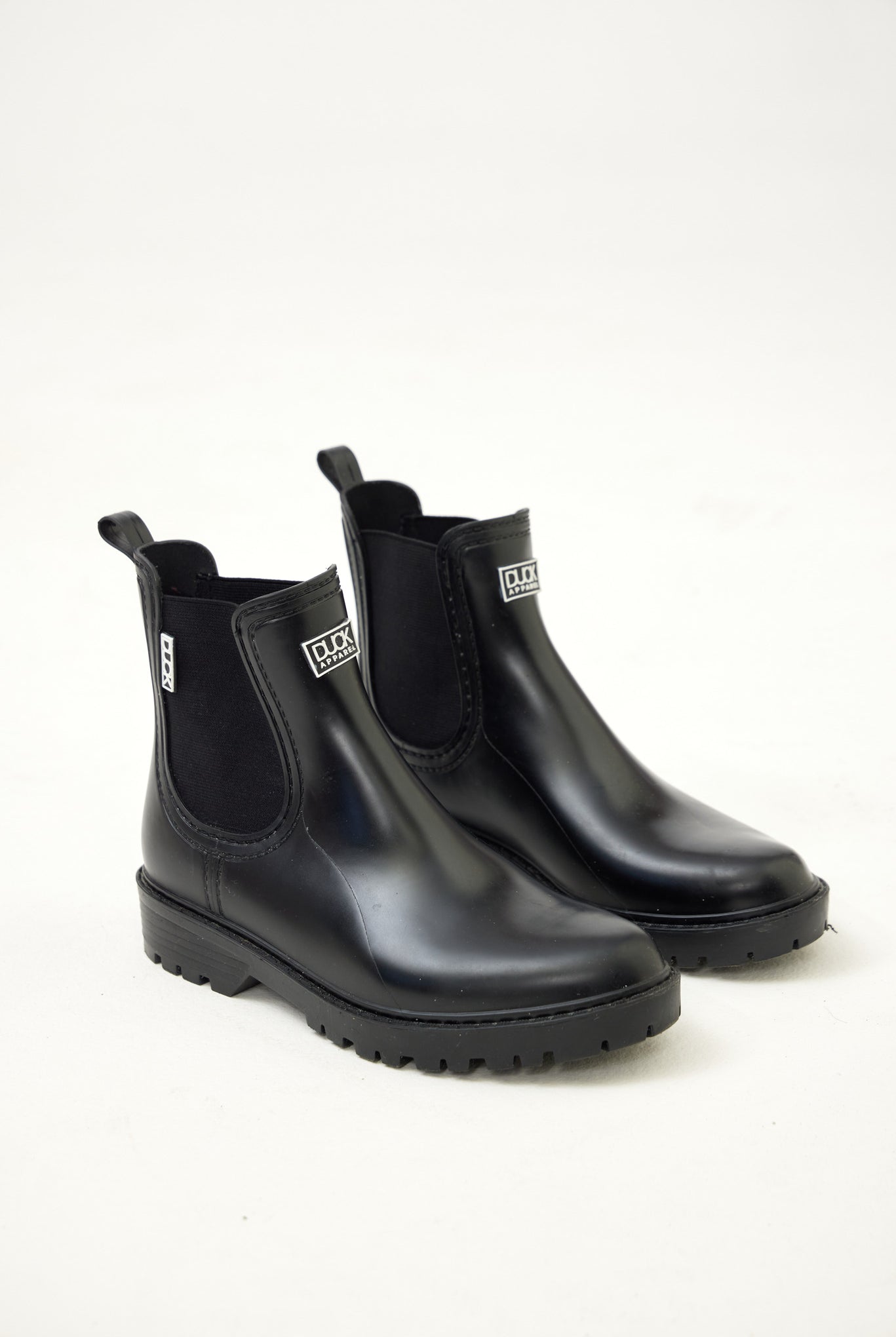
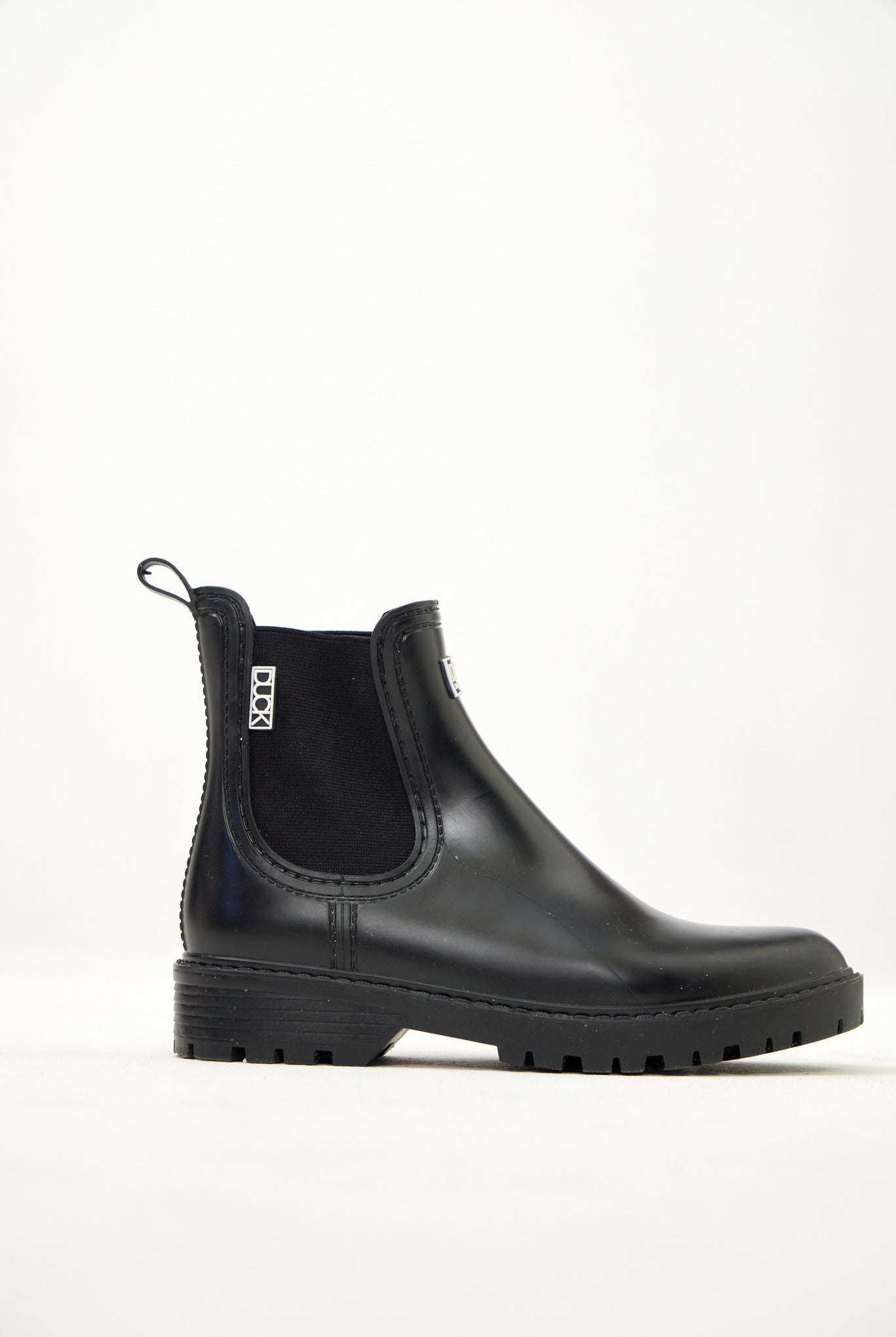
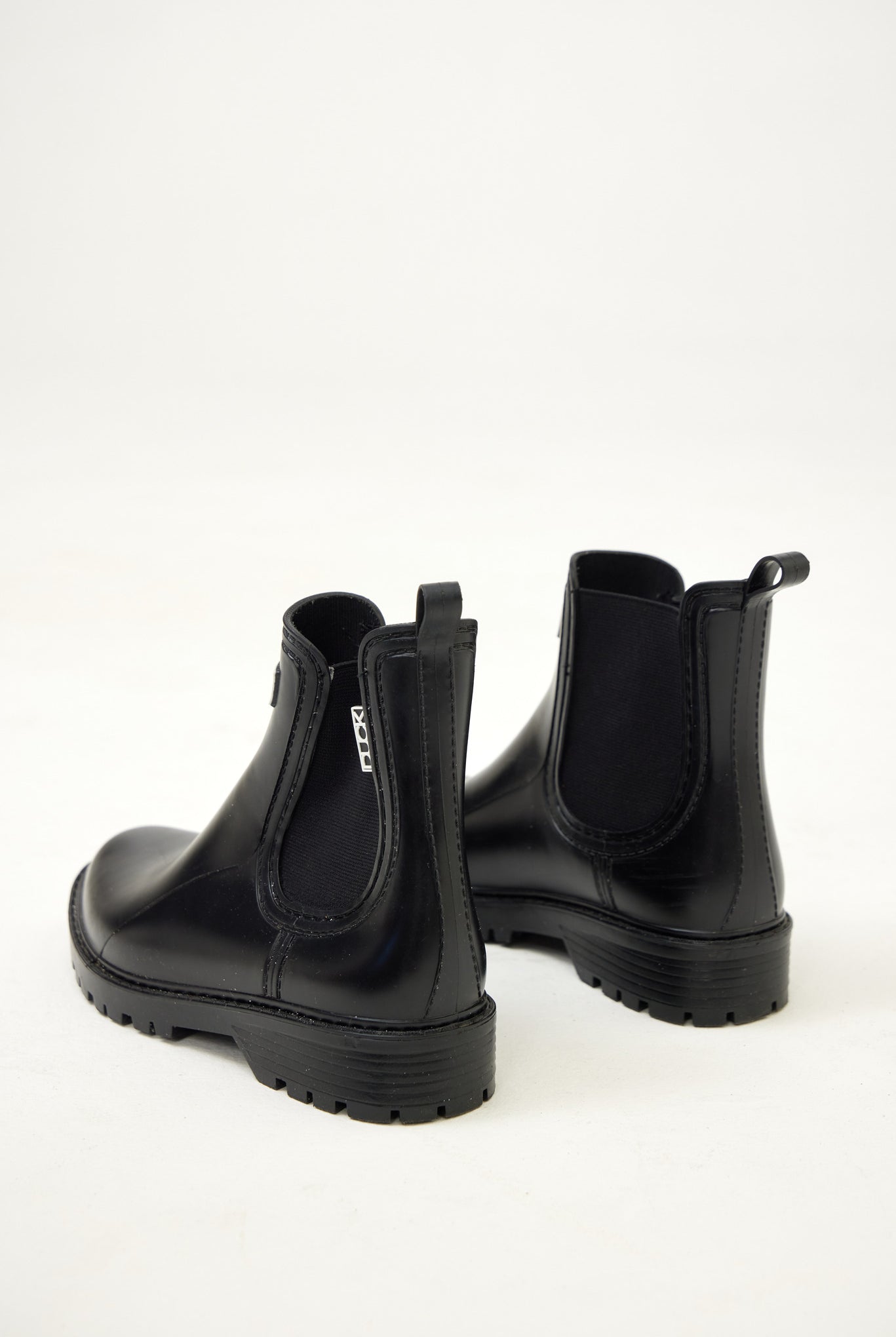
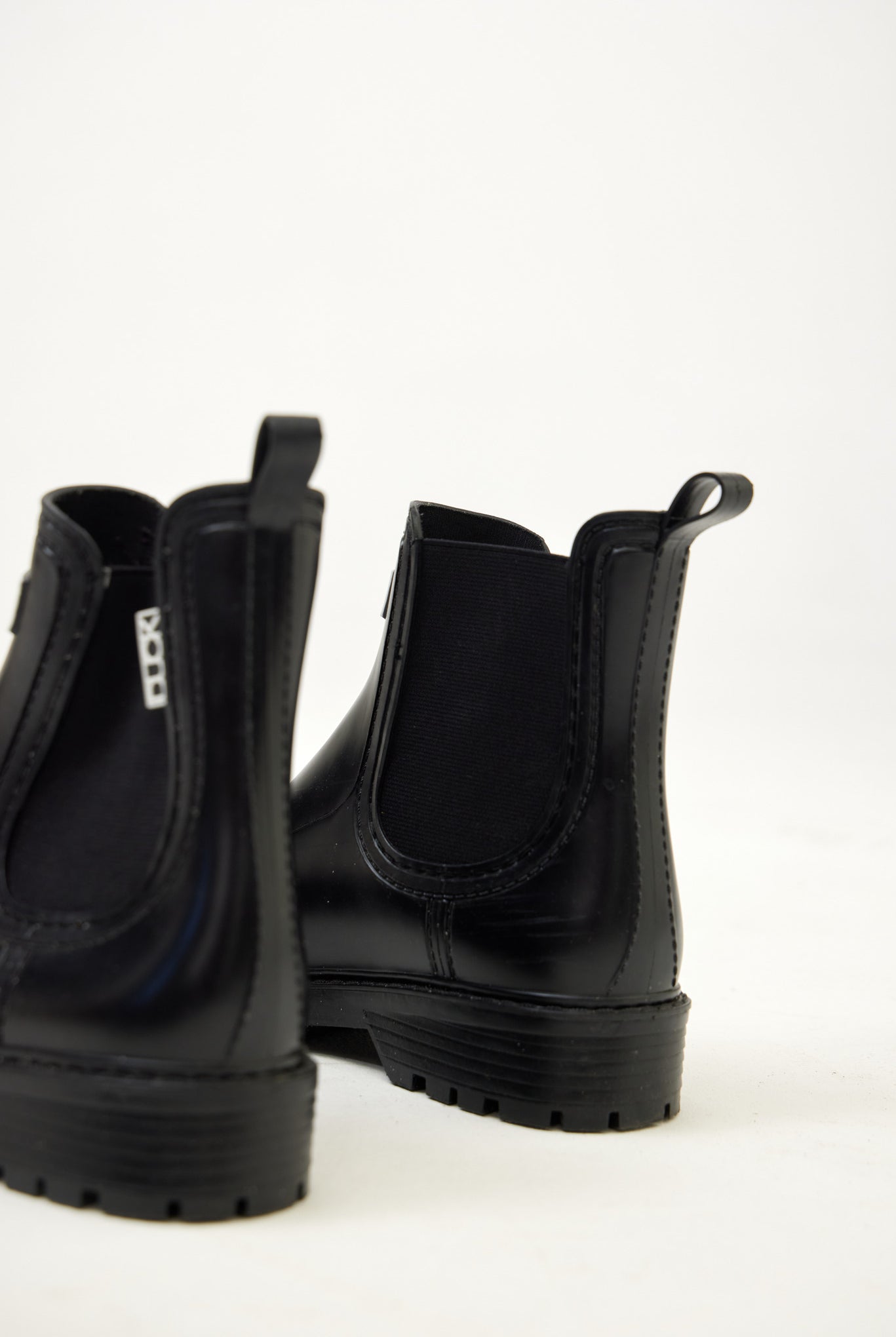
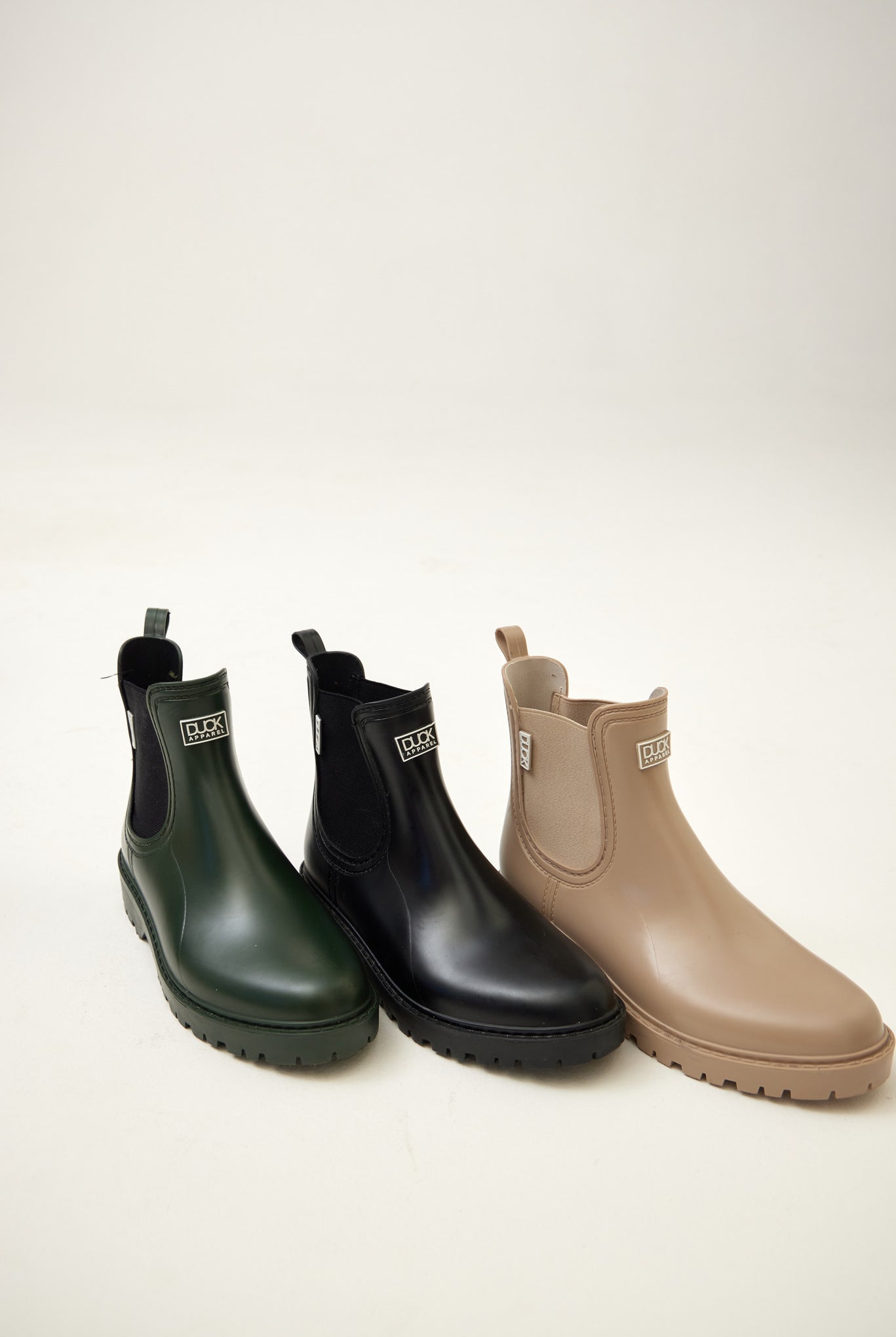
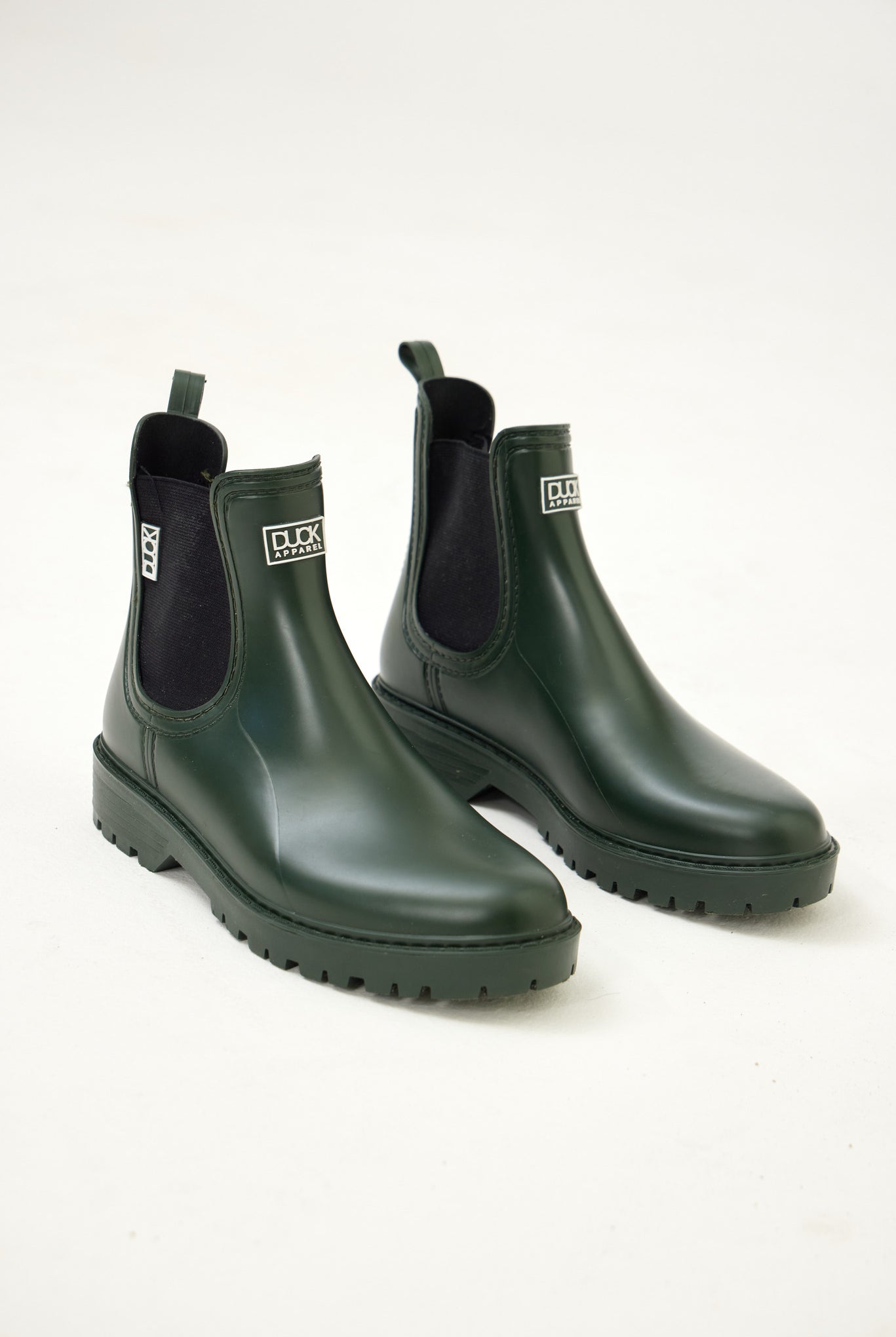
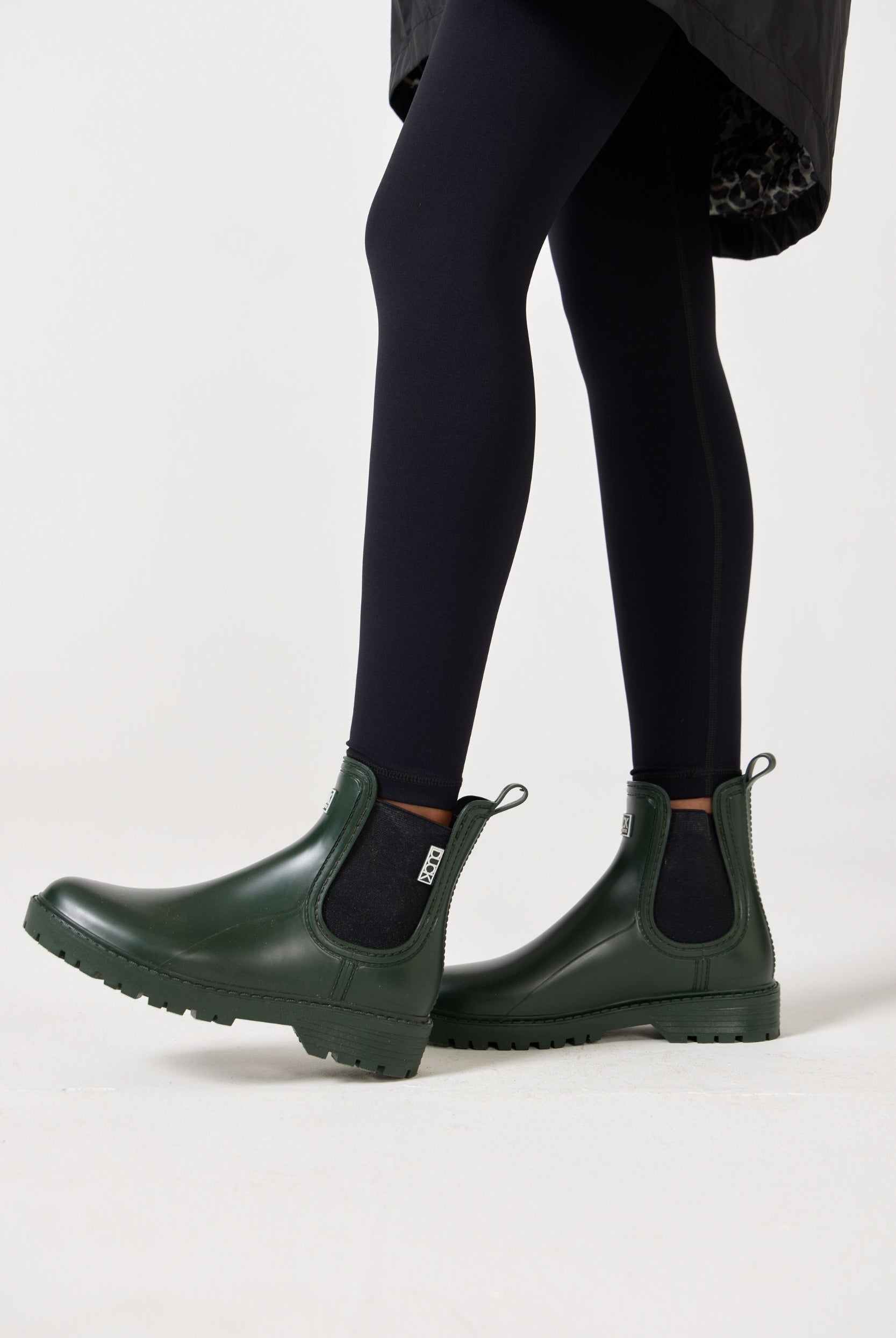
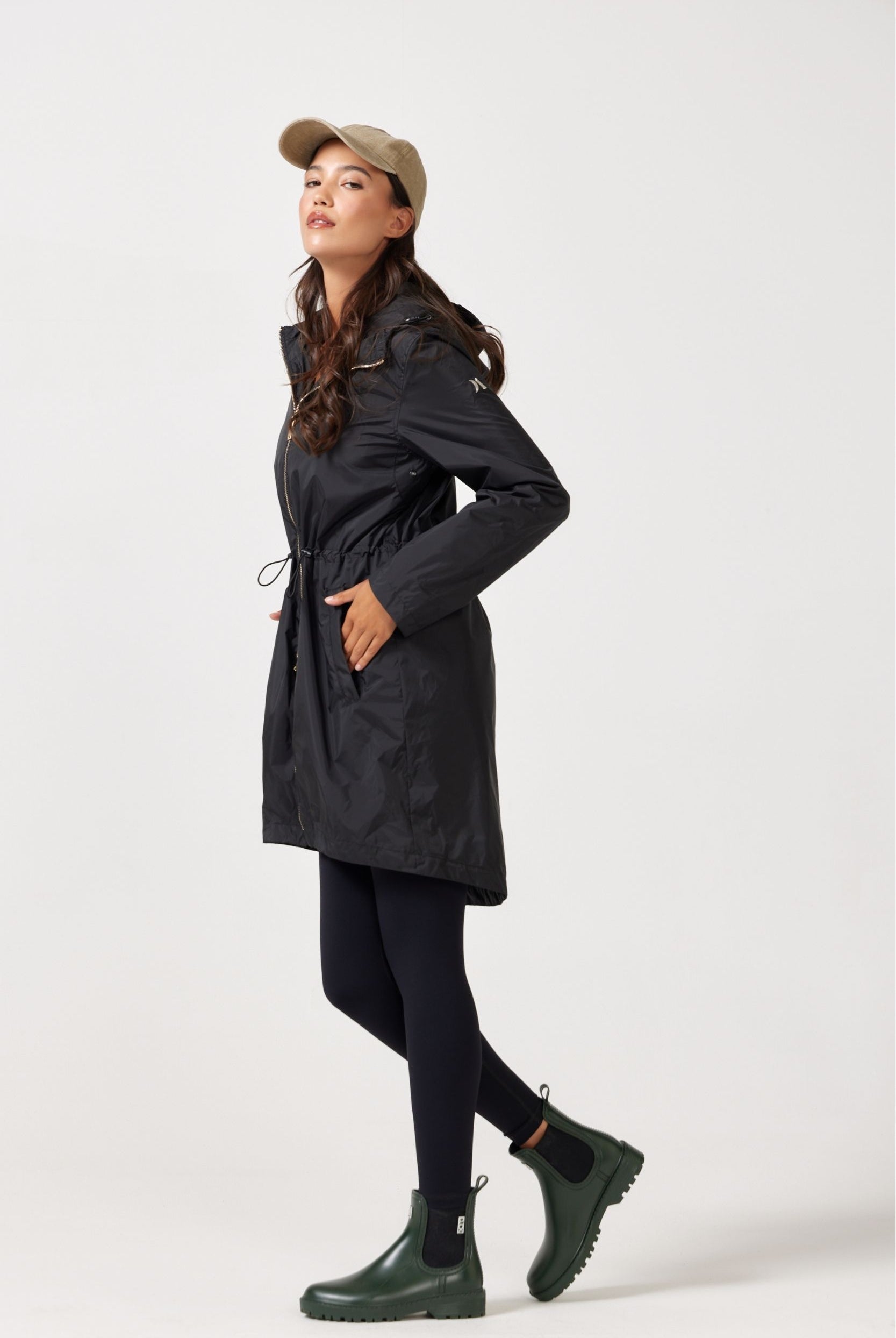
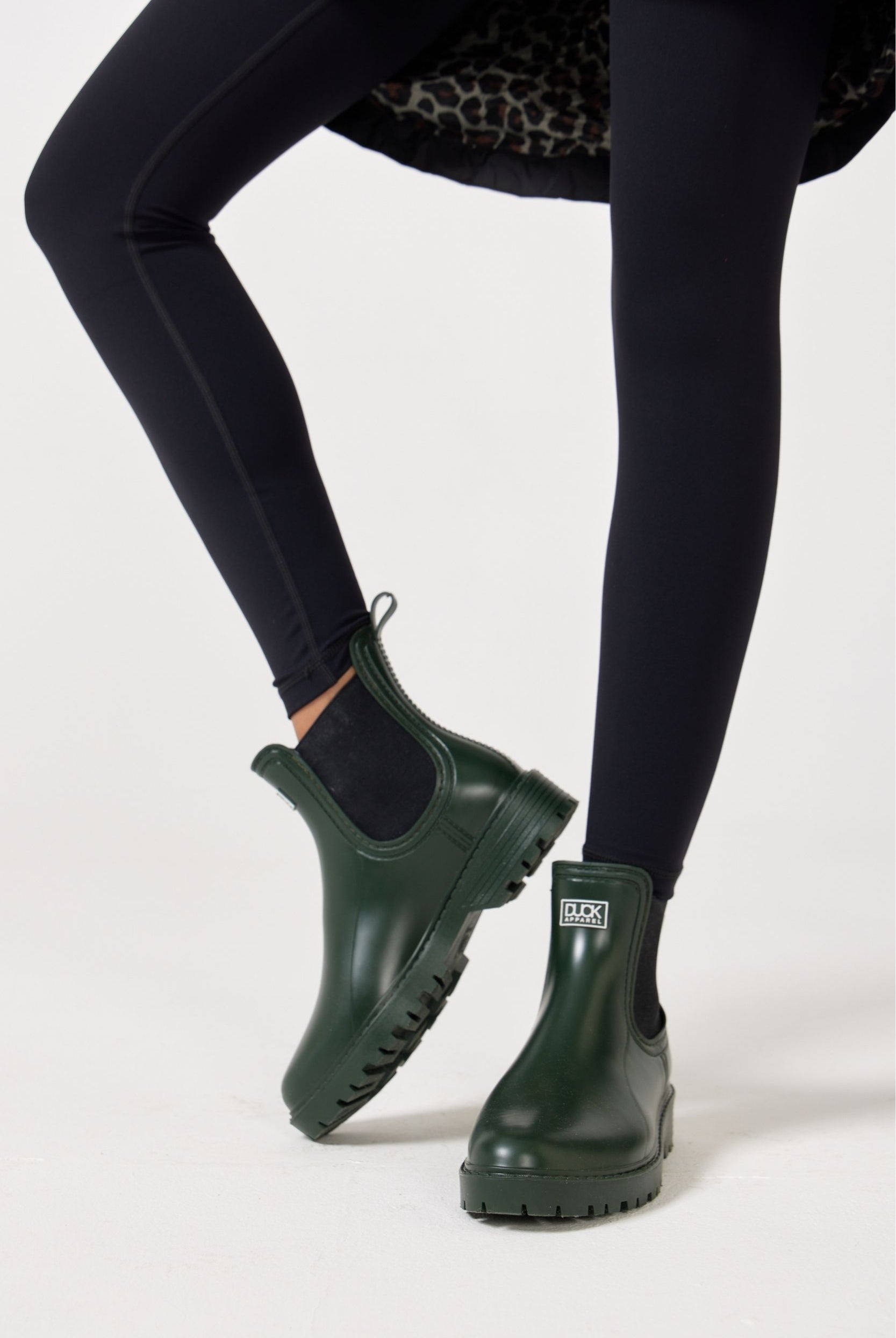
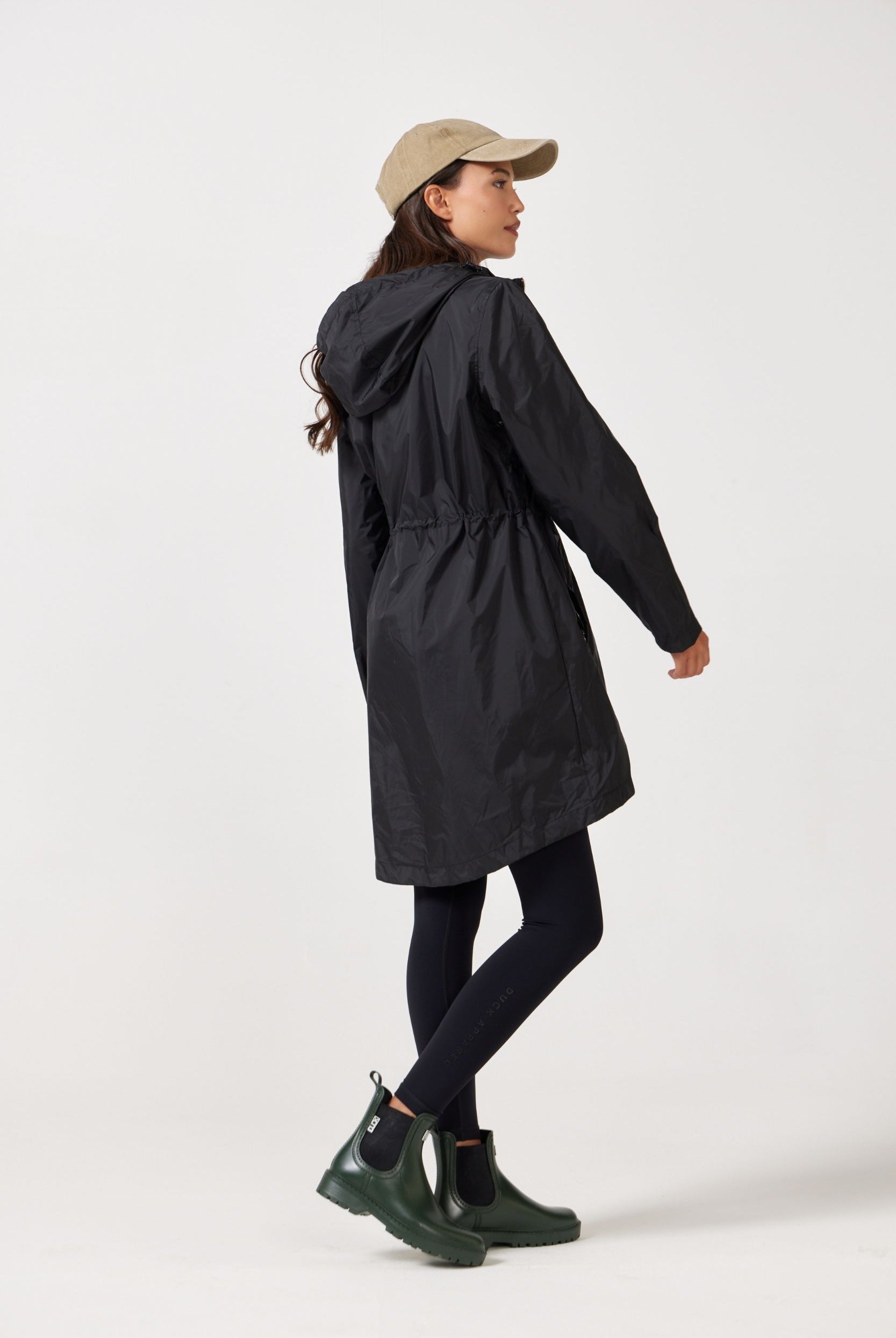
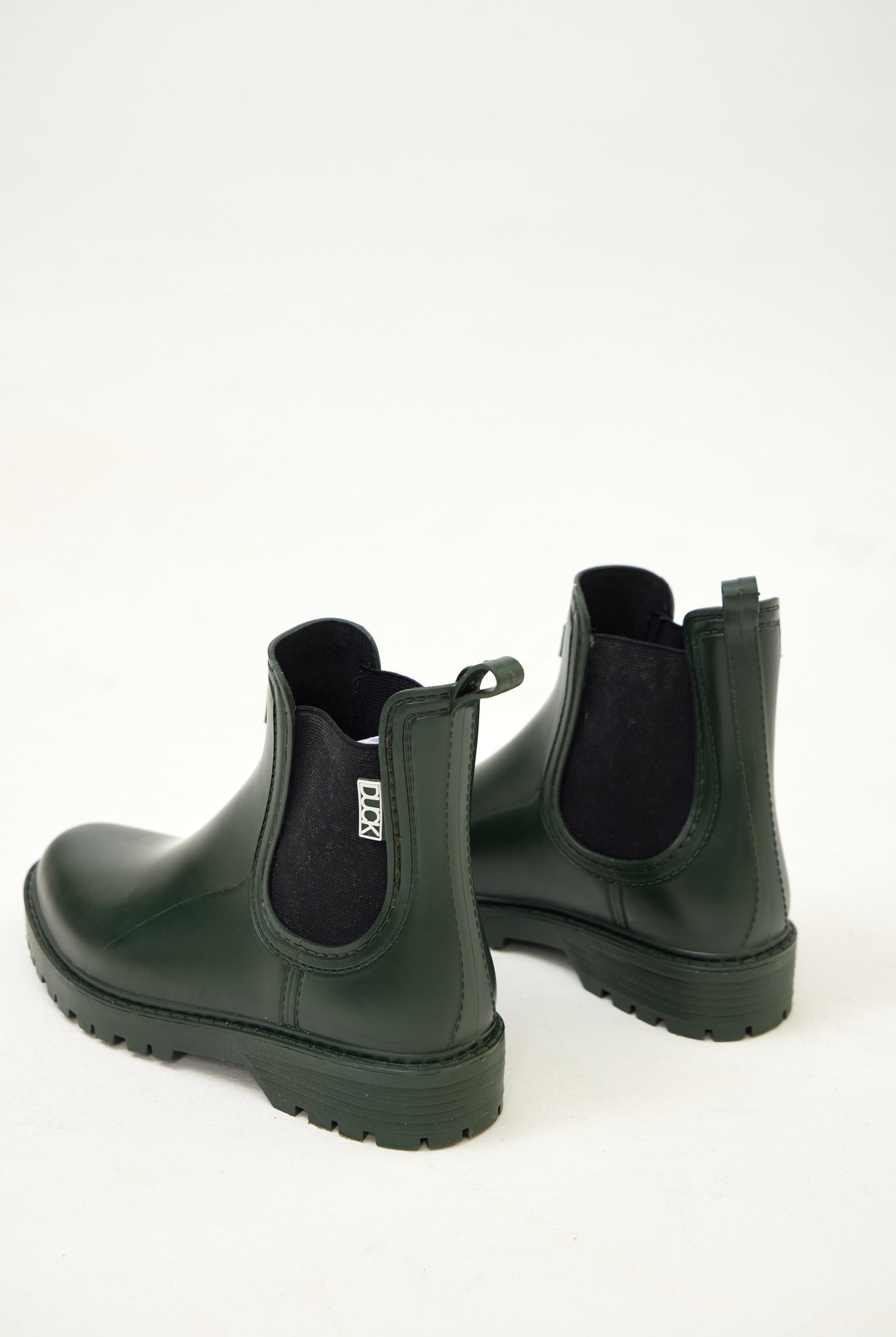
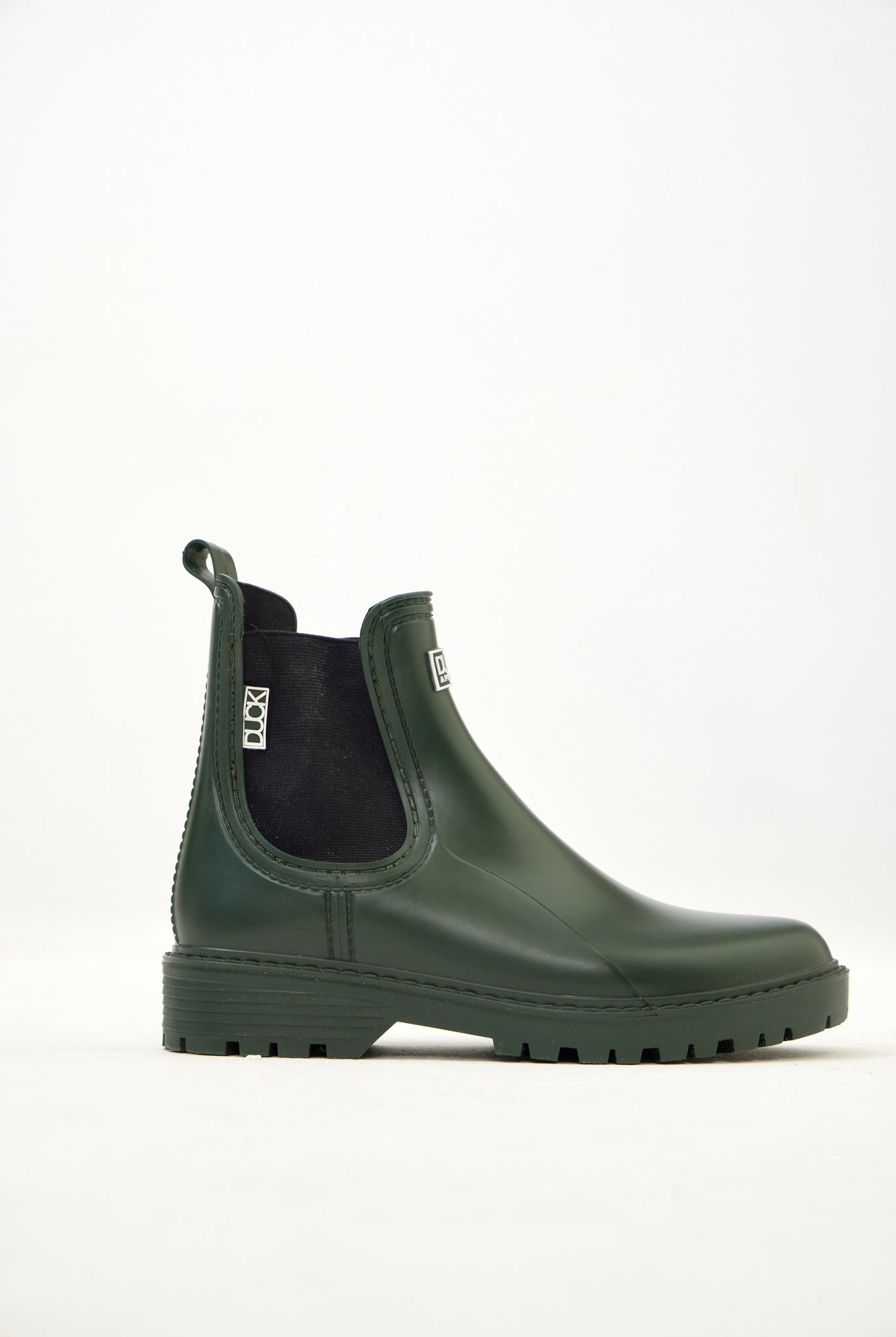
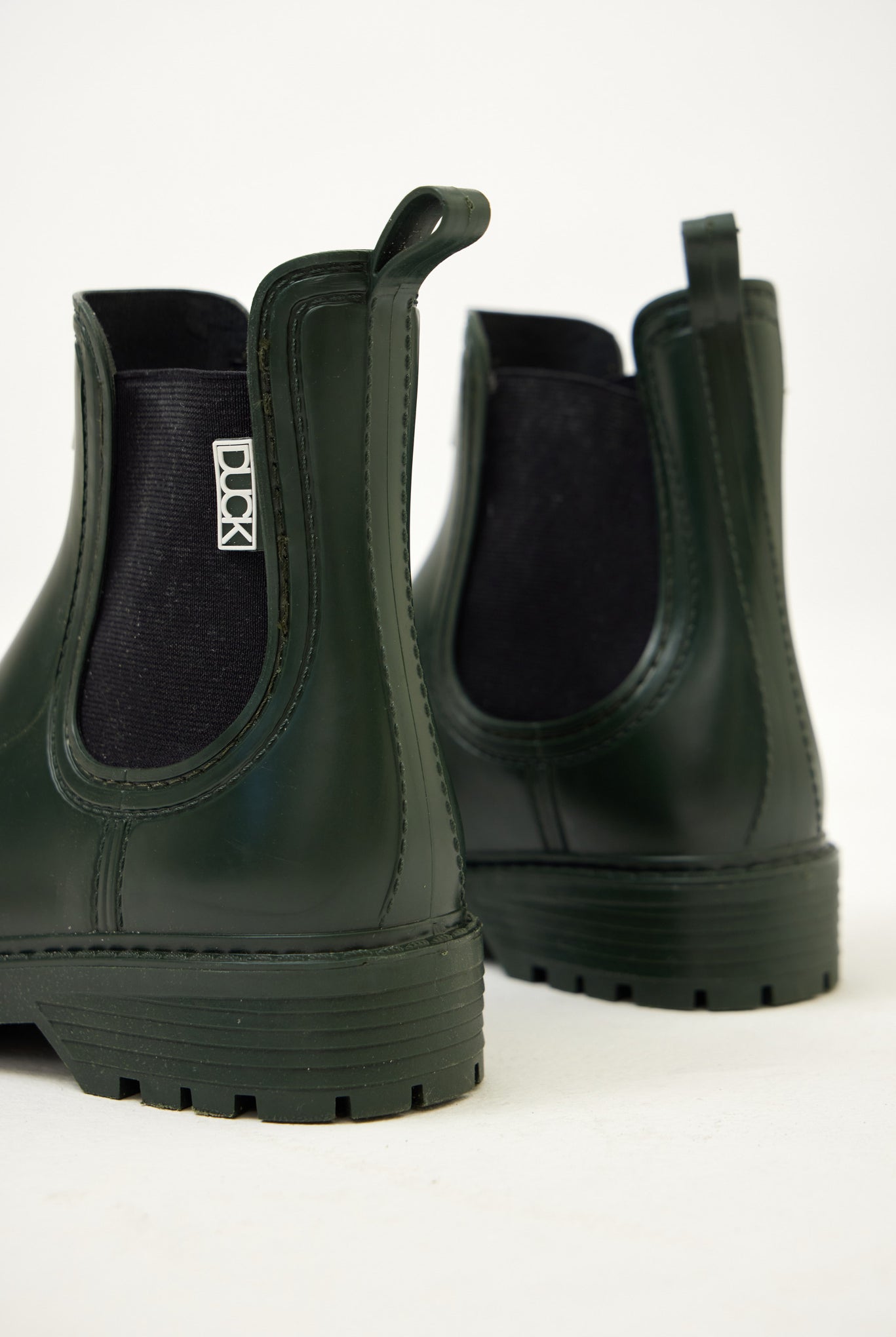
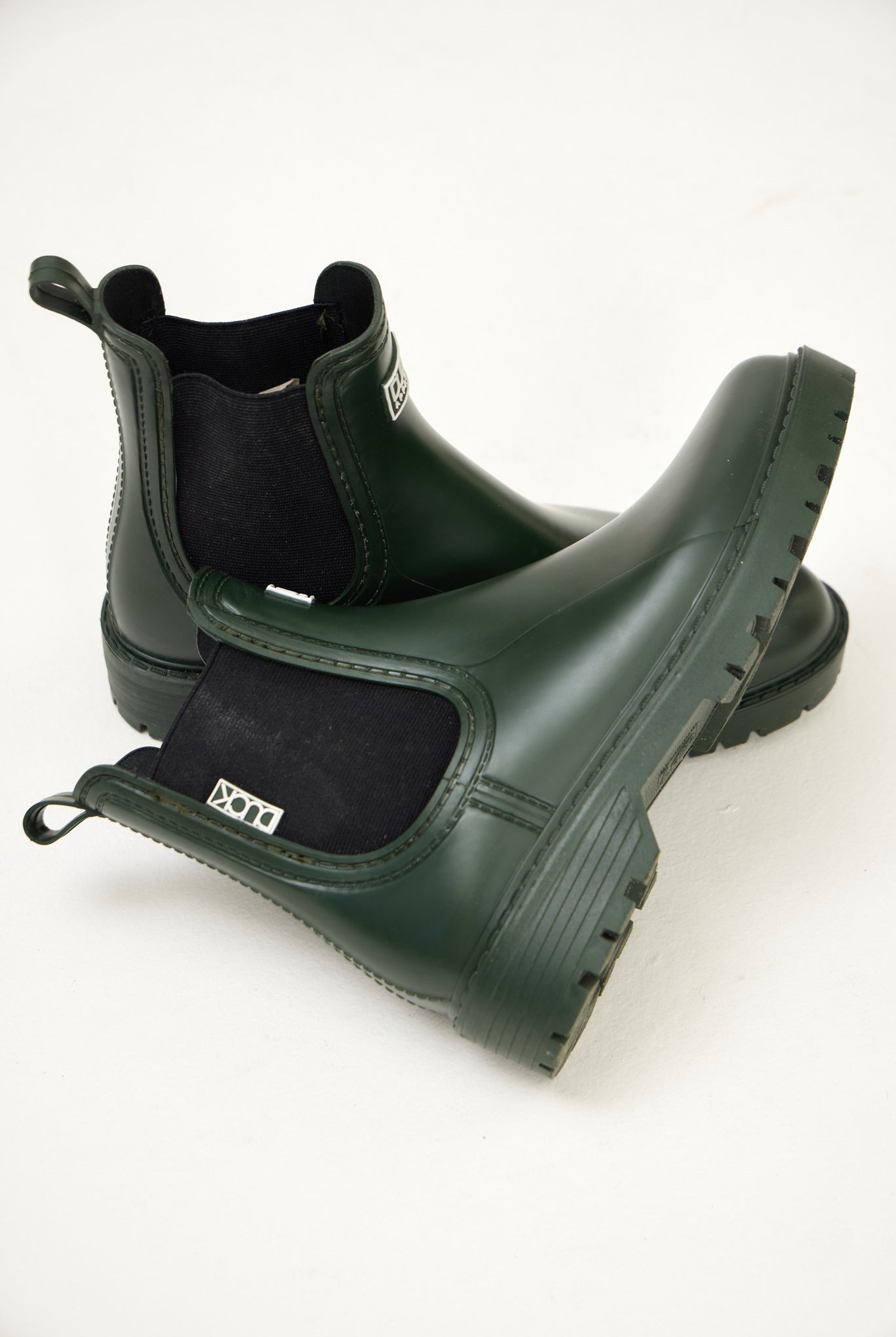
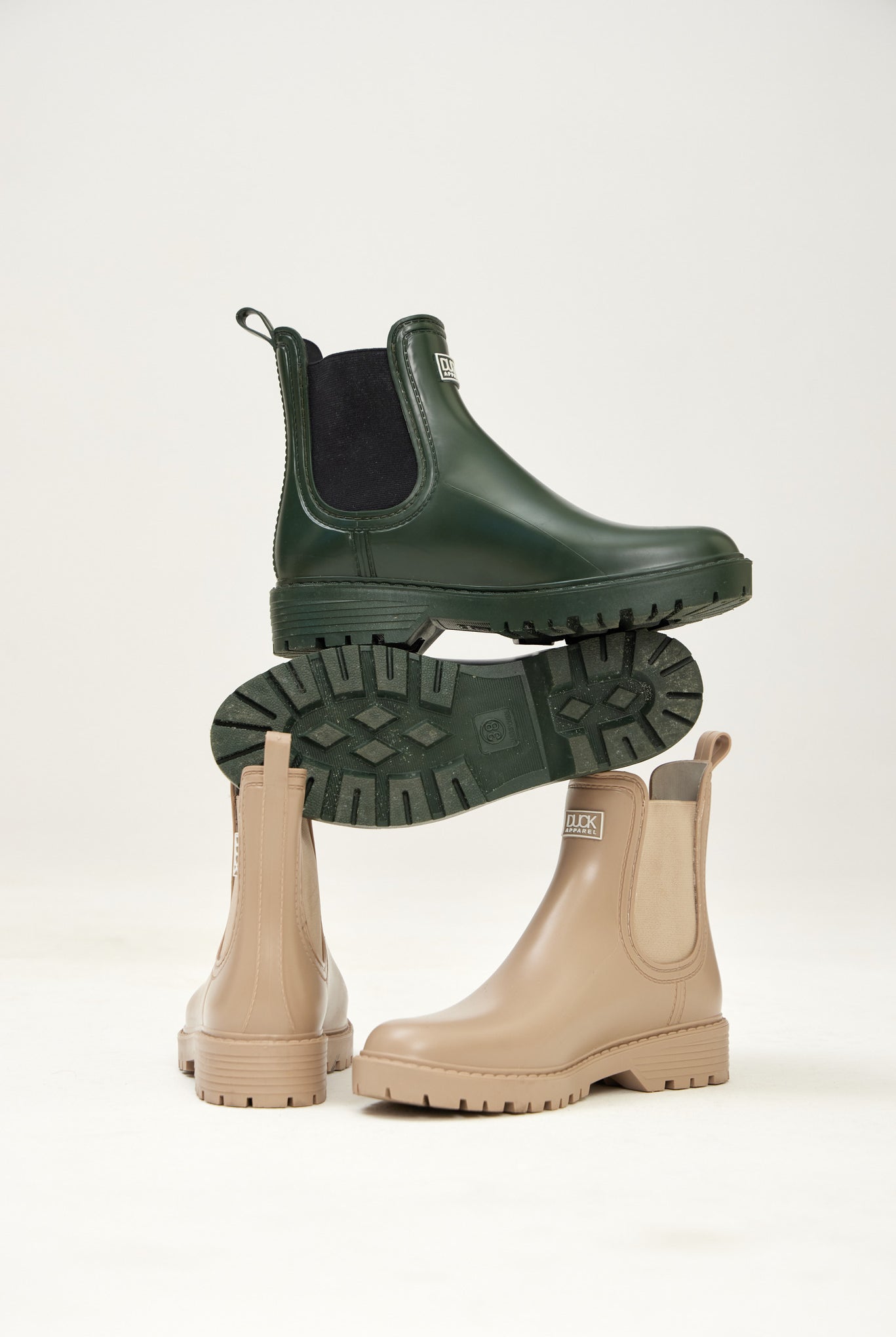
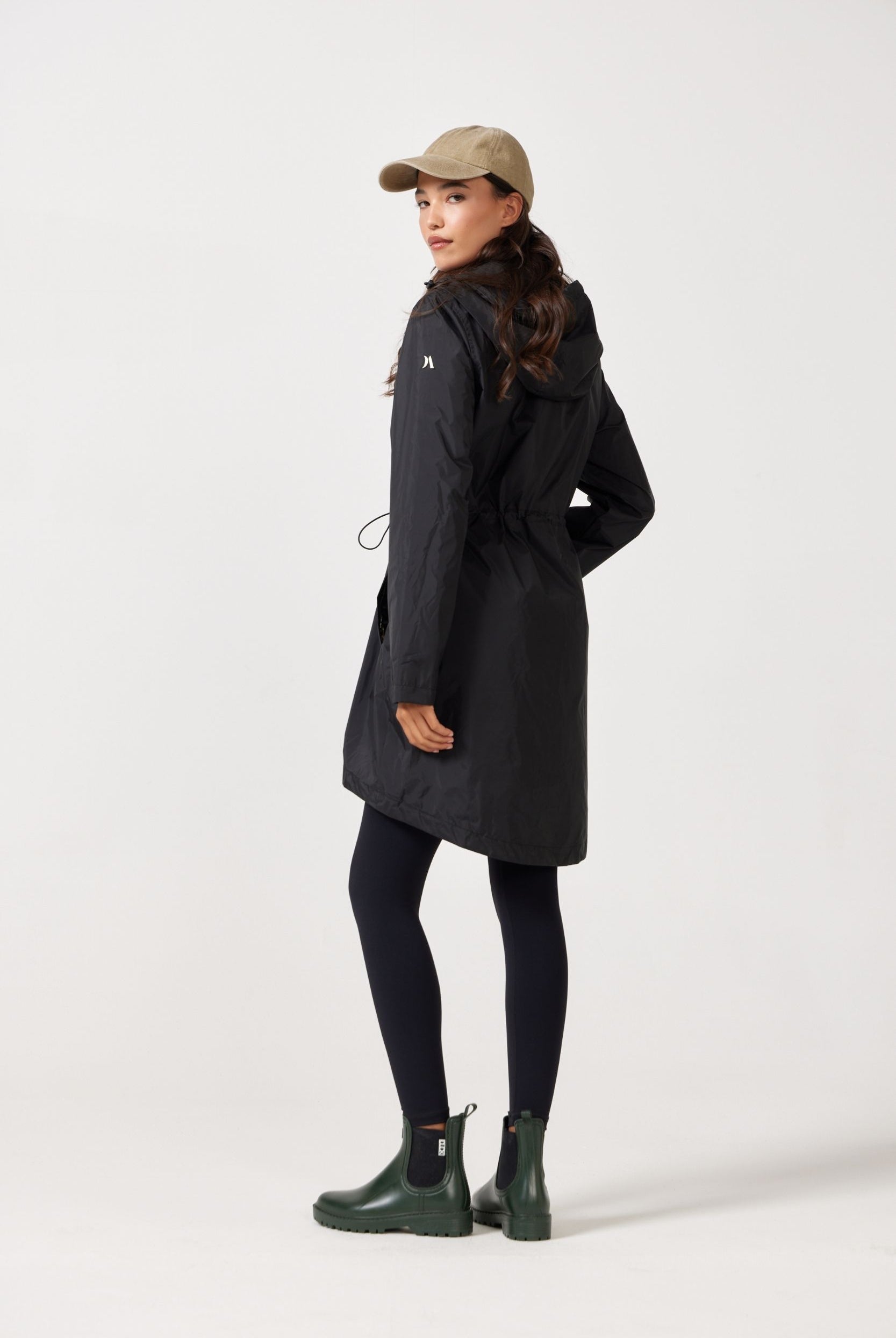
The Duck Apparel boots collection in Australia is built around rain boots, including the Biscuit Rain Boots, the Ink Rain Boots and the Ivy Rain Boots. Rain boots are the pull on, water shedding half of a wet weather outfit, and they solve the problem a good coat cannot solve, which is standing in puddles, wet grass and gutter runoff. This page covers what the boots are for, how the three colours differ in practice, how they handle genuinely cold conditions, and how to pick a pair as a gift.
What does the boots collection cover?

Duck Apparel groups its rain boots here rather than spreading them through the clothing collections, so the page works as one place to compare colour and use. A rain boot is a sealed, pull on style with a flat sole, which means no laces to soak and nothing to untie at the door. The intended use is everyday wet weather in Australia, so school runs in the rain, markets, muddy sport sidelines, dog walks, coastal weekends and the wet season in the north. They also earn their keep in the garden and around a paddock, where ordinary shoes are ruined in one afternoon.

The season that matters most for rain boots depends on where you live. In Melbourne, Hobart and Canberra they are a winter and shoulder season item, from about April through to October, when cold rain sits around for days. In Sydney and Brisbane the heavy rain often arrives in summer storms instead, so the same boot is a December to March item. Either way, a rain boot is chosen for water rather than warmth.

Biscuit, Ink or Ivy?

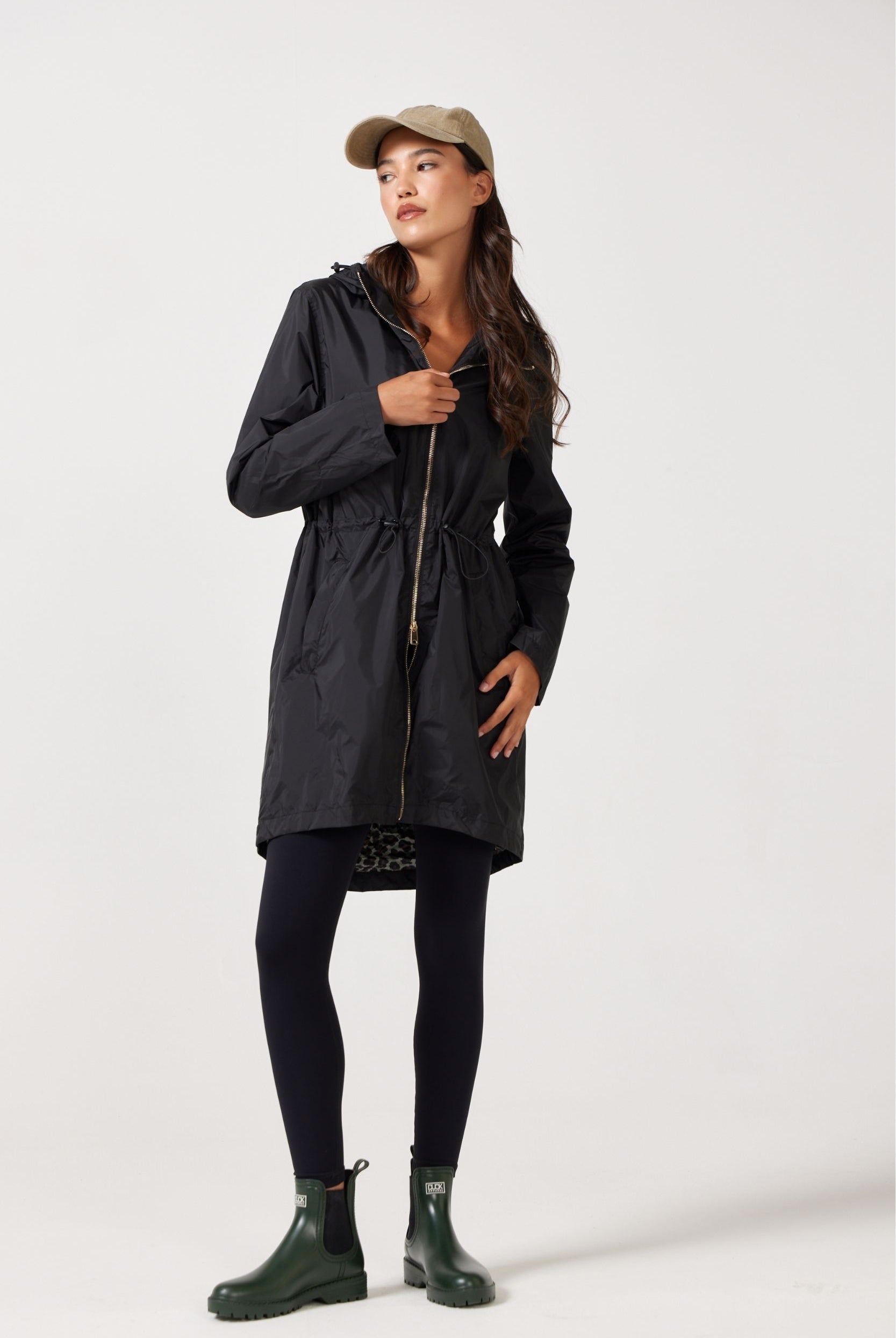
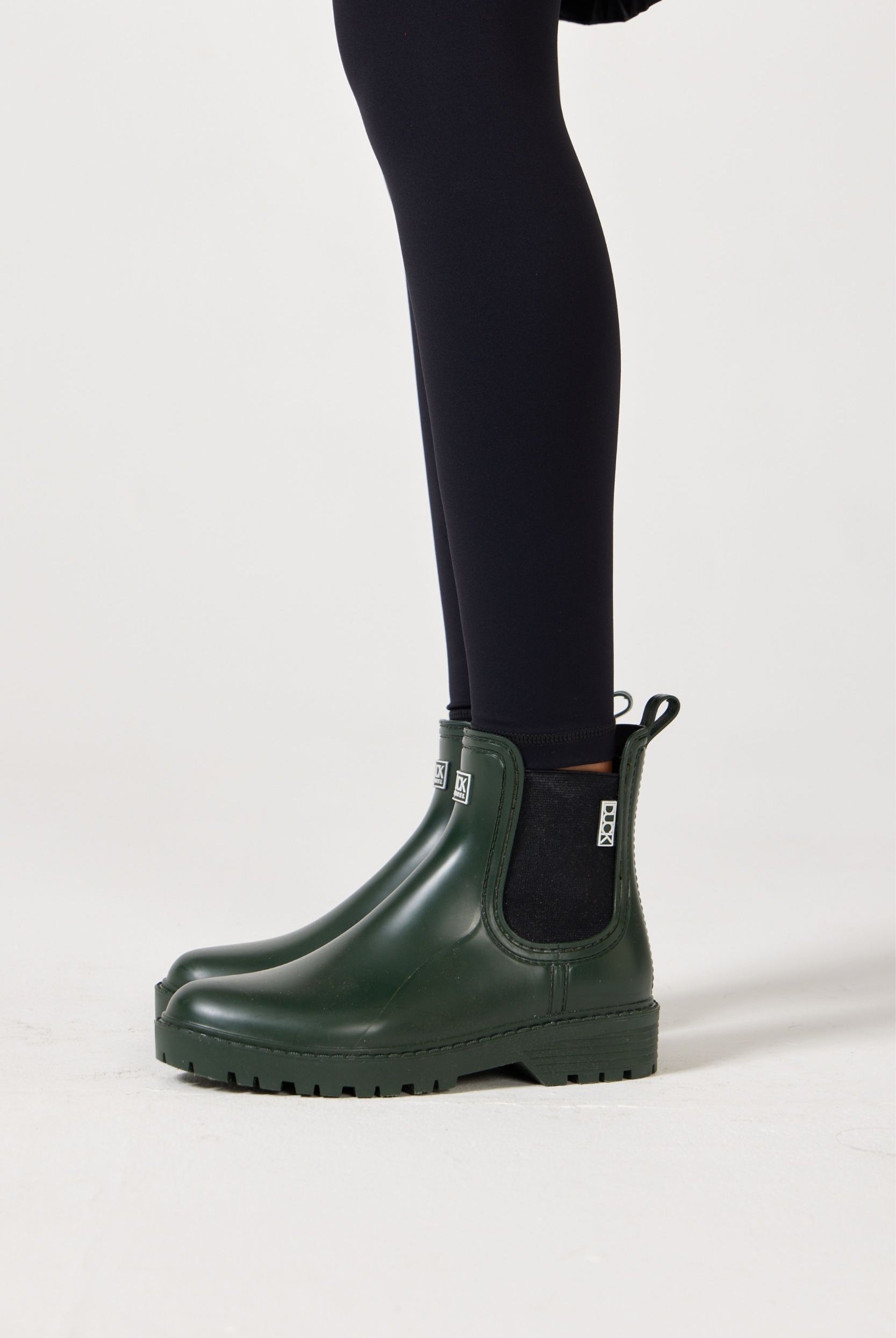
The three colourways differ in how much dirt they show and how easily they match the rest of a wet weather outfit. Ink is the darkest of the three, so mud and splash marks are least visible, which makes it the safest choice for daily commuting and for anyone who wears mostly black and navy. Biscuit is the warmest toned option and reads as more casual, which suits weekends, markets and coastal trips. Ivy is the option that adds colour without going bright, and it sits comfortably with olive, tan and denim. If you only want one pair for everything, Ink hides the most.
Are rain boots enough for cold weather?

Rain boots keep water out, not cold out, so they are a rain solution rather than a snow solution. On a cold, wet morning in Tasmania or Canberra a thick wool sock changes the boot completely, and that is the cheapest upgrade available. For genuinely freezing conditions, the snow fields and the coldest alpine mornings, the layers that matter are on your body, which is why Duck Apparel keeps its warmest pieces together in the sub zero warmth range. Pair a rain boot with a warm sock and a properly insulated coat and you cover both problems.

Rain boots as a gift

Rain boots make a straightforward gift because they suit almost everyone, they are useful for years, and they do not require the recipient to have a particular taste in clothes. The main thing to get right is the size, so ask, and choose the darker colour if you are unsure of their wardrobe. Duck Apparel also sorts gift ideas by budget in Australia, with a gifts under $200 range for smaller presents and a gifts under $500 range when the occasion is bigger, such as a milestone birthday or a joint present from a family.

Frequently Asked Questions

What kind of boots does Duck Apparel sell in Australia?

Duck Apparel sells rain boots in Australia, currently listed as the Biscuit Rain Boots, the Ink Rain Boots and the Ivy Rain Boots. They are pull on wet weather boots made for everyday use rather than technical hiking or snow sports. The collection page is the place to compare the colours side by side.

Which rain boot colour is the most practical?

Ink is the most practical rain boot colour of the three because dark boots hide mud, dust and water marks between cleans. Biscuit suits people who want a softer, more casual look and do not mind wiping the boots down more often. Ivy sits between the two and works well with olive, tan and denim.

Are rain boots warm in winter?

Rain boots are waterproof rather than insulating, so warmth in winter comes from the sock you wear inside them. A thick wool or wool blend sock is enough for most winter mornings in Melbourne, Hobart or Canberra. For very cold days, keep the boot for wet ground and rely on a warm coat and a heavier sock rather than expecting the boot itself to insulate.

Can you wear rain boots every day?

Rain boots suit daily wear through a wet season, and they are most comfortable when the fit allows for a thicker sock and a little movement at the heel. They are best kept for wet or muddy conditions rather than long walks on hot, dry days, because a sealed boot does not breathe like a shoe. Letting them air out after use keeps them fresher.

How should rain boots fit?

A rain boot should fit with a small amount of room for a thick sock, without so much space that your heel lifts with every step. Because rain boots are pull on with no laces, the calf opening and the length matter more than fine width adjustments. If you sit between two sizes and plan to wear wool socks, most people are better off going up.

Are rain boots a good gift?

Rain boots are a good gift because they are useful, easy to match to any wardrobe and hard to already own two of. The one detail to confirm first is shoe size. A neutral colour such as Ink is the safest choice when you do not know the recipient's style well.

How do you look after rain boots?

Rinse rain boots with clean water after mud or salt water, then let them dry away from direct heat and strong sun. Storing them upright rather than folded over protects the shape over time. Follow the care advice on the product page for anything more specific.